

Native Hands Wines
In 1976, in a blind tasting that became known around the world as the “Judgment of Paris,” California’s Napa Valley unseated France as the world’s preeminent wine producer. For much of the wine-drinking world, this was equivalent to California’s viticultural debut. But Chris Lobo, founder of Native Hands Wine, knows that California’s winemaking roots run far deeper into history, when his Native American ancestors worked the soil, cultivated vines, and created the very first vintage at California’s missions nearly 250 years ago.
Two sides of Lobo’s world — an active member of his tribal community personally and in the hospitality and beverage business professionally — remained completely separate for many years without much thought. He admits he didn’t really make any connection between the wines he sold and the wine room that he’d noticed on his visits to his local mission, Mission San Juan Capistrano. But within the past decade, “I started connecting the dots,” he says. “I was like, ‘Wait a second, there’s a history here that’s untold.’ It has to do with not only my family and my tribe, but all the Mission Indians, where their history has been never spoken of, and whatever little amount was written was just that the mission made wine, but never a word that the actual people who made the wine were the Indigenous population or labor force that was around those missions.”
Lobo says that while it’s general knowledge that Indigenous people built the missions, it’s assumed that the missionaries were the winemakers at the missions — and he says this is completely inaccurate. “They didn’t make any wine. The labor force did,” he says. Employing guidance from a text titled Obra de Agricultura, the missionaries educated the Indigenous people on agriculture and animal husbandry, as well as the European style of grapevine growing and European fermentation, as they established their missions from Mexico and into California. The combination of that education and the knowledge that the Indigenous people held of their own lands led to the planting of California’s first vines in San Juan Capistrano, not Napa Valley.
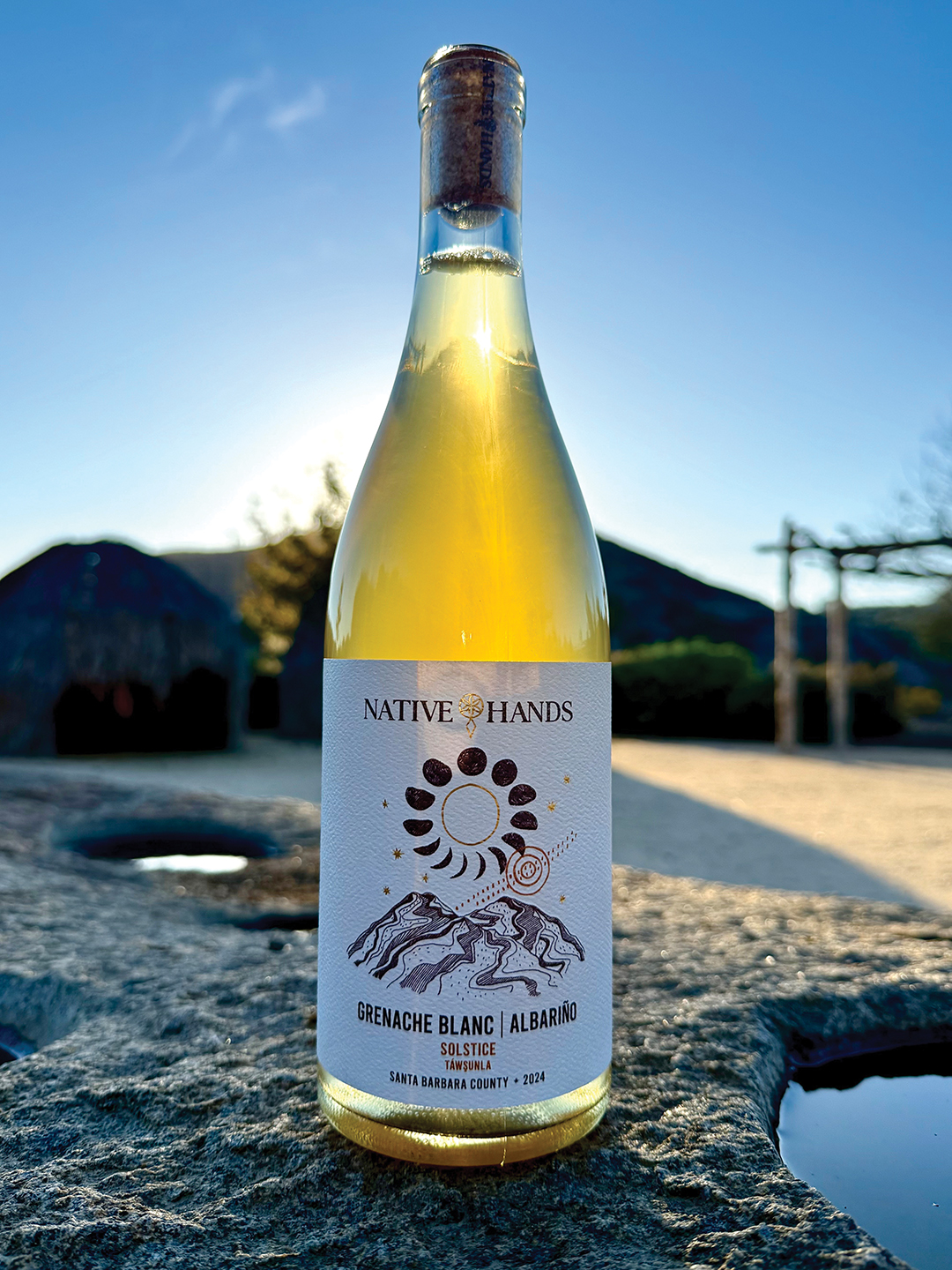
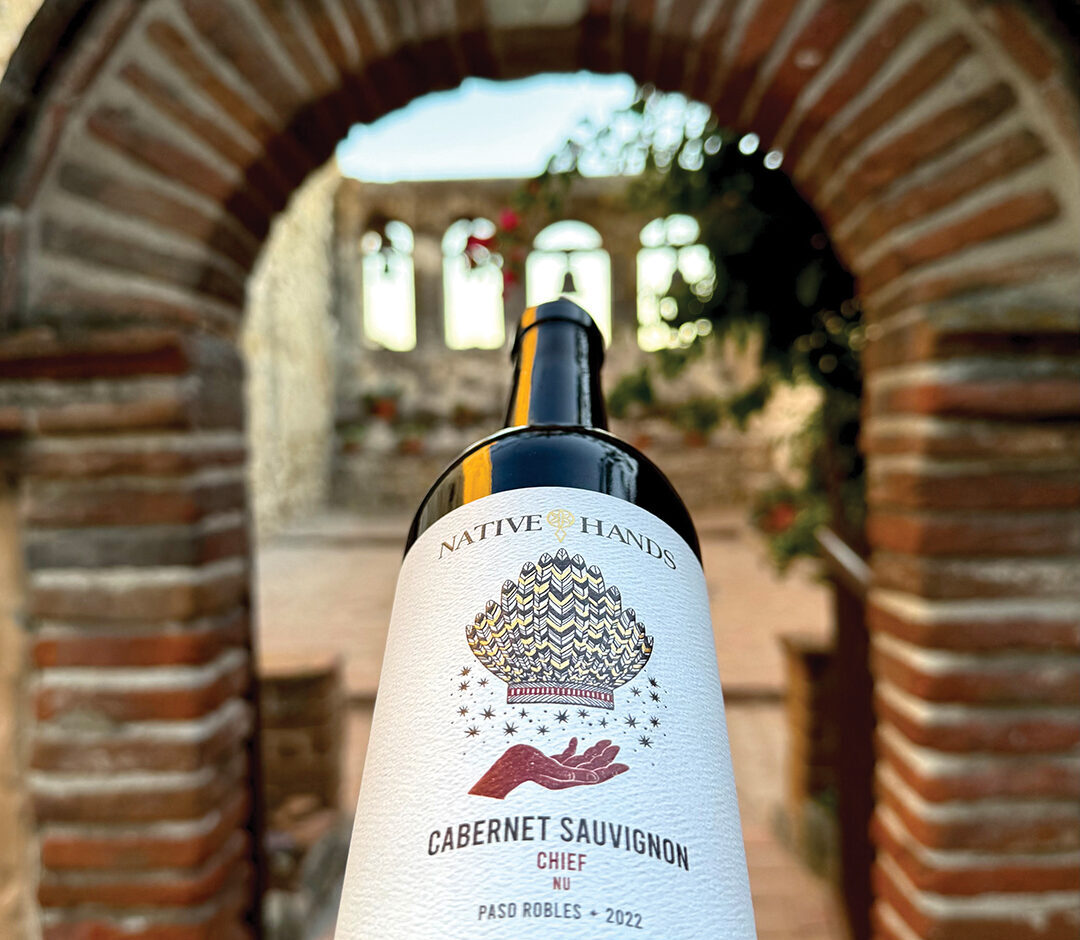
For Lobo, this revelation shined a new light on his place in the wine world, and ultimately brought his own two worlds together. He founded Native Hands Wine, and in July 2024, together with his winemaker partner, he introduced the label’s first bottle. The wine is crafted from three main AVAs on California’s Central Coast: Paso Robles, San Luis Obispo, and Santa Barbara.
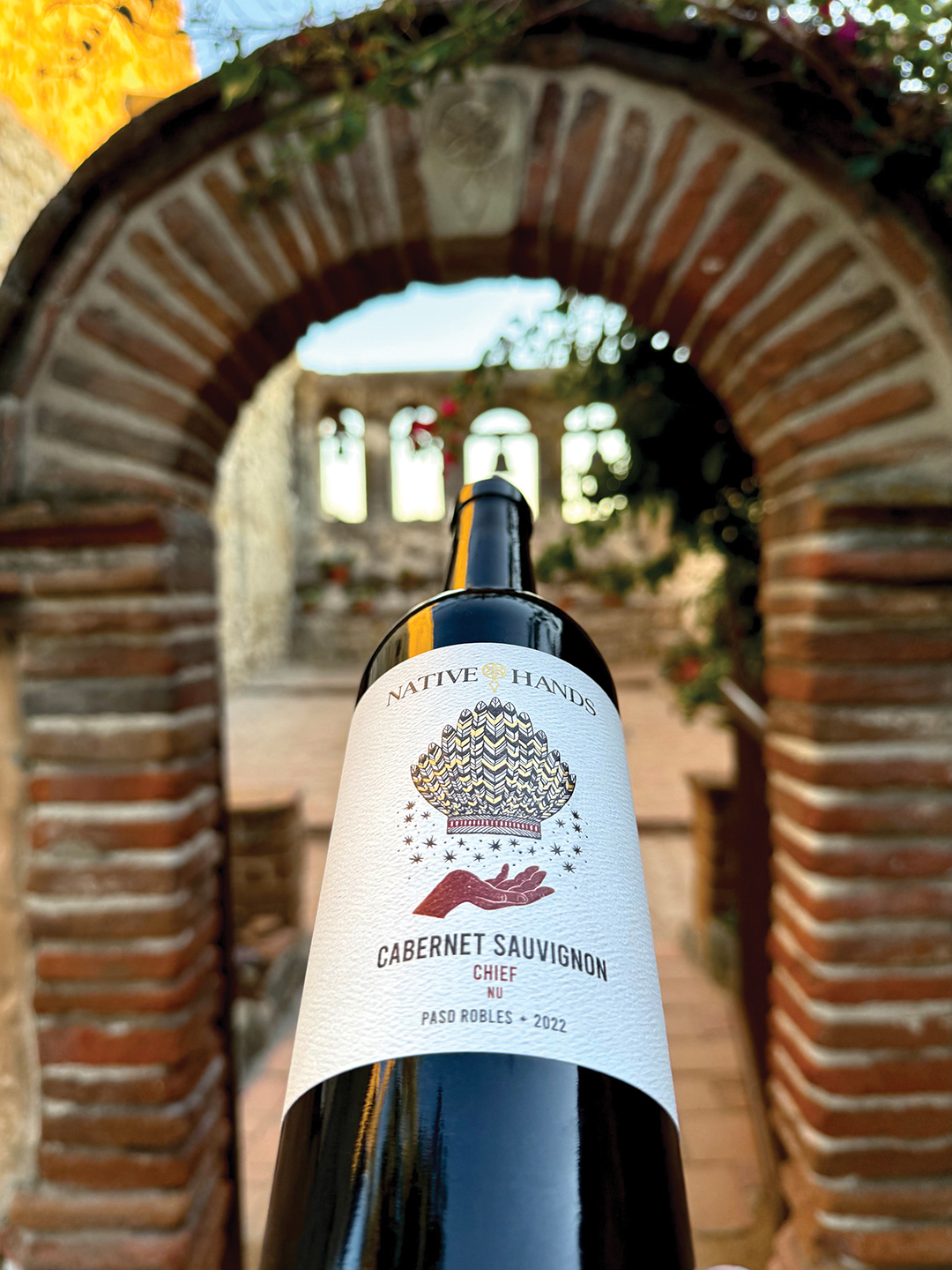
Native Hands Wine has opened the door for Lobo to share the true story of both his heritage and his ancestors’ role in crafting wine in California, and showing how those stories converge. “Every time I’m out there doing an event or doing a winemaker dinner or a farm dinner, I get to explain the history and ceremonial aspects of not only my family but my tribe and all Mission tribes, especially in Southern California, so people get to enjoy wine and have a meal while they’re actually getting to learn about the people of the land they’re sitting on,” he says. Further, each bottle’s label bears art that depicts meaningful aspects of tribal life, a visual representation of the spirit of Native Hands that was conceptualized by Lobo as a way to honor his family. “I’m nothing more than a messenger, and I’m telling stories through our labels, because each of our labels are a time, place, ceremony, or position of the Mission Indians before first contact,” he says.
The label’s art was awarded the top prize in the PACK Design Awards held by Wine Business Monthly, an honor bestowed on Native Hands before the brand had even officially launched. But Lobo didn’t let it go to his head. “The wine itself is great wine,” he says. “None of this project would be [possible] if the wine wasn’t rock solid. That’s the first thing, and then the second thing is obviously a very unique history told by someone who’s been in the business for 40 years who also has deep ties with the Indigenous tribe that actually planted and harvested and made the first wines of California.”
“It’s amazing. Every day, I get to go out and talk about my family. I get to talk about my tribe,” he says. “And wine is nothing more than a vehicle to do so.” Native Hands Wine can be found locally at Seaside Market, Meritage Wine Market, and Holiday Wine Market. nativehandswine.com

Comments