


Intensely crafted, insane views — entering this 1968 Kendrick Bangs Kellogg house is an immersion of organic architecture
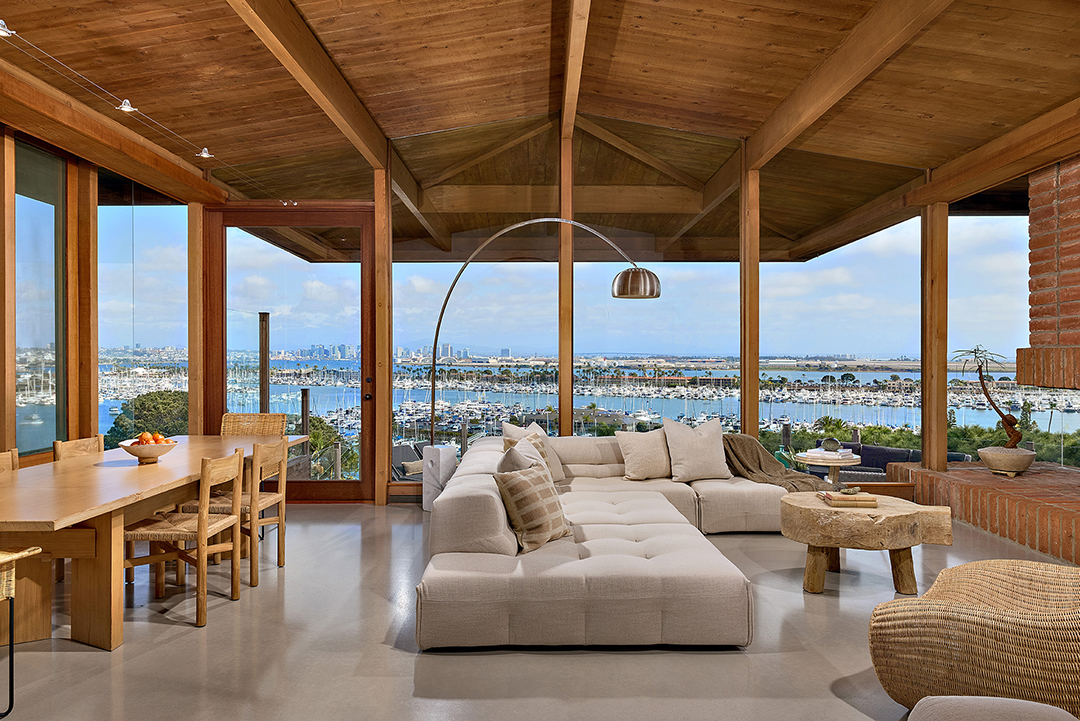
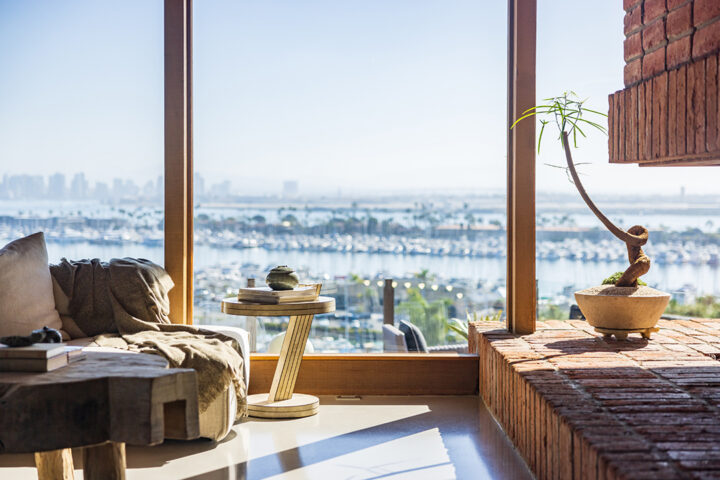
Anchored on the hillside of Point Loma’s historic La Playa neighborhood, this home is so deeply in tune with its environment that it feels like an organic extension of the landscape.
That’s the point.
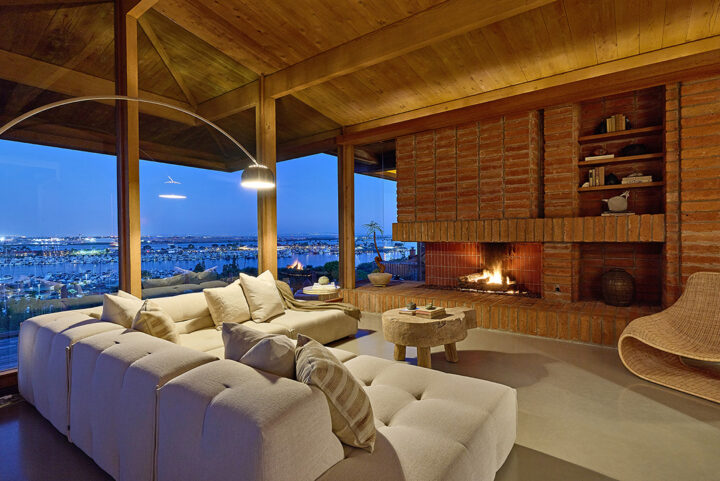
Nature was the guiding light for Kendrick Bangs Kellogg. The San Diego-born architect expanded the possibilities of organic architecture on a global stage as one of its most expressive practitioners. Featuring rough-sawed wood, plate glass, and a signature brick fireplace, one of the earlier examples of his work, 3016 Rogers Street, has been listed for $5,980,000 by Rande Turner Collective, Pacific Sotheby’s International Realty.
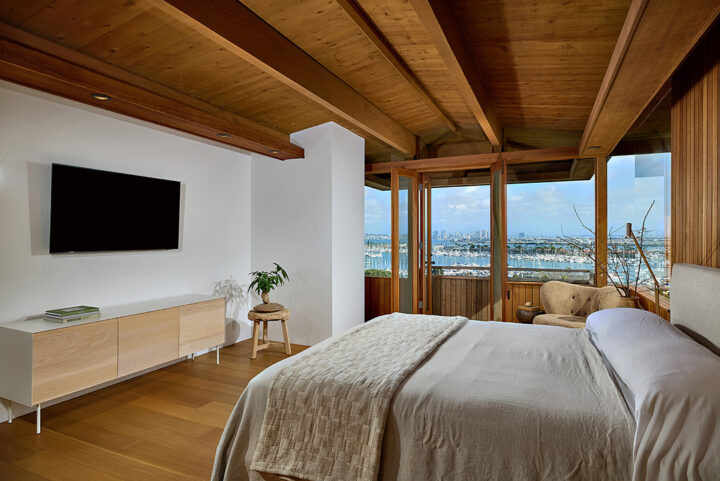
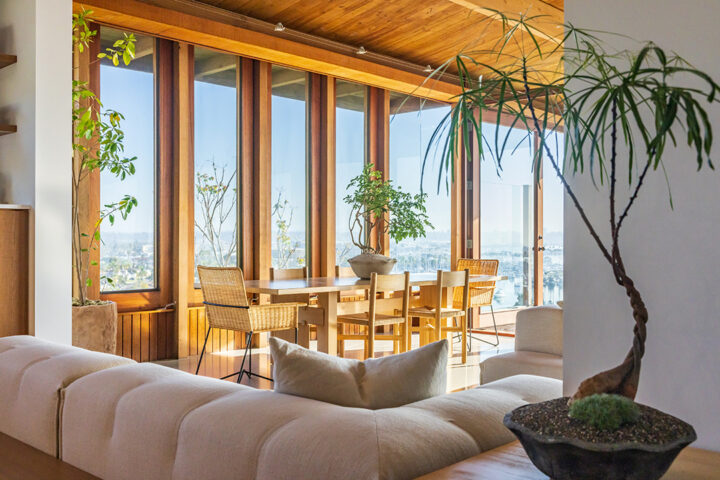
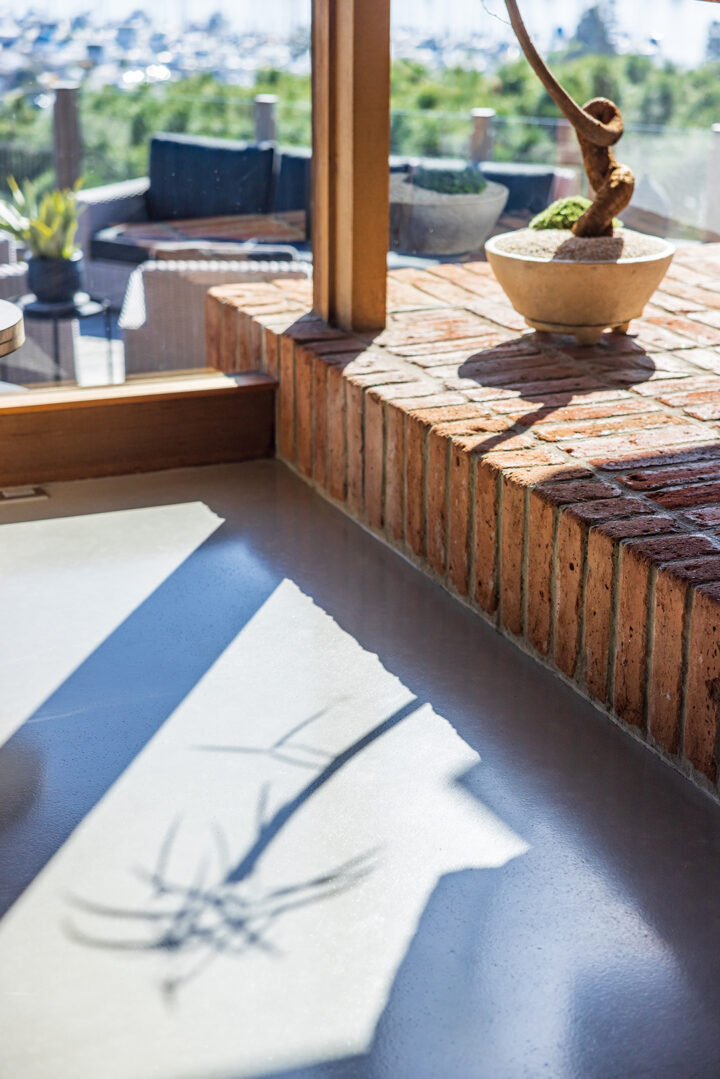
Designed by Kendrick Bangs Kellogg in 1968 and restored with every modern amenity, the home is a sanctuary where vistas, quietude, and warmth settle into place beneath blue skies. The interplay of natural materials and light enhances the fluid connection to the outdoors, reinforcing the home’s organic feel while revealing surprising intimacy.
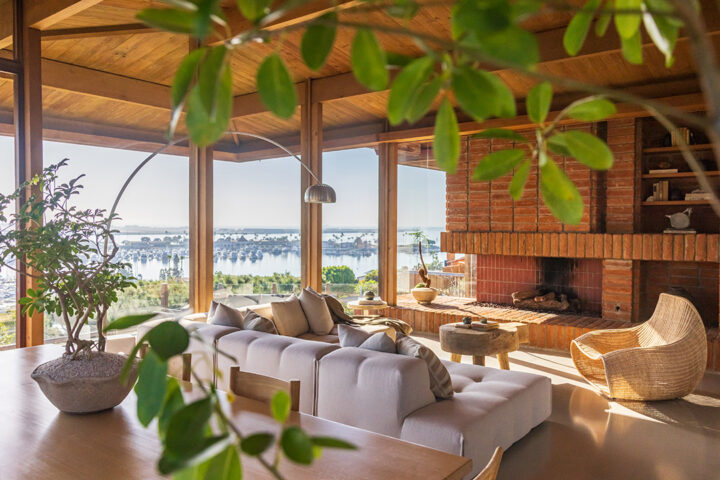
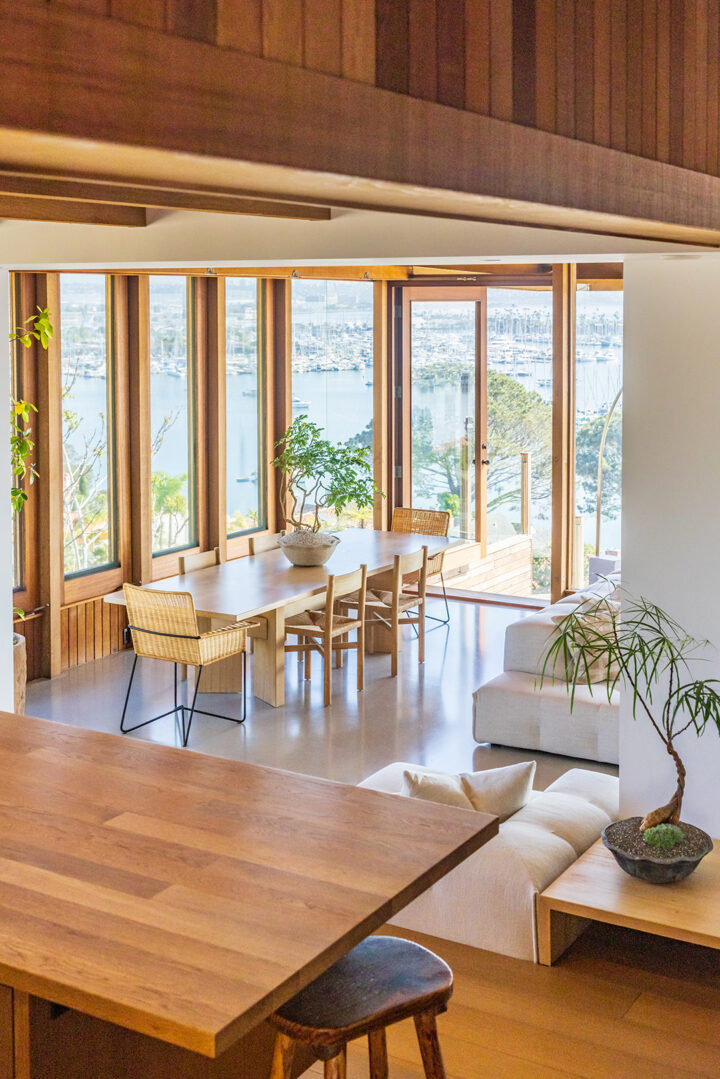
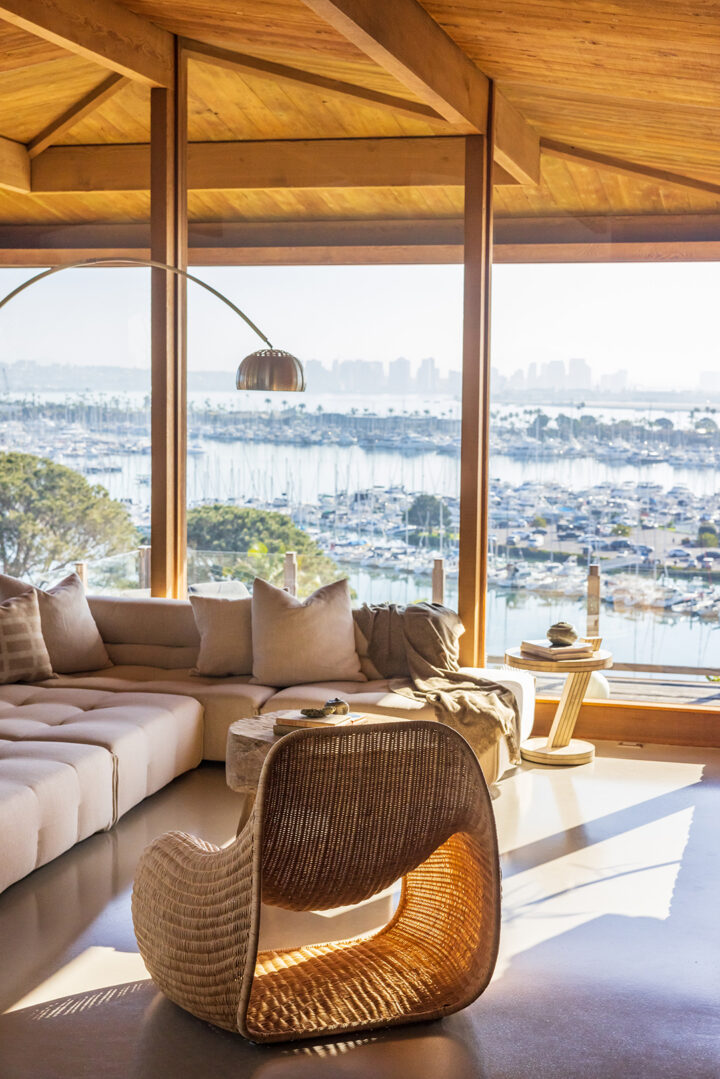
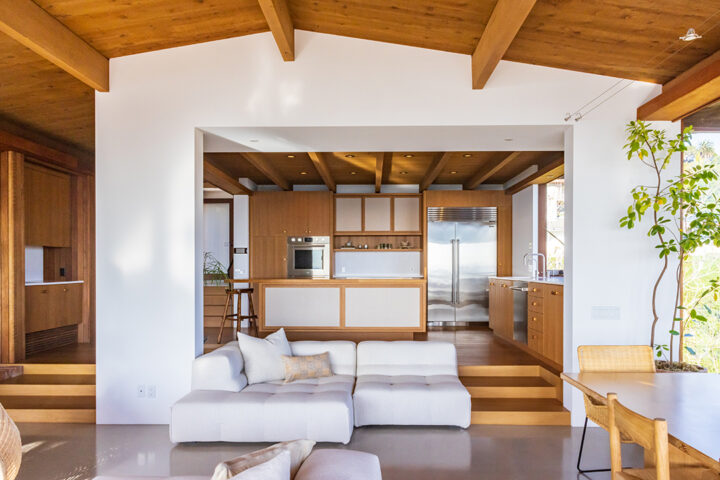
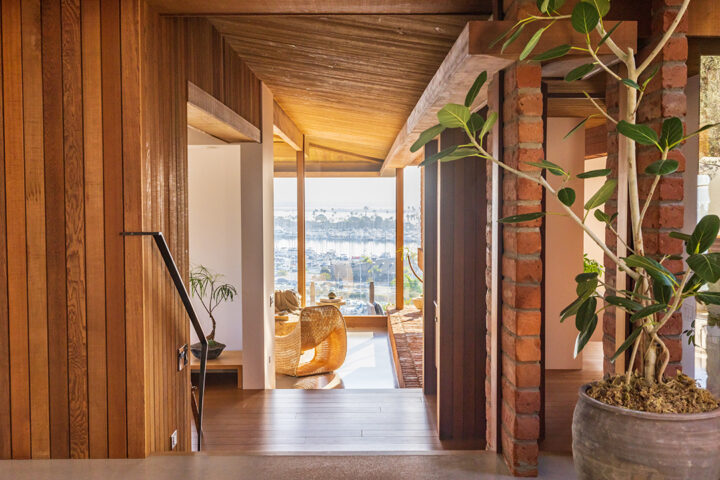
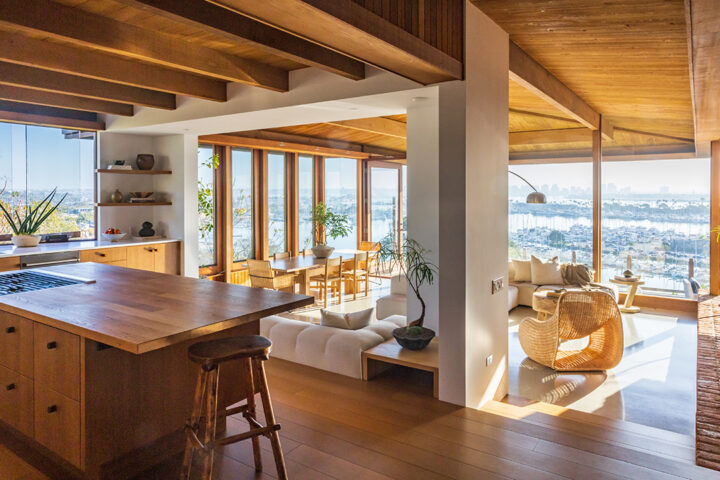


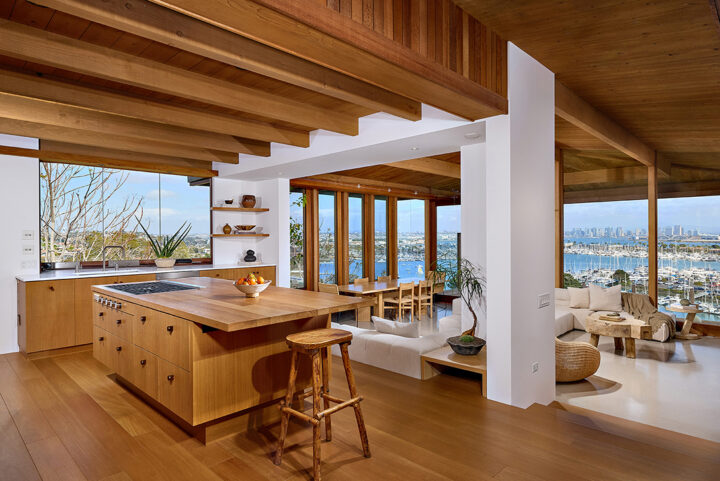
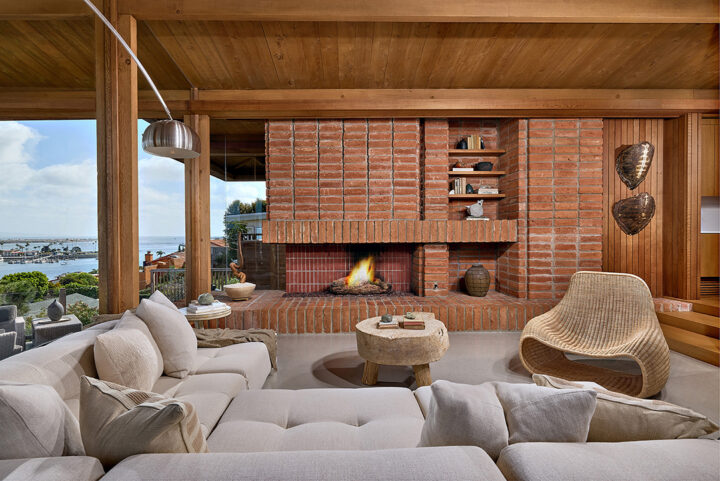
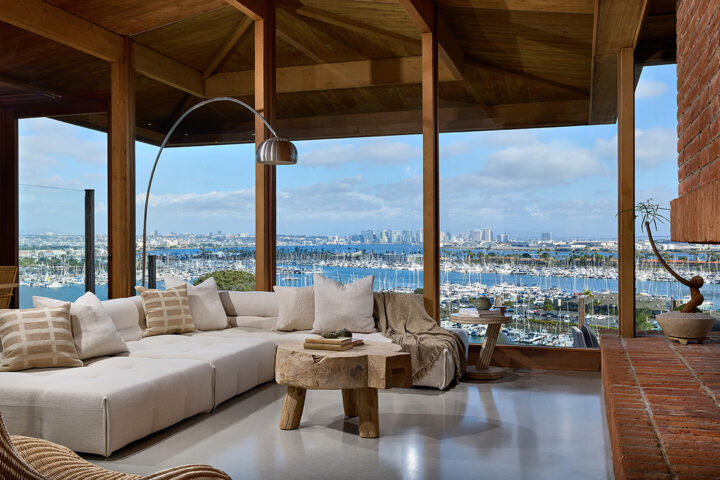
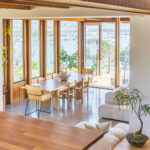

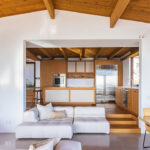
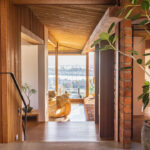
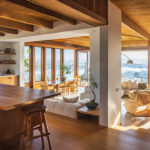


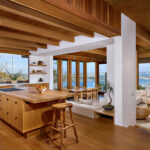

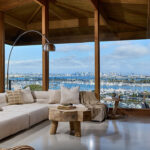
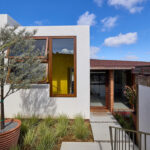
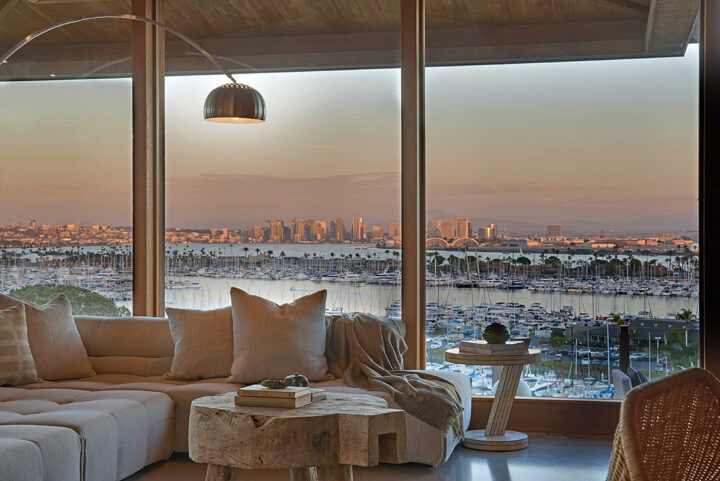
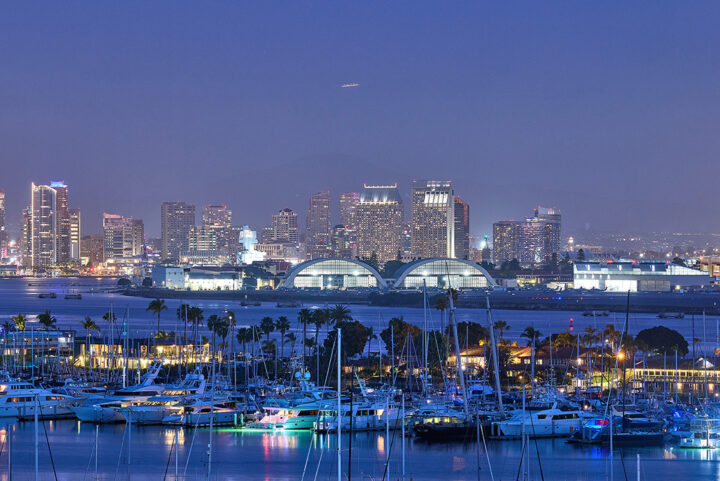
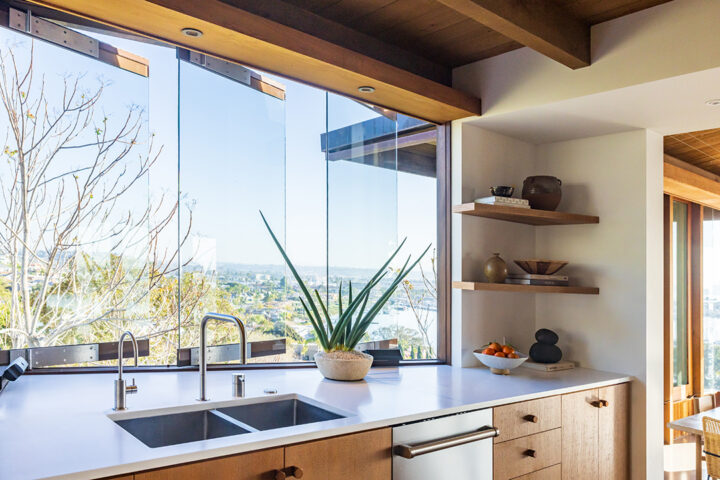
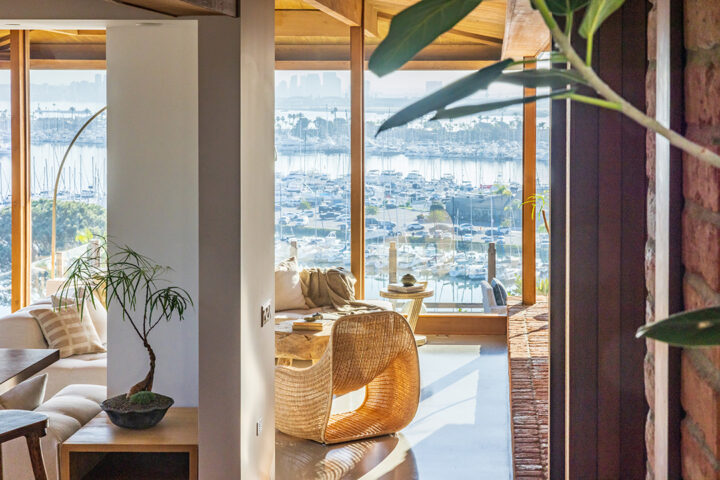
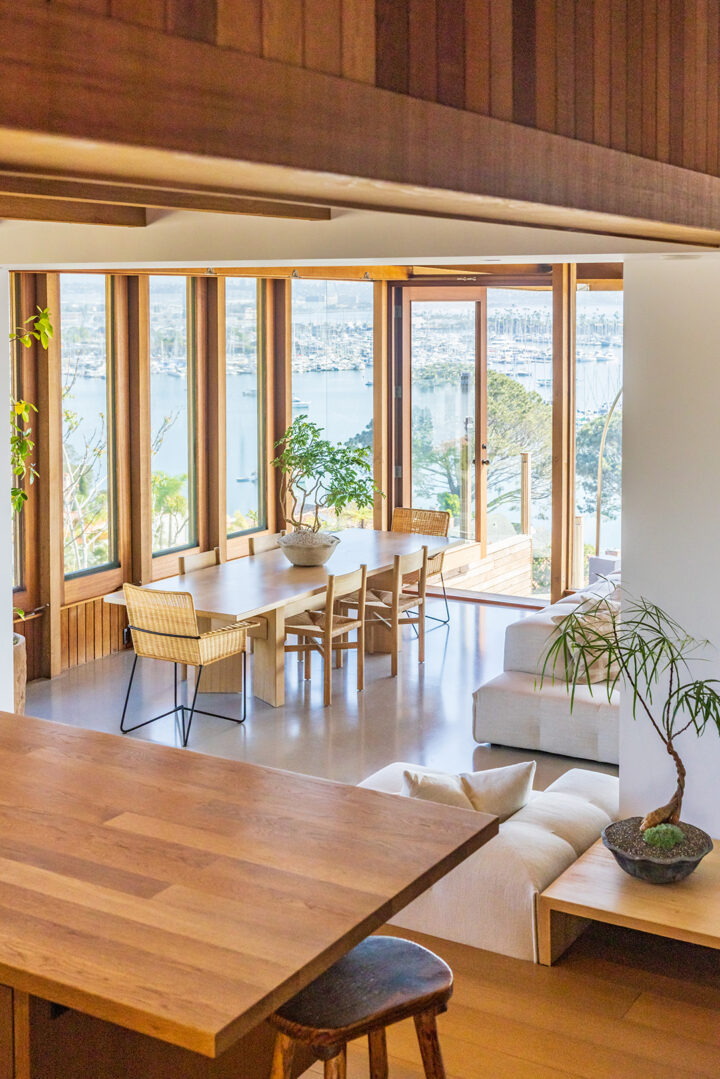
The views are active, changing throughout the day and night. There’s the excitement of the marina, Downtown San Diego’s skyline, the Coronado Bridge and the ocean beyond. In winter, there are snow-capped mountains to the east.
Kellogg was commissioned by the Madruga family, Point Loma royalty, who surveyed their tuna fleet from the living room; this Portuguese fishing family built boats and captained the massive tuna clippers that once filled the bay.
Quiet Distinction
One of the earlier examples of Kellogg’s nature-inspired work featuring plate glass and rough-sawed wood, the 3-bedroom, 4-bathroom 2,527-square-foot home sits on a 7,125-square-foot lot. There’s a mix of soaring and more intimate spaces; the double-height living and dining area draws families together around the massive brick fireplace.
Kellogg died in 2024 and his legacy and architecture outlive him. His archives are held at UC Santa Barbara, which is planning a larger exhibit on his work next year. Meantime, this house remains a rare opportunity to secure a piece of architectural legacy that’s been masterfully restored and updated with total commitment to craftsmanship.

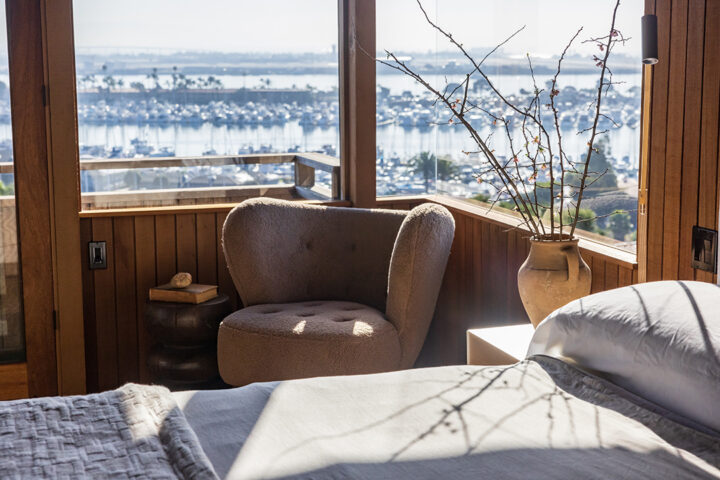
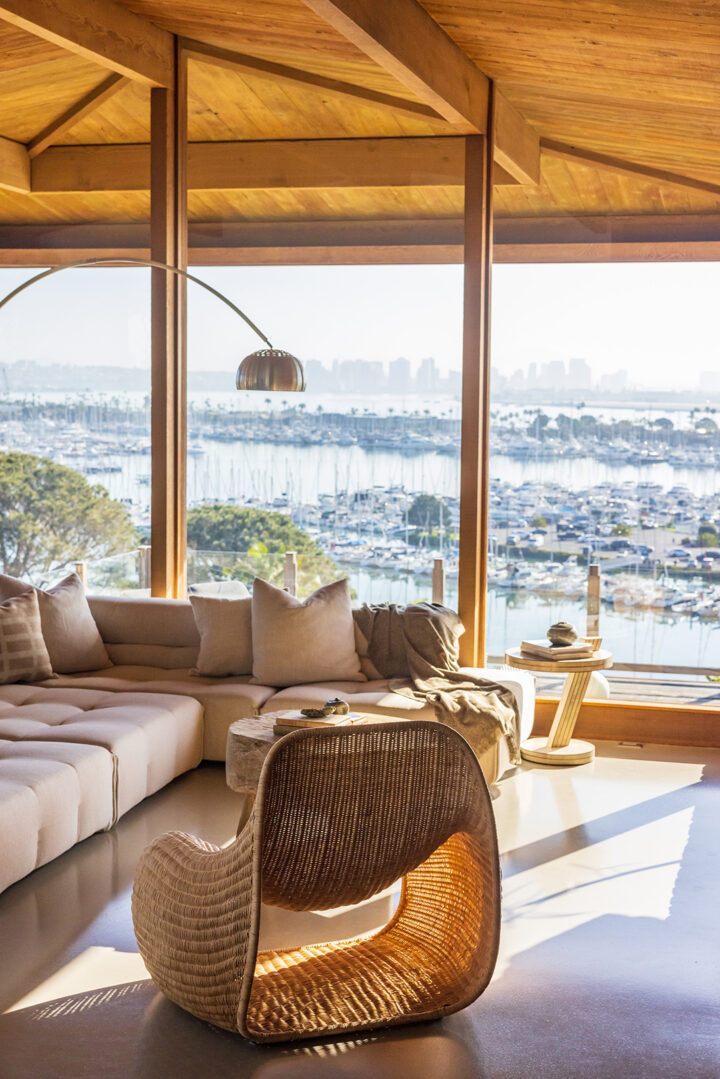
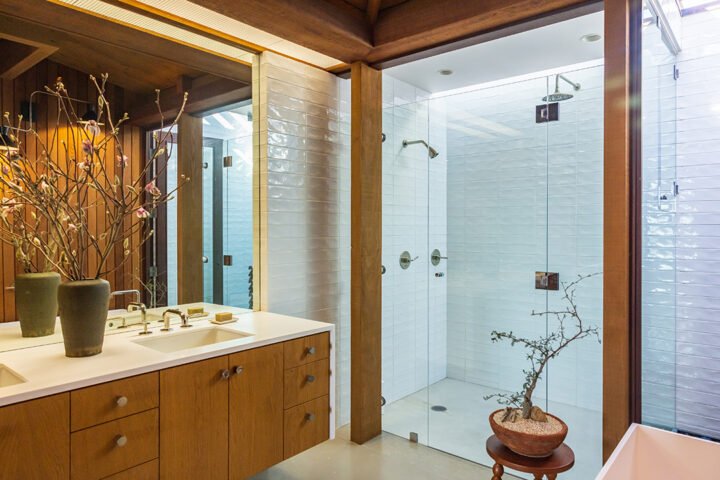
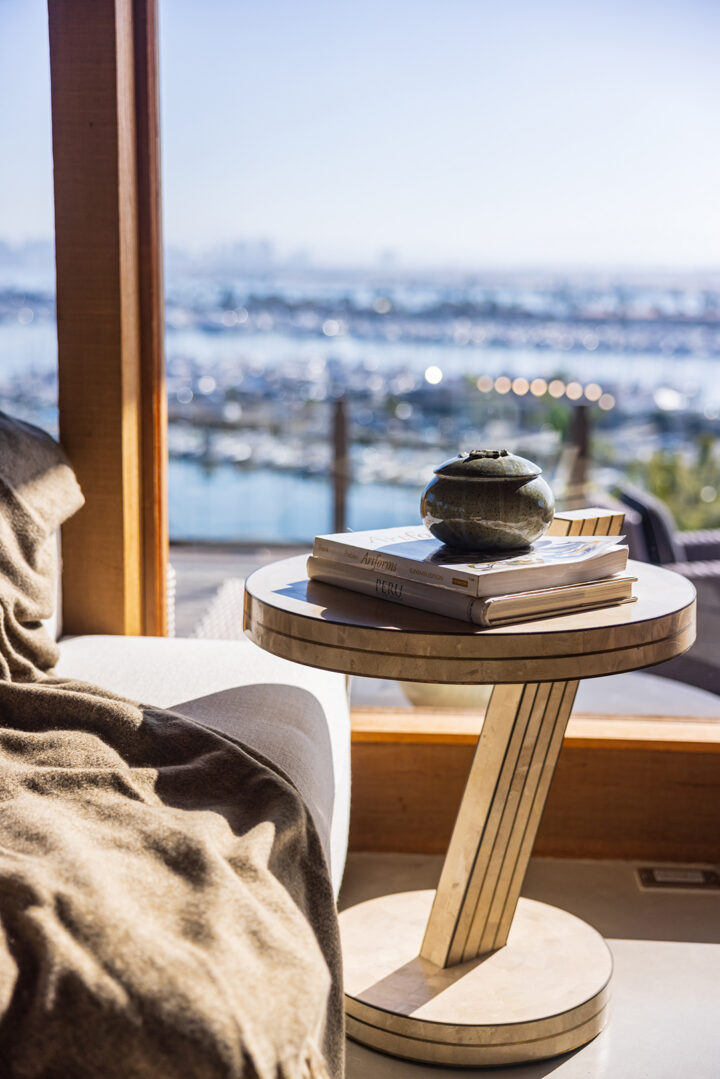

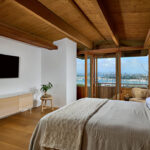







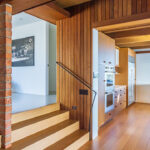





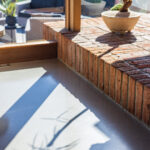
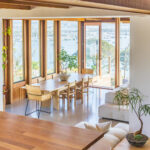
“Kendrick Kellogg has always held a unique place in the pantheon of San Diego architects,” says Cardiff-based architect Brett Farrow. “His architecture remains stunning decades after it was built. Recently I’ve noted that his work is experiencing a renewed appreciation and has entered the global design zeitgeist that craves something different, original, and crafted.”
Over the last five years, the residence underwent an extensive renovation under the direction of master craftsman Larry Richards, ensuring its architectural narrative will endure for generations.
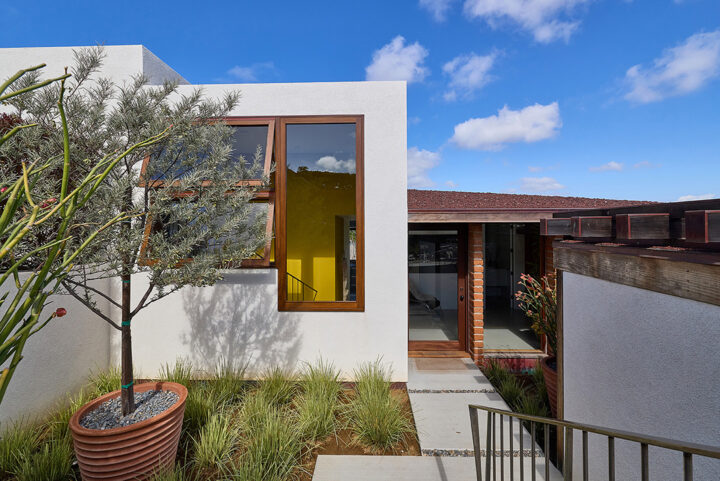
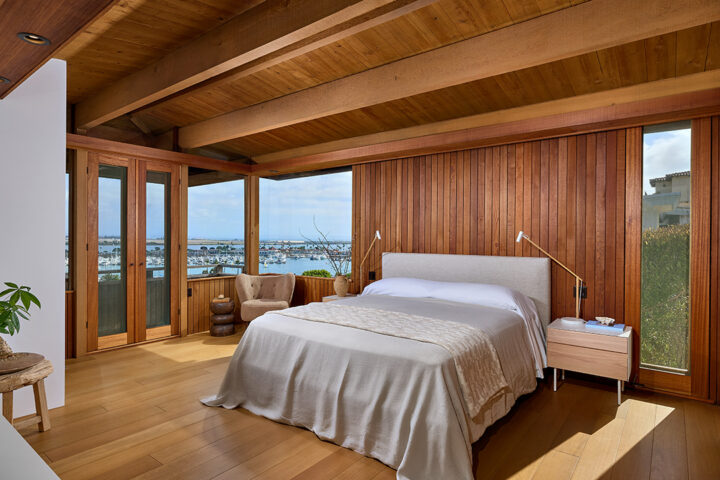
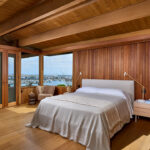
Richards restored Kellogg’s original vision for the arrival experience, central living space, and primary bedroom while the rest of the house was completely renovated for a modern blueprint. A new kitchen features custom cabinetry (to match the original wood) as well as motorized cantilever windows.
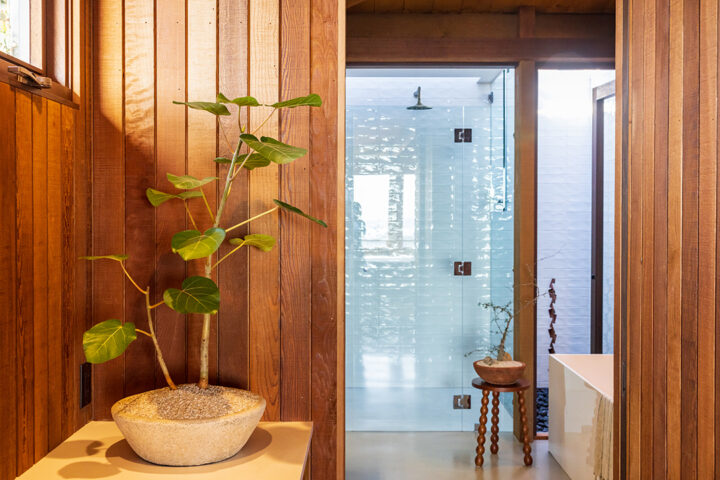
Two ensuite bedrooms — both with bay views — are extremely livable and airy. There are new bathrooms, a laundry room, a two-car garage, new heating and AC systems. Plus: new wood and concrete floors.
The refined layout carefully balances privacy with shared spaces. Location with lifestyle. The main living room and primary bedroom occupy opposing wings, a subtle separation promising household harmony.
It’s a testament to how architecture can shape feeling. Consider it a prototype for neuroaesthetics — the study of how environments affect emotional and physical well-being.
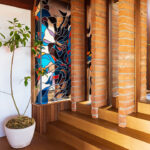
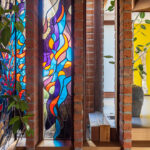
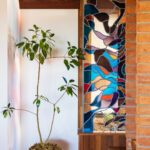
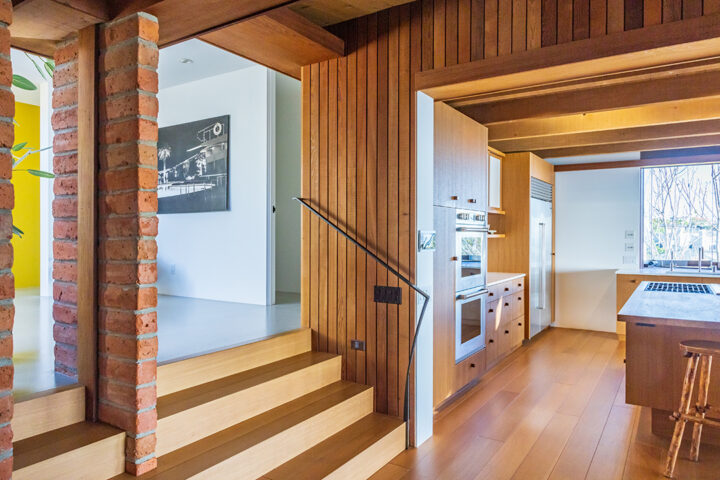
Situated at the end of the road, the house is crafted to dramatically embrace the breadth of its site, echoing Frank Lloyd Wright’s compression and release technique. The low-scale arrival and stairwell unfurl to expansive views. Kellogg was, in fact, deeply influenced by an early career encounter with Wright, but decided to pursue his own vernacular rather than become a disciple.
Kellogg grew up in Mission Beach building forts; he went on to complete over a dozen striking structures, both residential and public, including Lotus House in La Jolla, the Doolittle House in Joshua Tree, the Onion House in Hawaii, and the Hoshino Stone Chapel in Nagano, Japan.
For several of these projects, he collaborated with James Hubbell, the late San Diego artist and architectural designer who shared an organic aesthetic. The creative synergy between Kellogg and Hubbell took shape over three decades. The debut project was the Onion House in 1961-62 where Hubbell created 29 stained glass windows against volcanic rock walls.
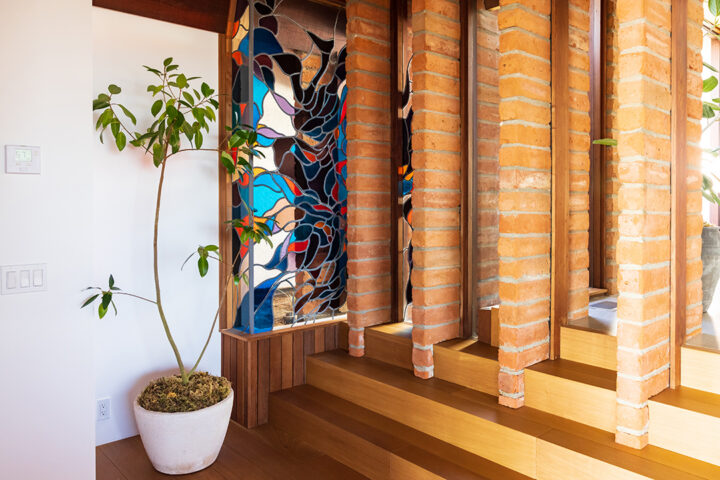
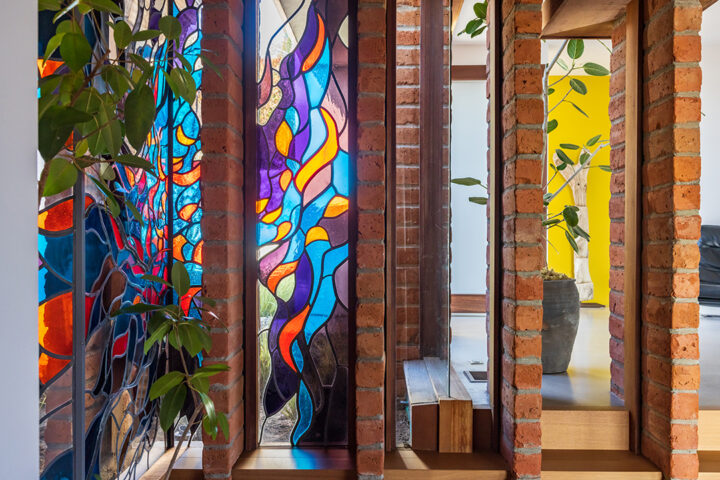
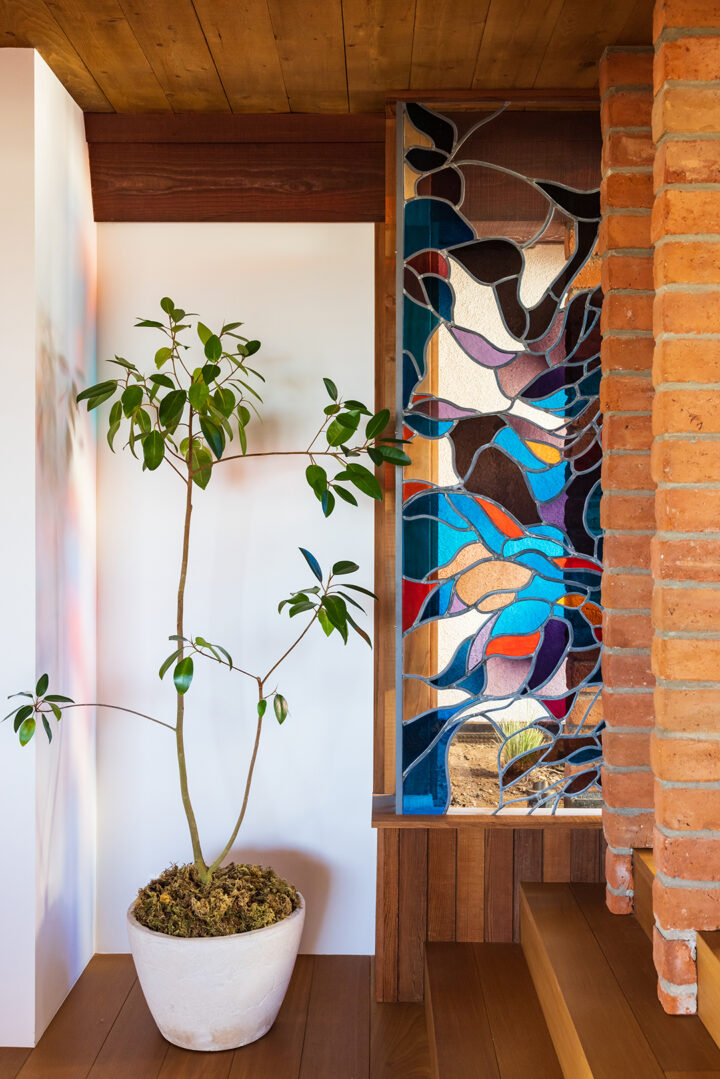
At 3016 Rogers, their craft is on full display in the foyer. Hubbell designed the wave-patterned stained glass that wraps around Kellogg’s linear brick pillars. The rhythm of colored light echoes the tide below while casting a kaleidoscopic reflection on the wall.
“There’s something about the beauty that is immediate and alive,” says Oxford professor Suzanne Sklar of Hubbell’s workin the documentary James Hubbell: Between Heaven and Earth.“It gives life and it changes perception. Beauty connects.”
You can read more about the pair’s collaboration at Hubbell’s Ilan-Lael Foundation. This spring, Hubbell is part of a new exhibit at Oceanside Museum of Art.
For more about 3016 Rogers Street, visit the website.



Comments