


Explore the sun-soaked villages of the French Riviera
Hilltop hamlets, seaside towns, and everyday rhythms reveal the authentic side of Southern France
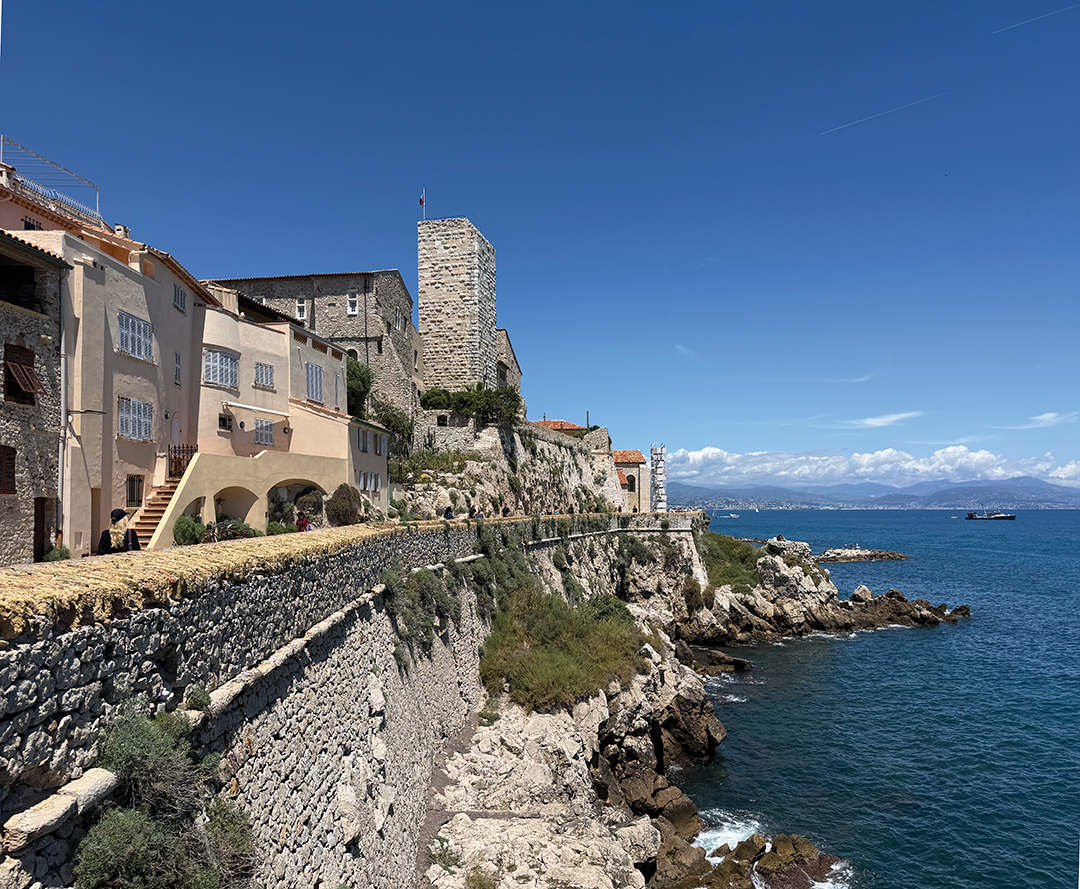
The South of France has for decades attracted travelers from around the world looking for quiet luxury and beautiful coastal vistas. The rich and famous — from celebrities to royalty — established homes here, attracted to the sunny lifestyle and coastal breezes of the Côte d’Azur.
The proletariat followed, as did we. Like so many before us, my husband and I were deeply romanced by the allure of the French Riviera.
We are tourists too, of course, although we wanted to blend in more than some of our louder, more boisterous counterparts. Seeking a place in the sun while avoiding tourist crowds and cruise ship day trippers, we planned an extended stay to navigate the area without timelines and itineraries. Our explorations were to happen more naturally, sans tour guides holding little flags for their trailing groups of followers.
Navigating the South of France
The South of France refers to an area bigger than we initially understood, so we needed more pinpoint clarity. Provence includes charming towns like Avignon, Aix, Gordes, and Roussillon with their lavender fields, vineyards, and olive groves. The south also includes hilltop destinations that tumble toward the sea like Èze and Menton, part of the region lovingly called the French Riviera. For this visit, we specifically targeted an authentic coastal subset — the glistening, alluring Côte d’Azur fronting the Mediterranean Sea.
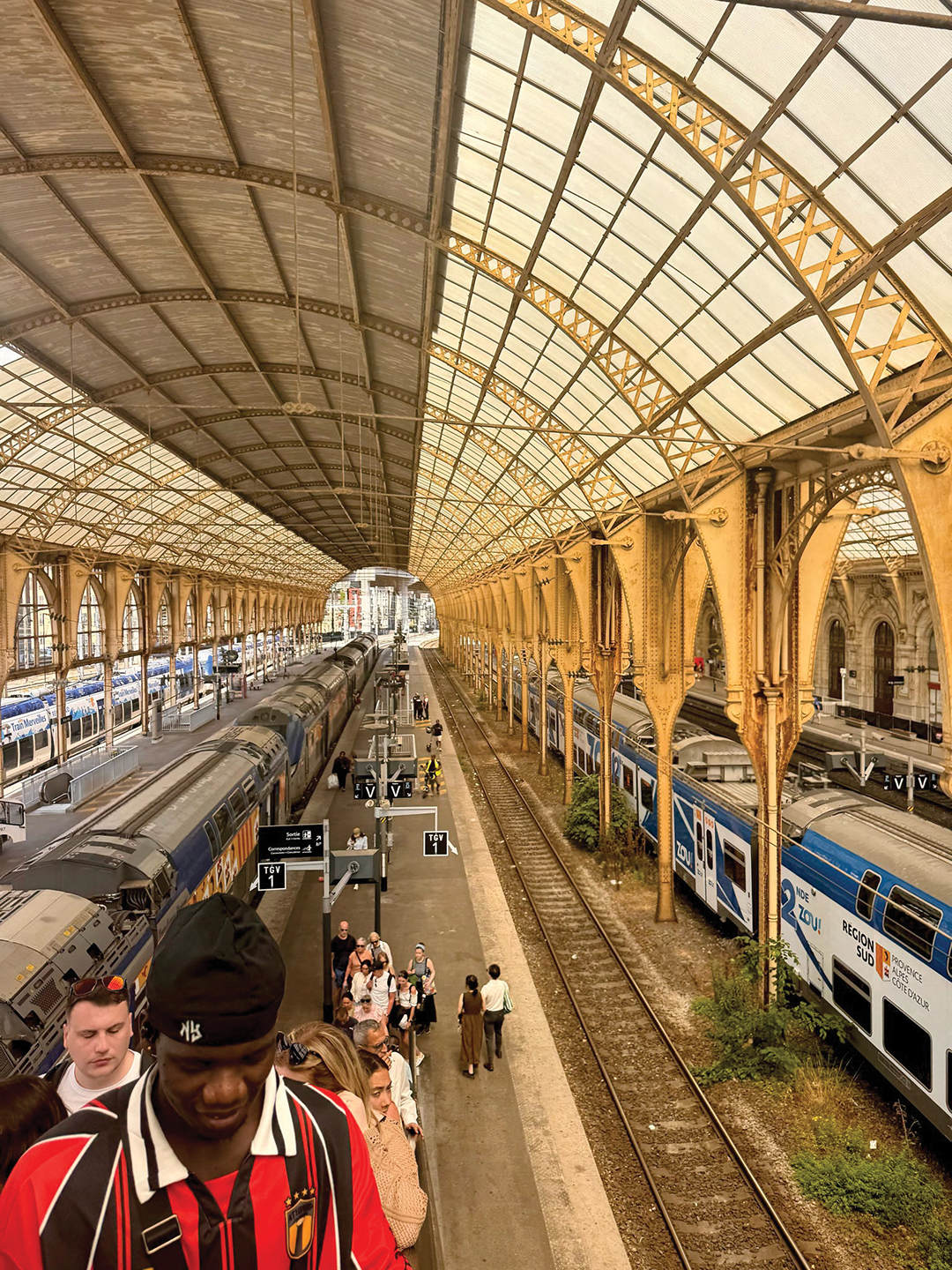
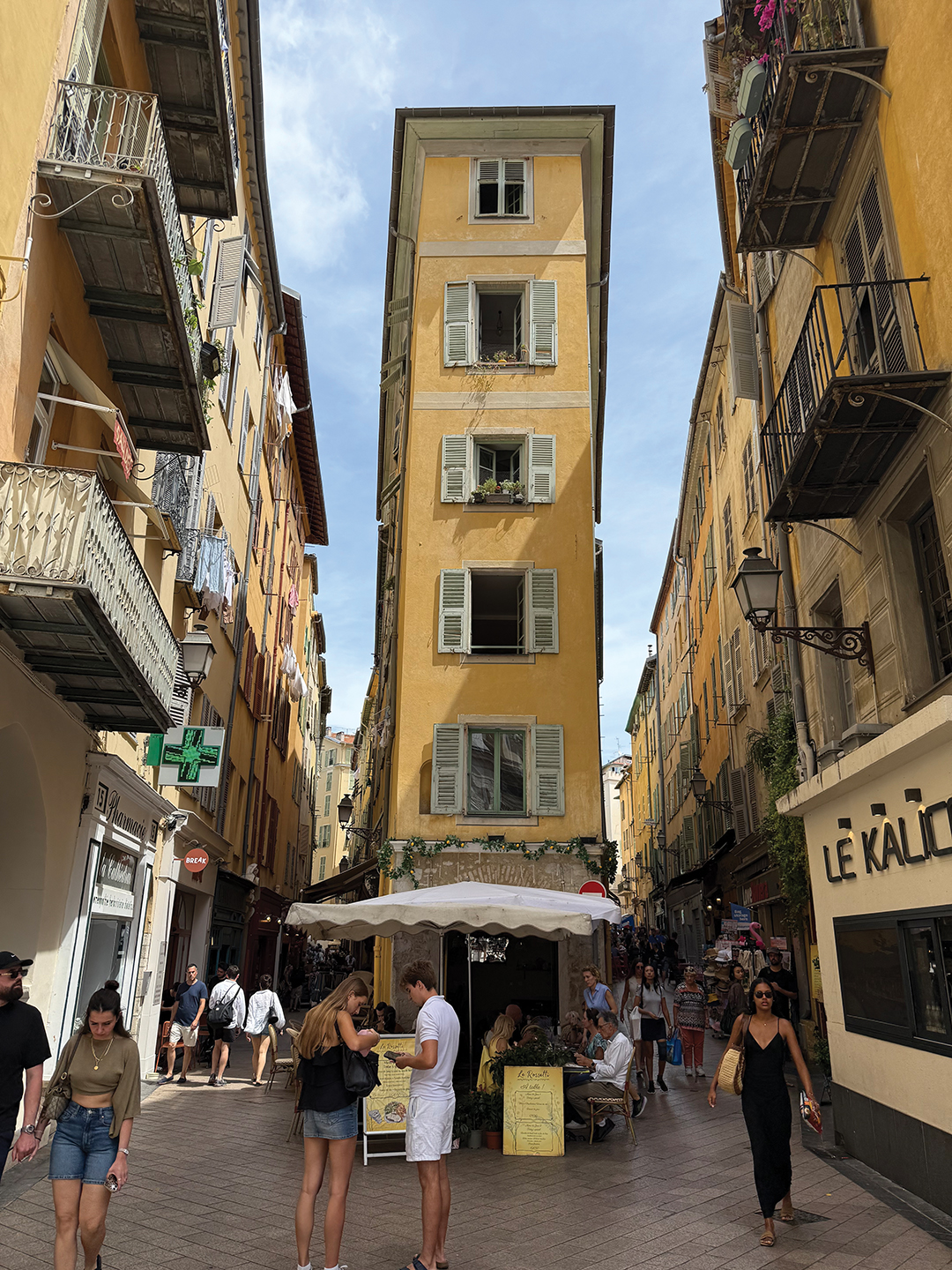
We arrived by train from Marseille to Nice, an easy and smooth ride complete with reclining first-class seating options, Wi-Fi, and a view of the coast that reminded us of past trips on the Pacific Surfliner from L.A. to San Diego along our own Southern California beachfront tracks. Our desire was to live like the local Niçoise: in a rented 1800s-era flat with updated kitchen and bath, classic shuttered windows, and easy access to the town’s corner cafés and street markets.
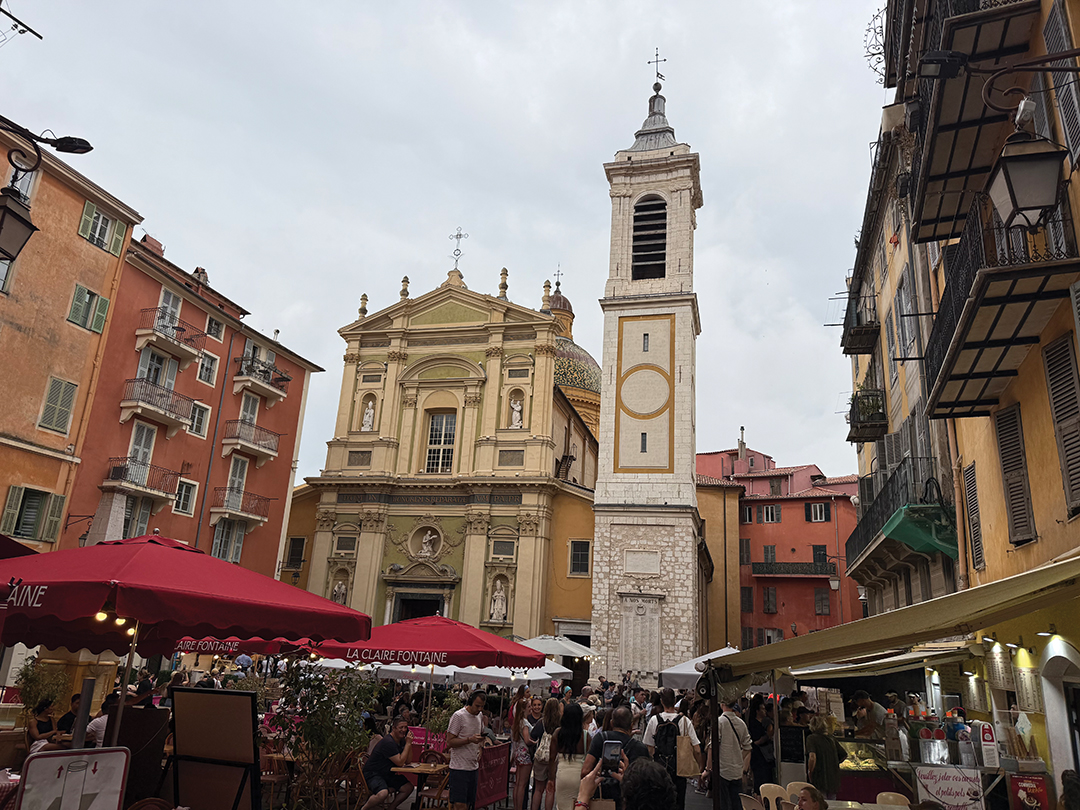
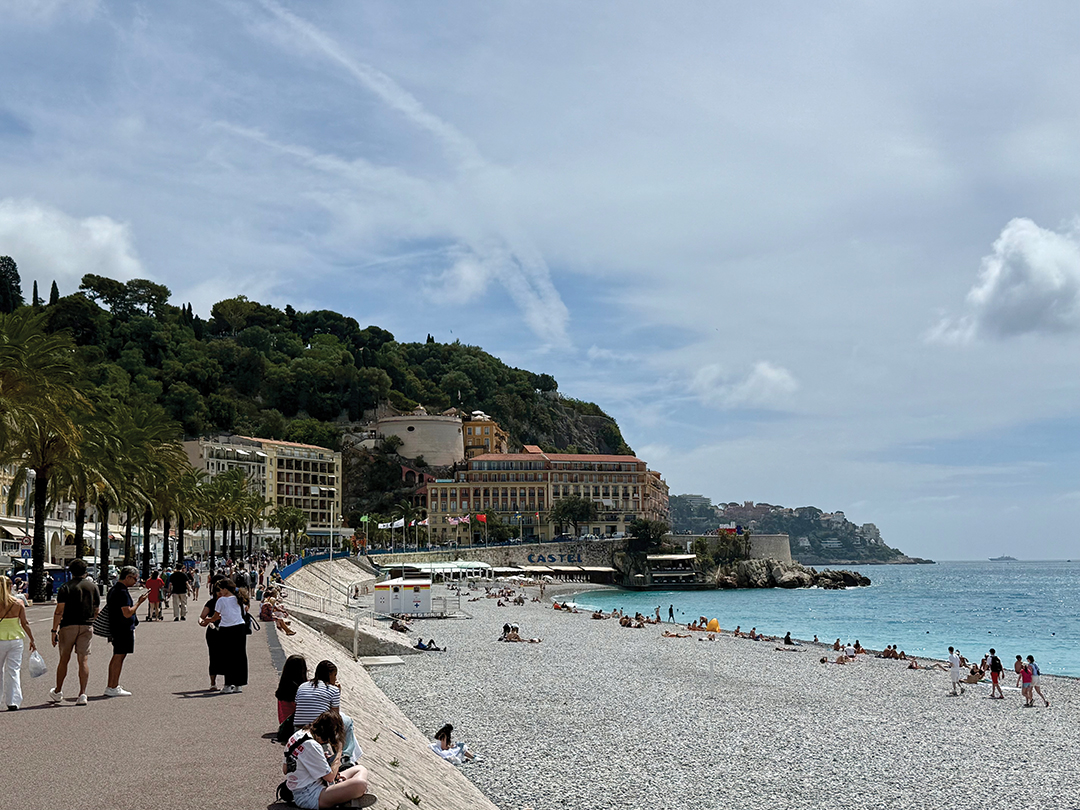
From our roost in Nice, we could easily train to most of the popular destinations along the Côte d’Azur. And that we did, intermixed with lazy days spent wandering the medieval streetscapes, historic landmarks, and picturesque waterfront of Nice itself.
Nice as a Home Base
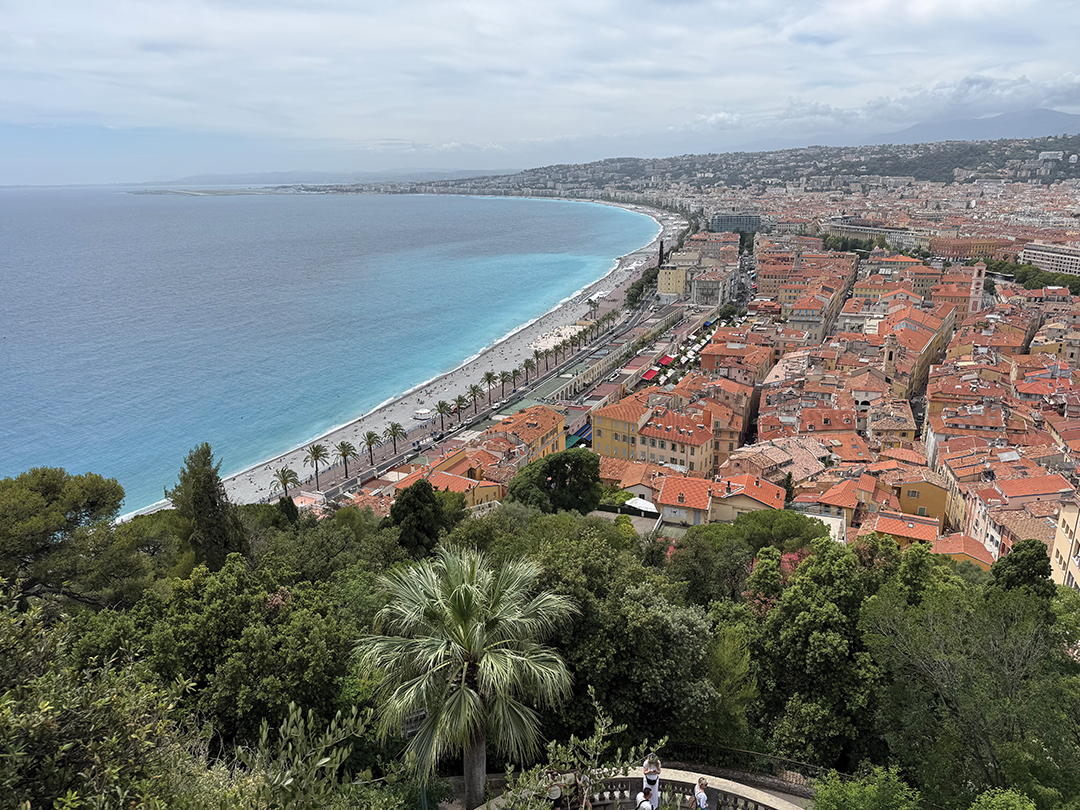
As a central access point for our adventures, Nice was the ideal home base. Not too big and not too small, Goldilocks would approve of the just-right size and orientation of this 370,000-citizen burg. Whether hotel or short-term rental is your vibe, I suggest picking something central to the waterfront and train station. From there, the rest was nearly effortless, despite our appalling lack of French language skills. (The locals are quite approachable and friendly.)
Train to Everywhere
Choosing Nice was a strategic move, because the central train station makes it simple to reach highlights along the Côte d’Azur, reaching Cannes, Monaco, Antibes, and even Italy within minutes. It was fun to sit among schoolkids with laden backpacks, elegant ladies carrying Louis Vuitton bags, and grumpy French gentlemen.
Street Market Bounties
The classic picnic experience is quickly attainable at several daily markets, where locals do their shopping for fresh produce and fruit. Grazing through the fresh seasonal stalls at the Liberation Market, we picked up tree-ripened cherries and apricots along with the sweetest, reddest strawberries. Nearby, we chose plump herbed olives and a freshly baked, crunchy baguette.
Cheesemongers Extraordinaires
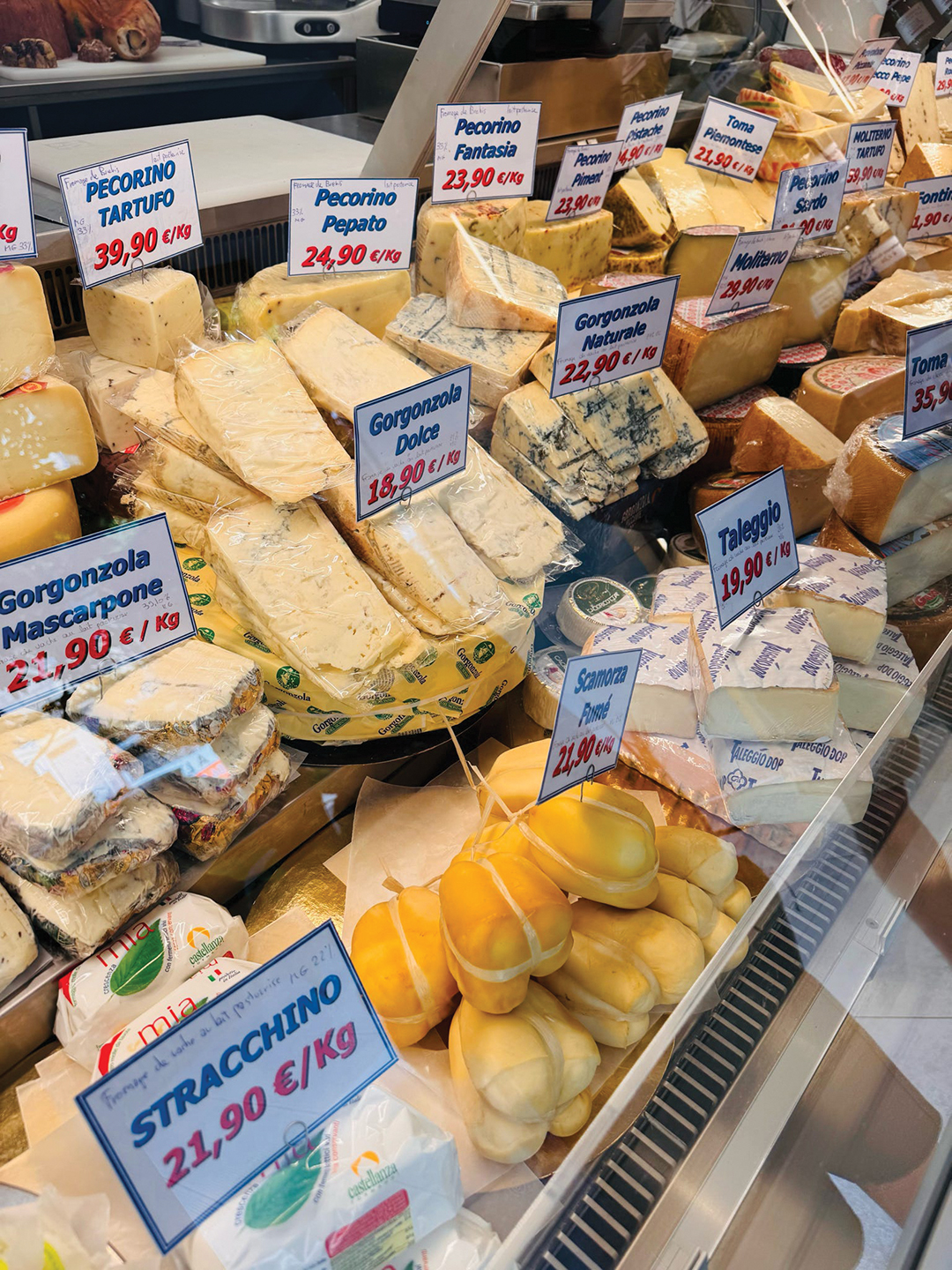
On a leafy side street, we perused one of the local cheese shops to savor various wedges of sheep, goat, and cow’s milk cheeses. The kind owner spoke little English, and we got by with hand gestures and a smile while he allowed us to sample options before deciding.
Restaurants Galore
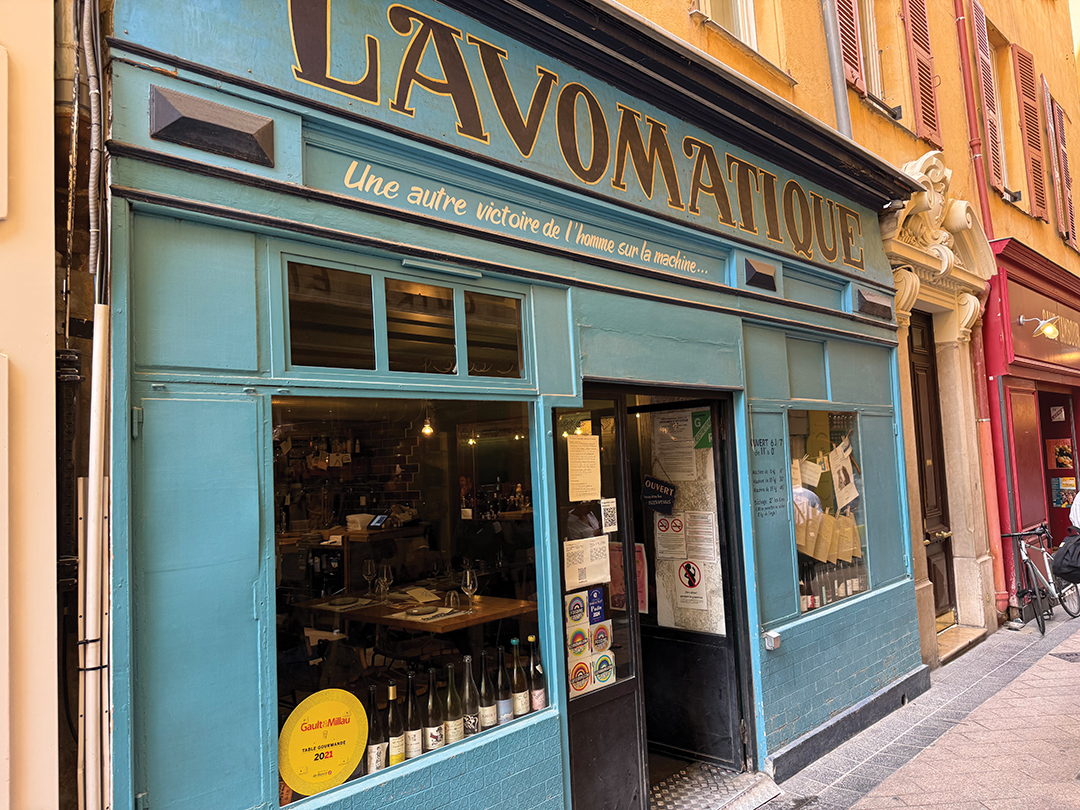
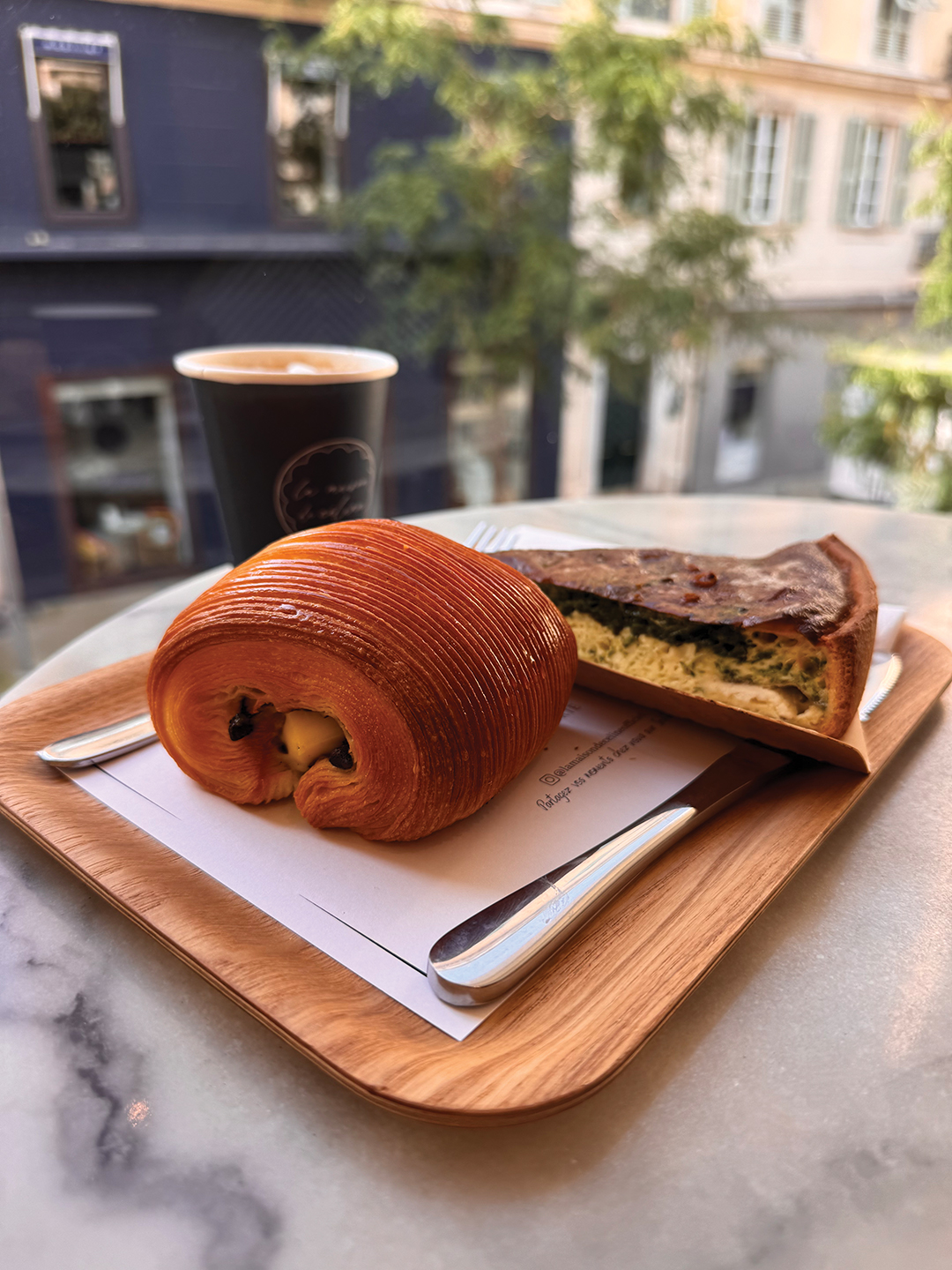
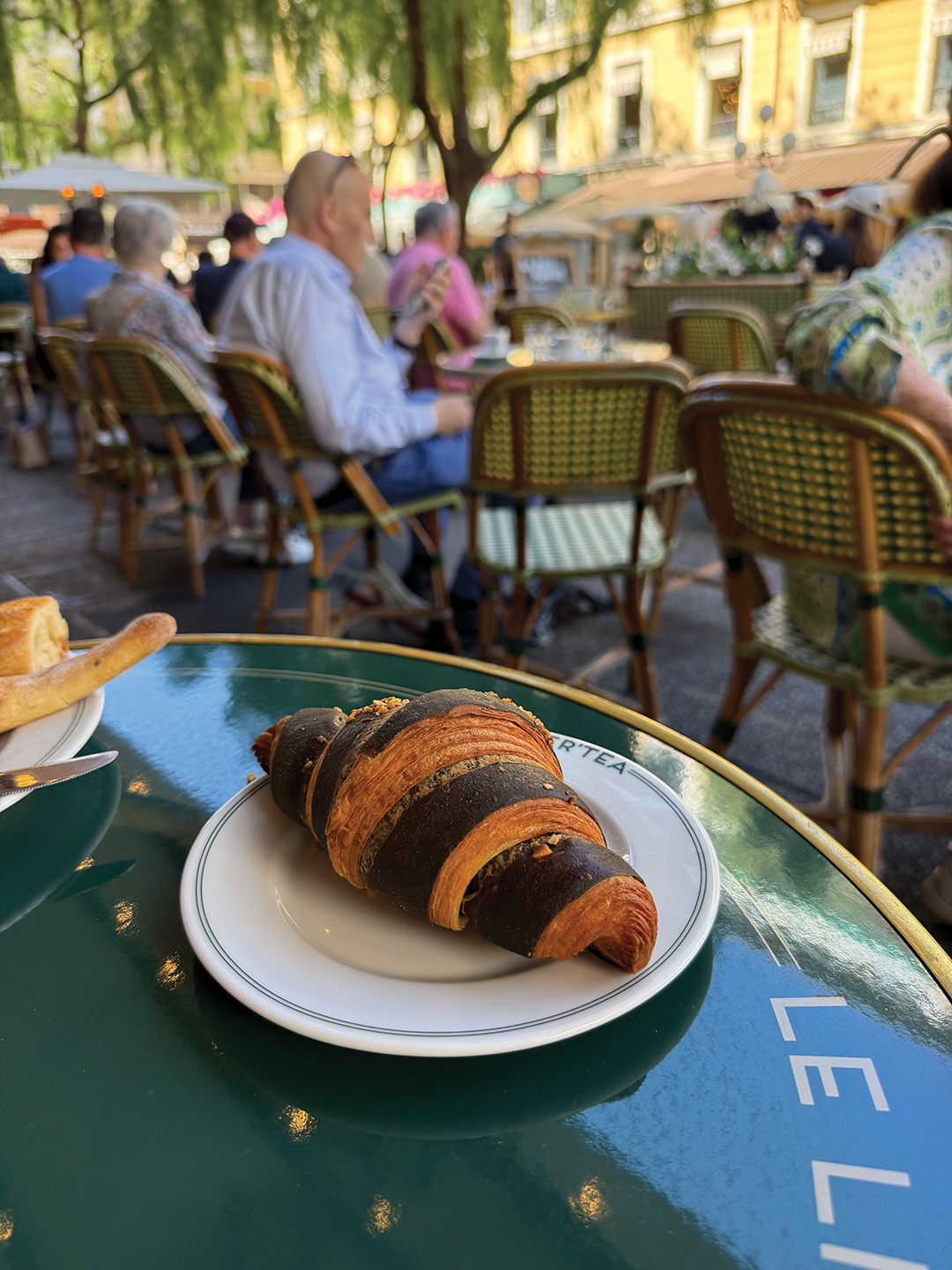
With so many talented chefs within our grasp, touring the local restaurant scene was vastly successful. Breakfasts are simple here, and our goal was to sample as many cafés and croissants as a human being can comfortably consume. We planted ourselves at too-small café tables under striped awnings, crunching on flaky pastries and sipping frothy café au laits. For dinner, a global array of options serve heartier fare, from traditional Provençal to authentic Indian curries, Thai noodles, Italian traditions, and more. Our winner was a local favorite deep in Nice’s Old City called Lavomatique, with dishes so sumptuous we returned another day for the exact same order.
Places Famous and Not-So
Directly surrounding Nice are some of the most charming little burgs of the Côte d’Azur, each with their own personalities and attributes. Some are more known than others, and a few require short rides from the train station to enjoy their riches.
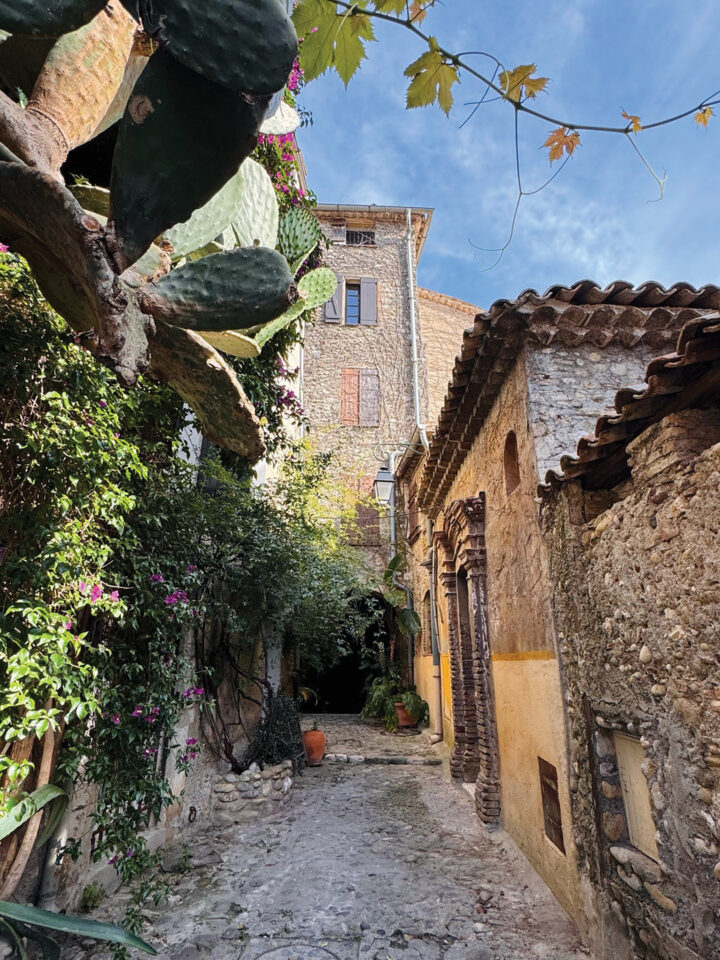
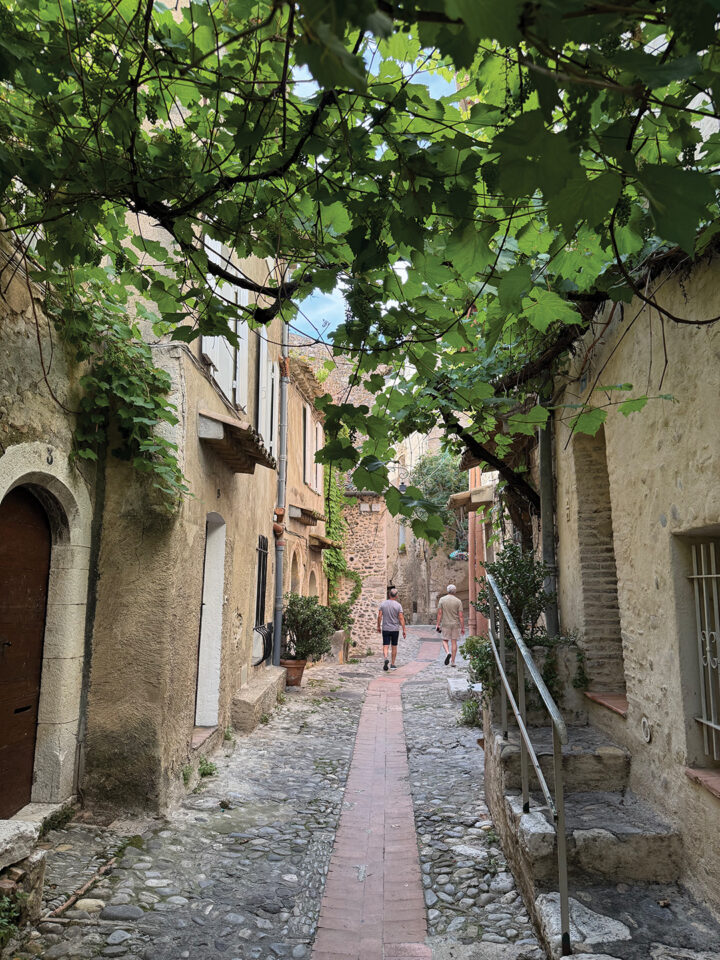
Cagnes-sur-Mer is topped by a tiny castle snatched right from a fairytale. Perched high on a hilltop, the little town trickles down narrow stone streets with echoed footsteps. It seemed the perfect place to enjoy our supplies from the farmers market, overlooking the distant rock formations and closer hamlets green from recent rains. Hardly another visitor was encountered, allowing us to dream of past lives here centuries ago.
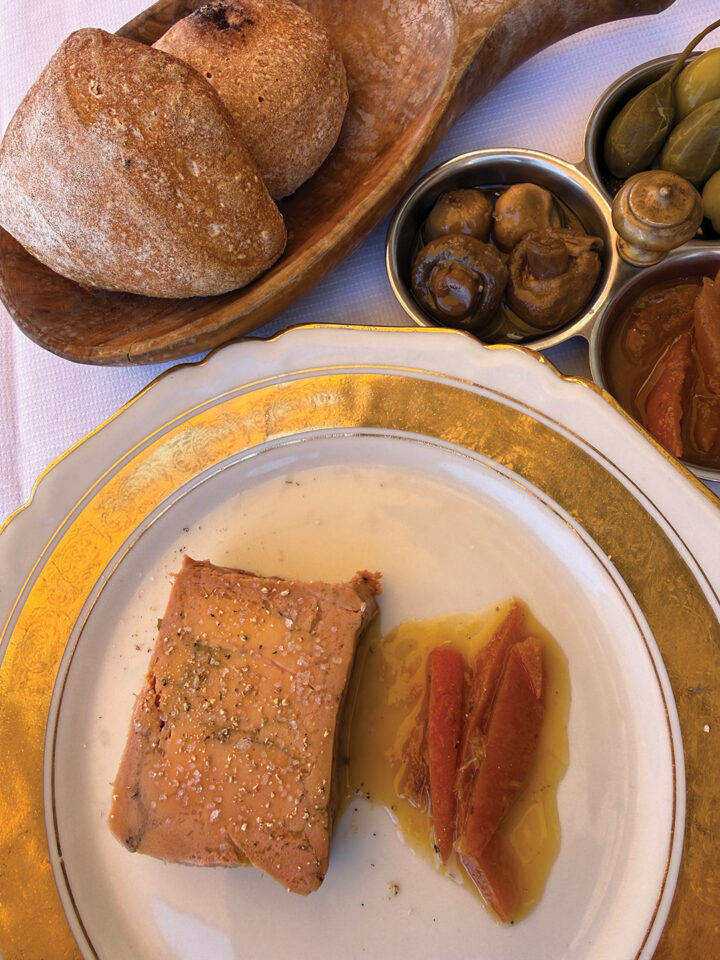
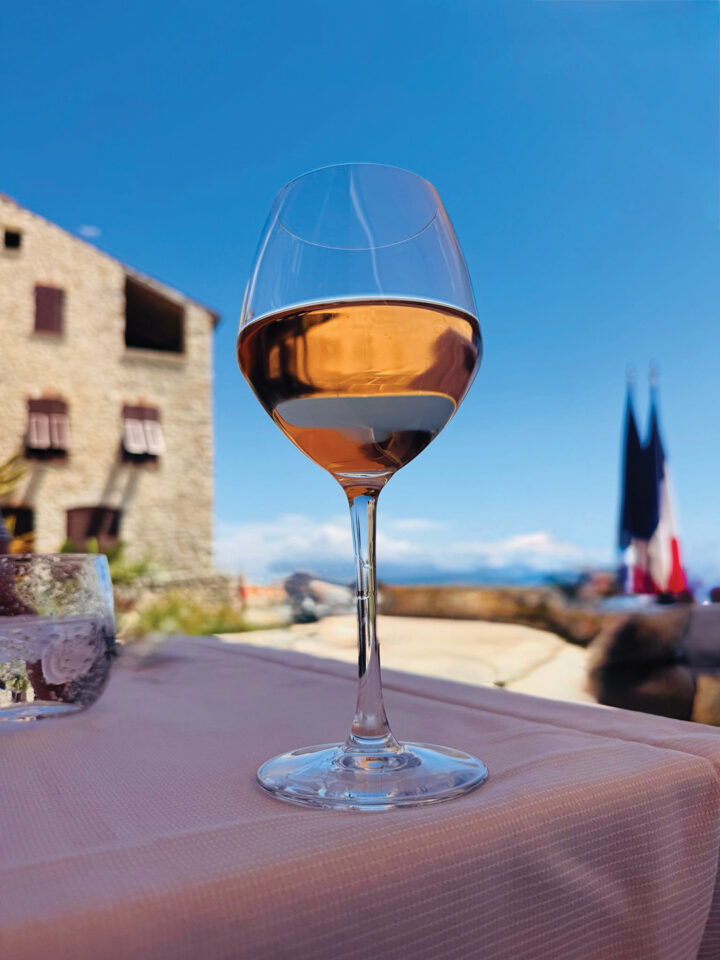
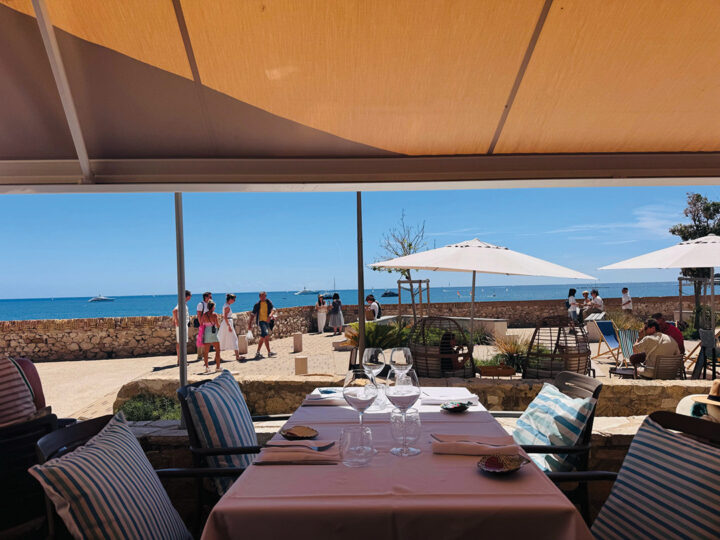
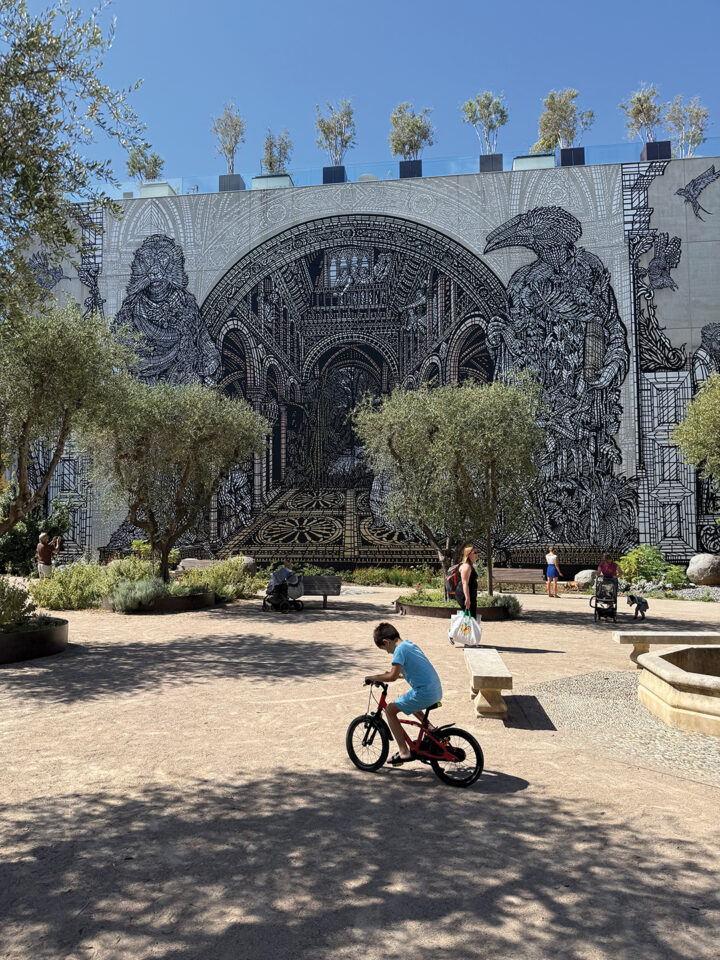
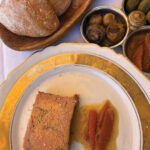
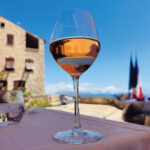
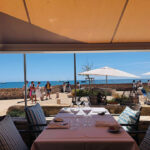
In Antibes, we meandered from the train along the marina to the Picasso Museum, occupying the former Château Grimaldi on the city’s outer ramparts. With views of the sea, Picasso painted masterpieces here which now hang on its walls for us to enjoy. Sated on art, our hunger led us steps away to a perfectly French waterfront restaurant called Les Vieux Murs, where we feasted on foie gras, country pâté, crusty bread, and a deliciously green pistou. The meal and view were perfectly improved by the accompaniment of a chilled local rosé.
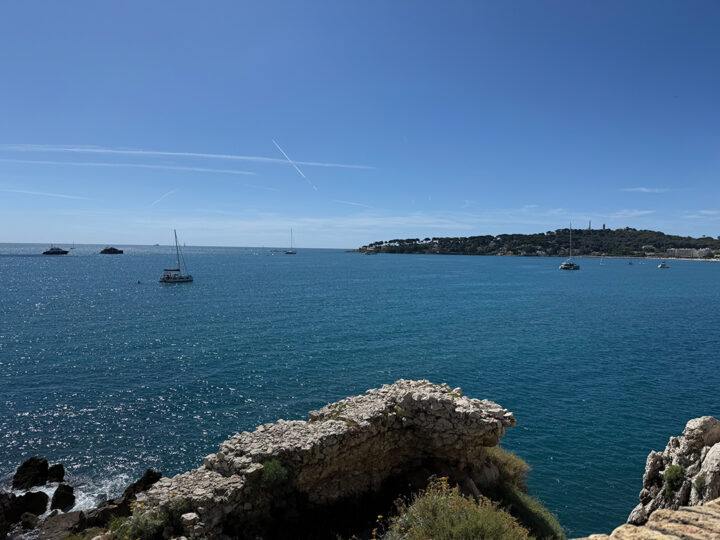


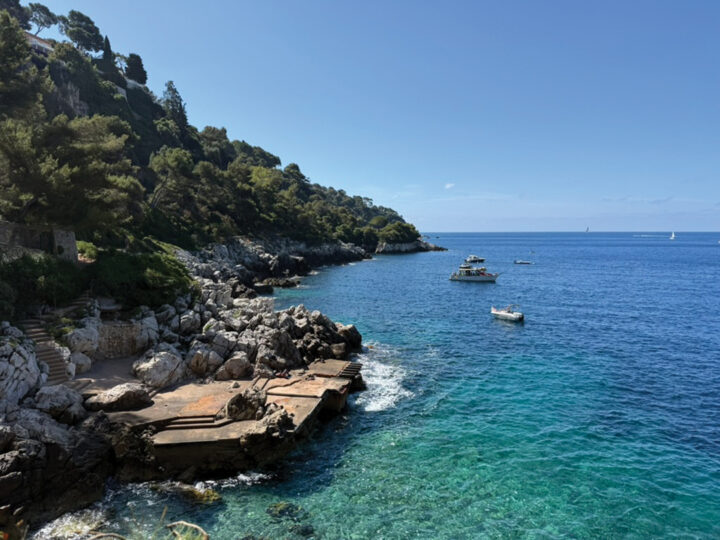
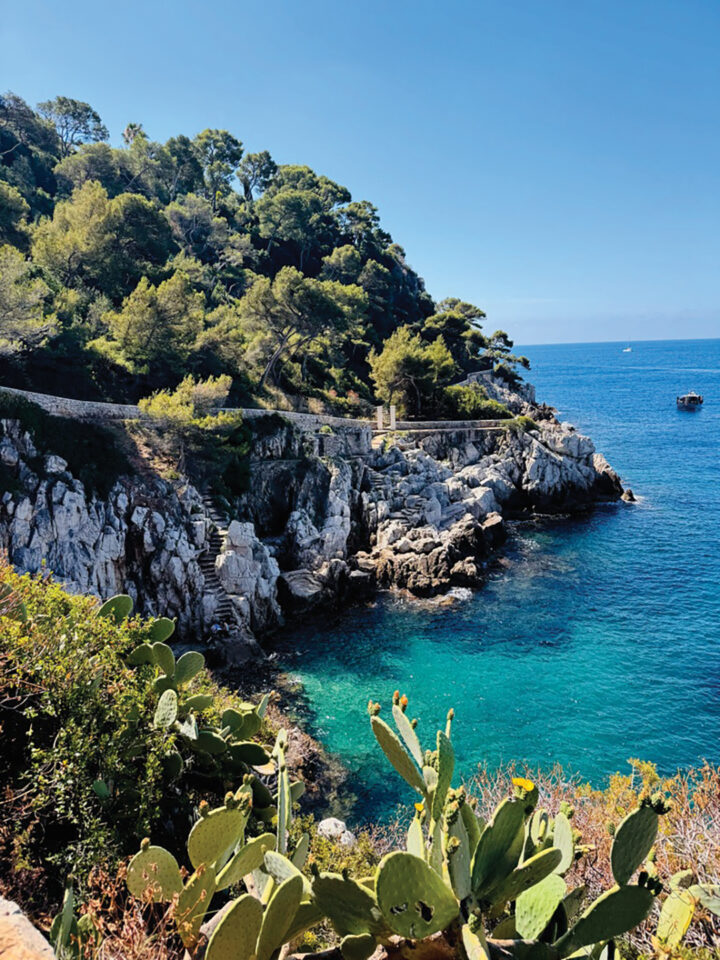
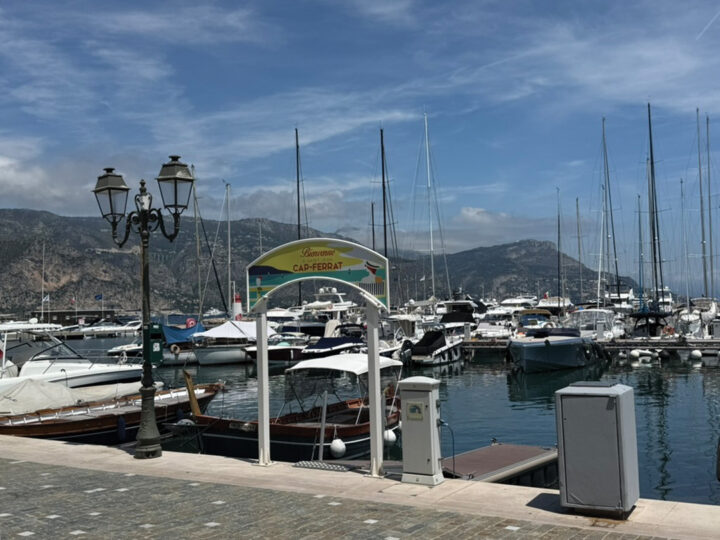
A hike around the point in Cap Ferrat with local friends was another highlight, as we picked our way along a rocky coastal path tracing bluest-of-blue inlets. Yachts and sailboats bobbed nearby as we inhaled the impossible beauty of the craggy coastline.

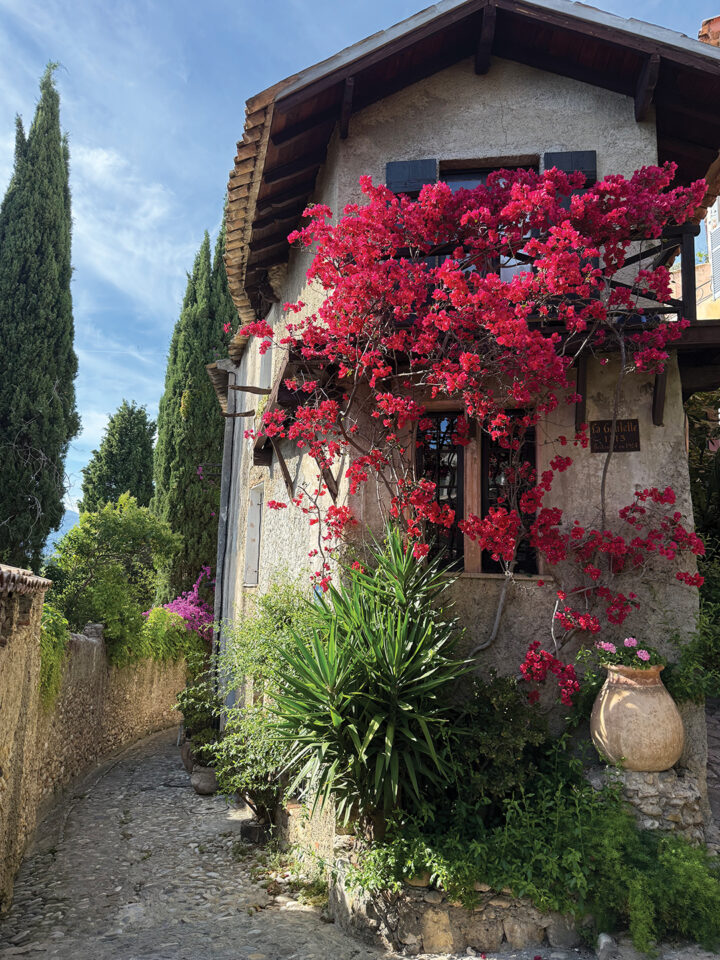
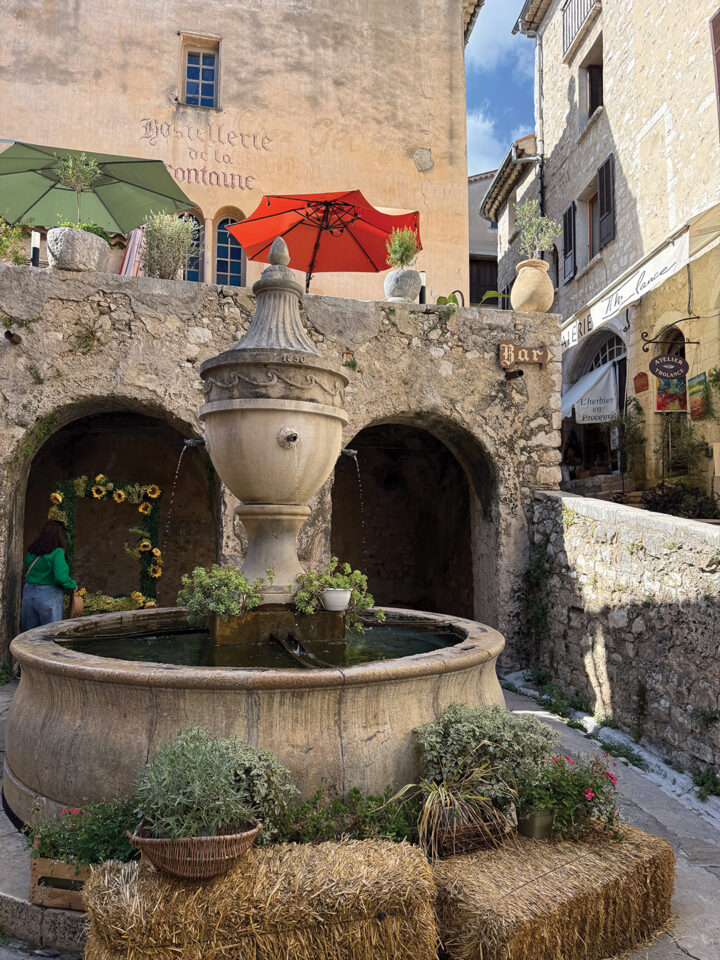
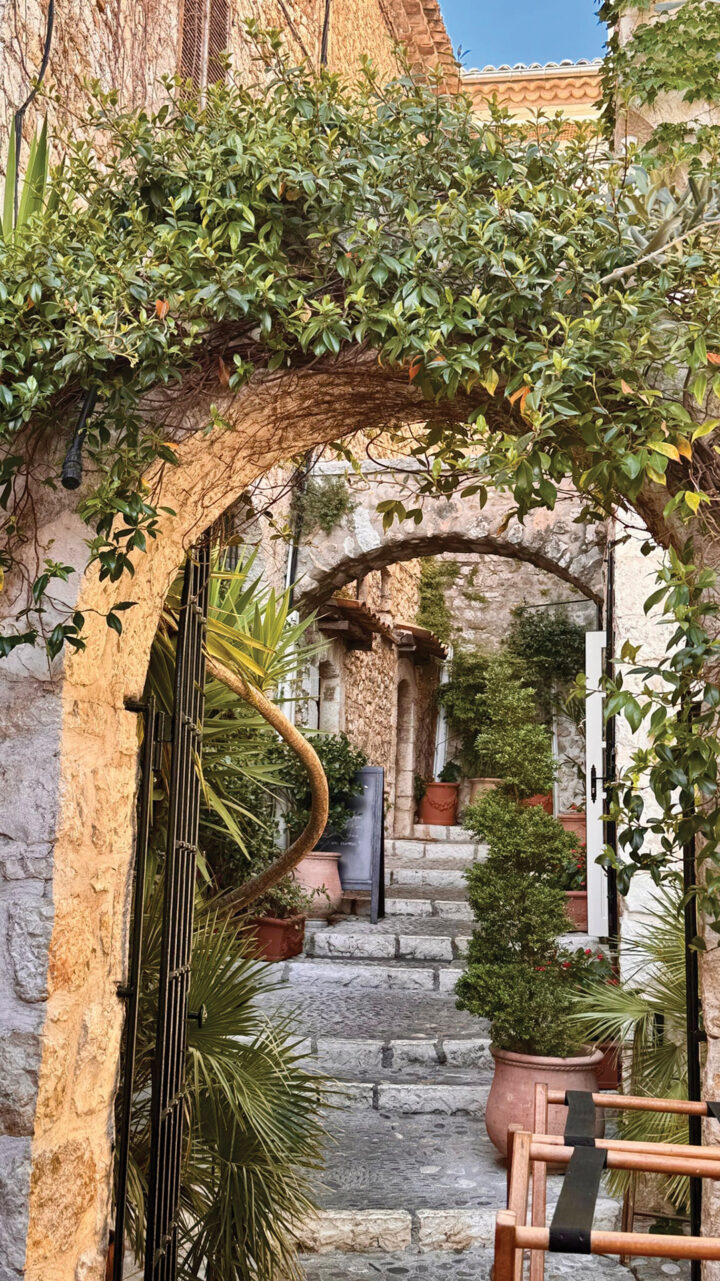
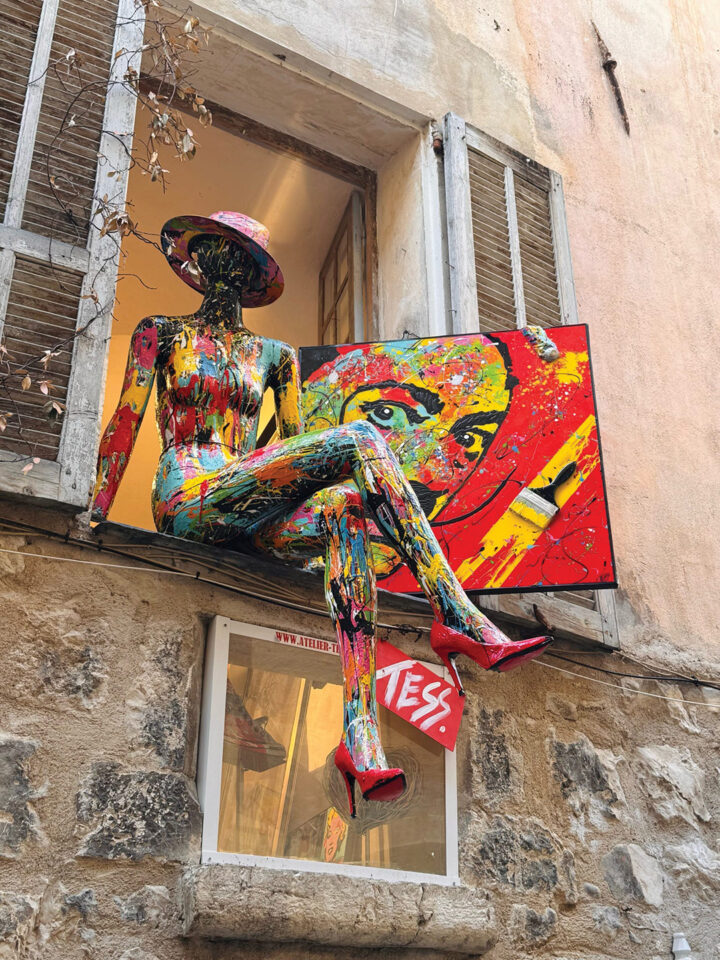
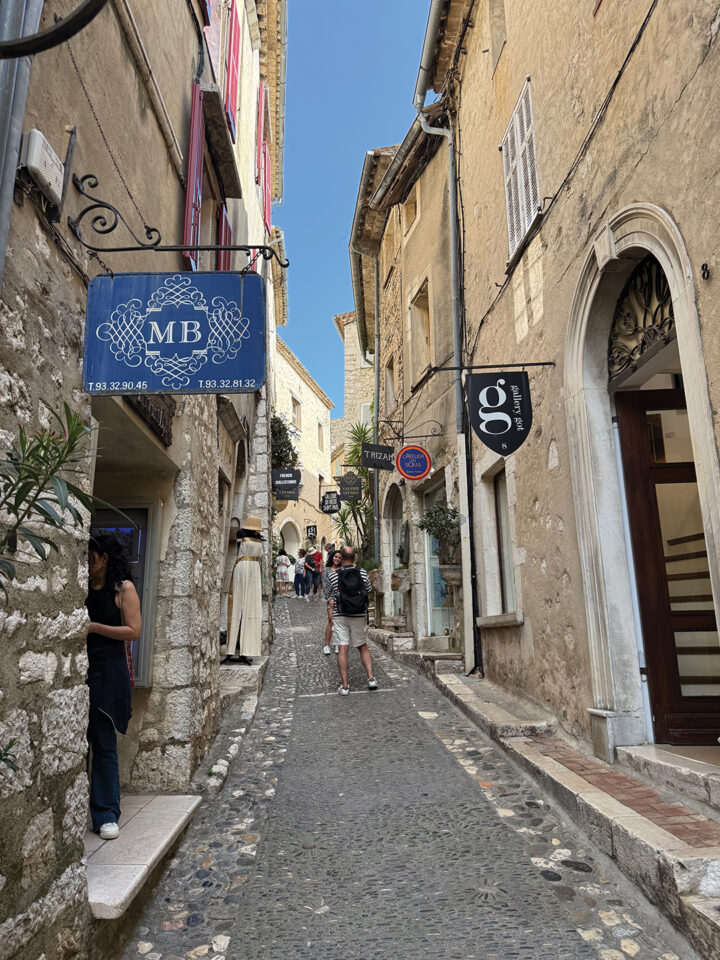
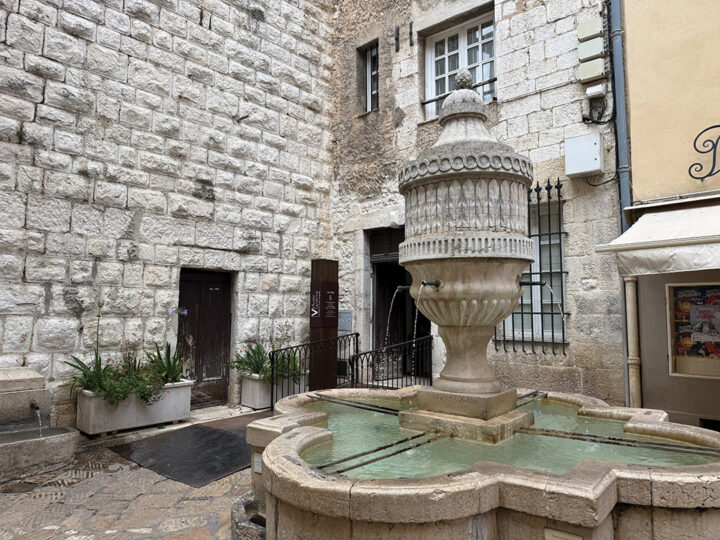
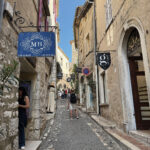
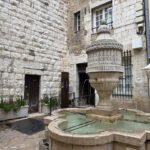
Vence and its more popular sister St. Paul de Vence are both worth seeing for different reasons. Vence is where the locals thrive, its historic narrow streets dotted with shops, bakeries, and restaurants serving its residents and visitors with color and creative appeal. Just across the valley, St. Paul de Vence is the stuff of postcards, magnetic for its winding hilltop streets, ancient stone walls, and perfectly coiffed bougainvillea vines in full magenta bloom.

On our next visit, we have other hamlets to explore including Cannes, Èze, Menton, and Monaco. Friends tell us that although world-famous, Cannes and Monaco are interesting for the sake of saying we’ve been there rather than the quaint charm of smaller towns along the coast and hillsides.
Jon Bailey is a San Diego-based travel journalist, exploring the globe with his husband and their two daughters. For more adventures, visit 2dadswithbaggage.com


Comments