


Dining Review: Roppongi
Veteran restaurateur Sami Ladeki revives La Jolla’s pan-Asian standout
“I’m looking for something blending Mediterranean and Asian cuisines that incorporates some ingredients from local producers. Email me a draft menu when you’re ready and we’ll set up a tasting.”
That is the extent of some restaurateurs’ involvement in the culinary-based creative process preceding an eatery’s debut. And in many cases, that’s more than fine. Generally, restaurant owners possess the skill sets necessary to tackle the complicated business of hospitality, and are content to stay in their lane, allowing the chefs they hire to steer the kitchen and development of the dishes which flow from it. Then there’s the all-in, hands-on breed whose fingerprints are on everything from the blueprints to the balance sheet to the bill of fare.
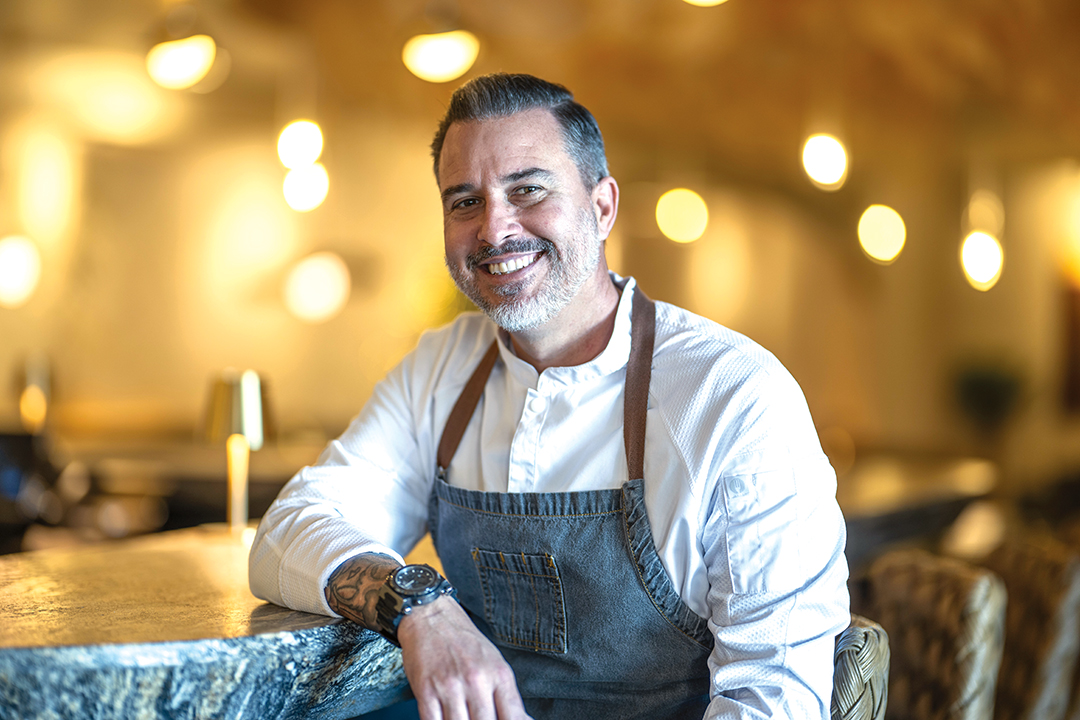
Enter Sami Ladeki. After 37 years, he remains one of San Diego’s most legendary hospitality heavyweights behind a timeless family of restaurants spawned from a single woodfired pizza op bearing (a version of) his name. From 1998 to 2015, that network included Roppongi Restaurant & Lounge, an upscale pan-Asian staple in La Jolla Village. Despite being a bona fide hotspot, sky-high rent made for an infeasible situation, prompting Ladeki to reluctantly bid adieu to his piece of Prospect Street.
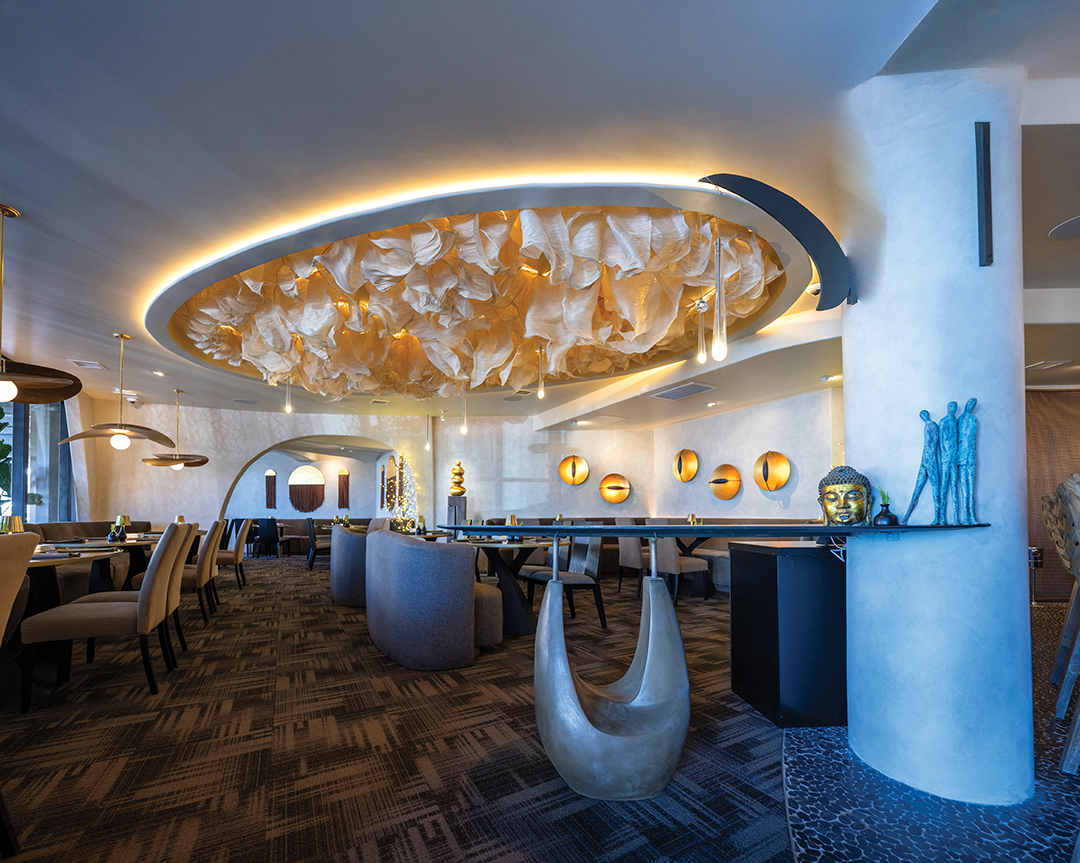
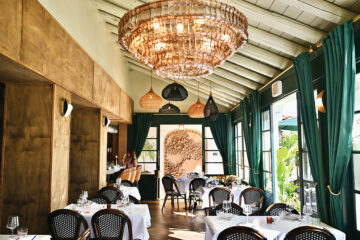
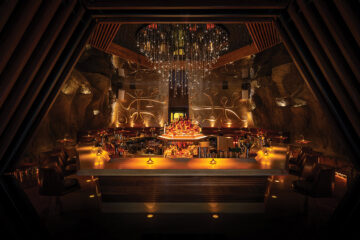
Years elapsed — a full decade — but his clientele’s inquiries about when he would reopen Roppongi remained plentiful. It was enough to inspire a full-scale revival, with Ladeki reinstalling his concept in the very same space where it was born. In doing so he aimed to update its aesthetic, partnering with interior designer Stephanie Parisi to bring in handcrafted oval tables, a leathered quartzite bar, eye-catching ceiling sculptures, nature-rooted wall art, and a pair of worldly fireplace-anchoring Buddhas. The reimagined Roppongi is softer — zen even — with an aura akin to an art museum.
While he was determined to alter the restaurant’s environs, Ladeki was equally gung-ho about bringing back many of the fan-favorite dishes from Roppongi’s first run. He worked directly with his kitchen team (helmed by former Roppongi headman and current Ladeki Restaurant Group exec chef Alfie Szeprethy) to make sure they arrived intact, while also ushering in new offerings, including fried rice, dumplings, and assorted noodle dishes. The result is a menu Ladeki readily admits rivals the length of any other in town, but remains purpose-driven, either in giving longtime fans flavors they’ve missed or expanding their options.
There is no set method for making one’s way through the new menu. A couple could start with an array of sashimi or nigiri (tuna, salmon, eel, sea urchin), then transition to one of eight entrées with fried rice (crab, duck, beef with Chinese broccoli); a larger group might explore a roster of “Asian tapas” that’s 24 items strong, while also sharing dumplings (duck confit, lobster, lemongrass shrimp) or a noodle dish. It’s all fair game and meant to be accommodating. Just be sure you’re ready for whatever you order as service is lightning-fast and it will be there in a matter of minutes.
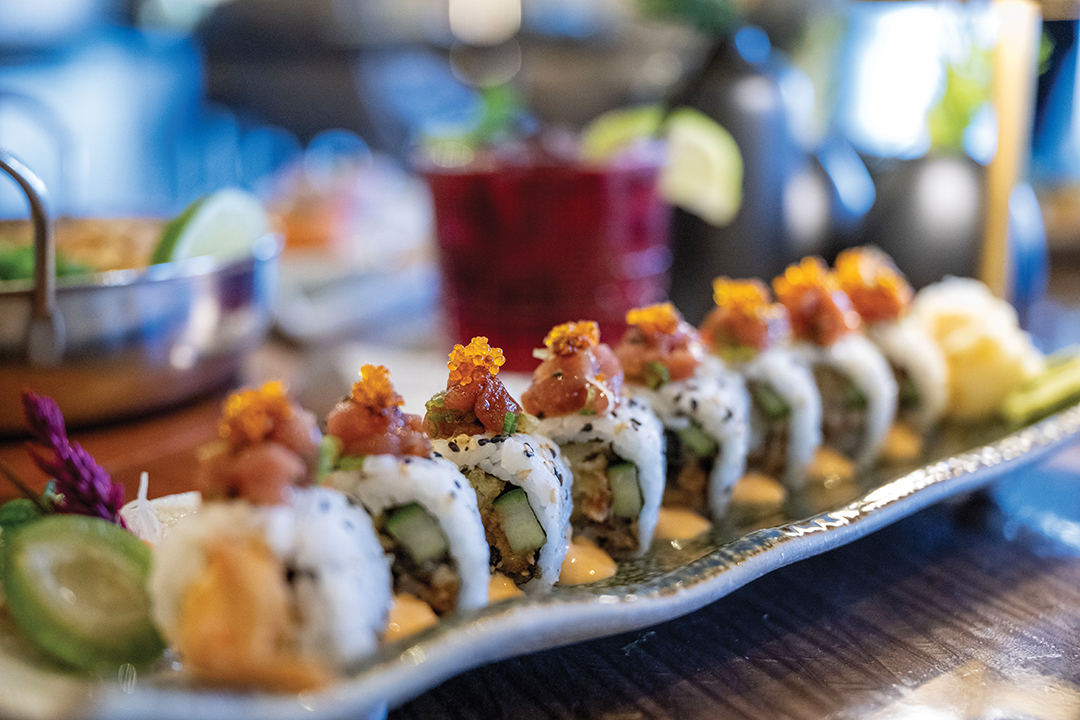
Roppongi’s sushi section includes an octet of rolls, from classics like a spicy “rainbow” (shrimp, salmon, tuna) and a signature number with tempura shrimp, eel, and tobiko (flying fish roe), to crunchy snow crab with avocado and habanero sauce, and a surf-and-turf creation with (plenty of) lobster, steak, and a (smoky Peruvian) anticucho sauce.
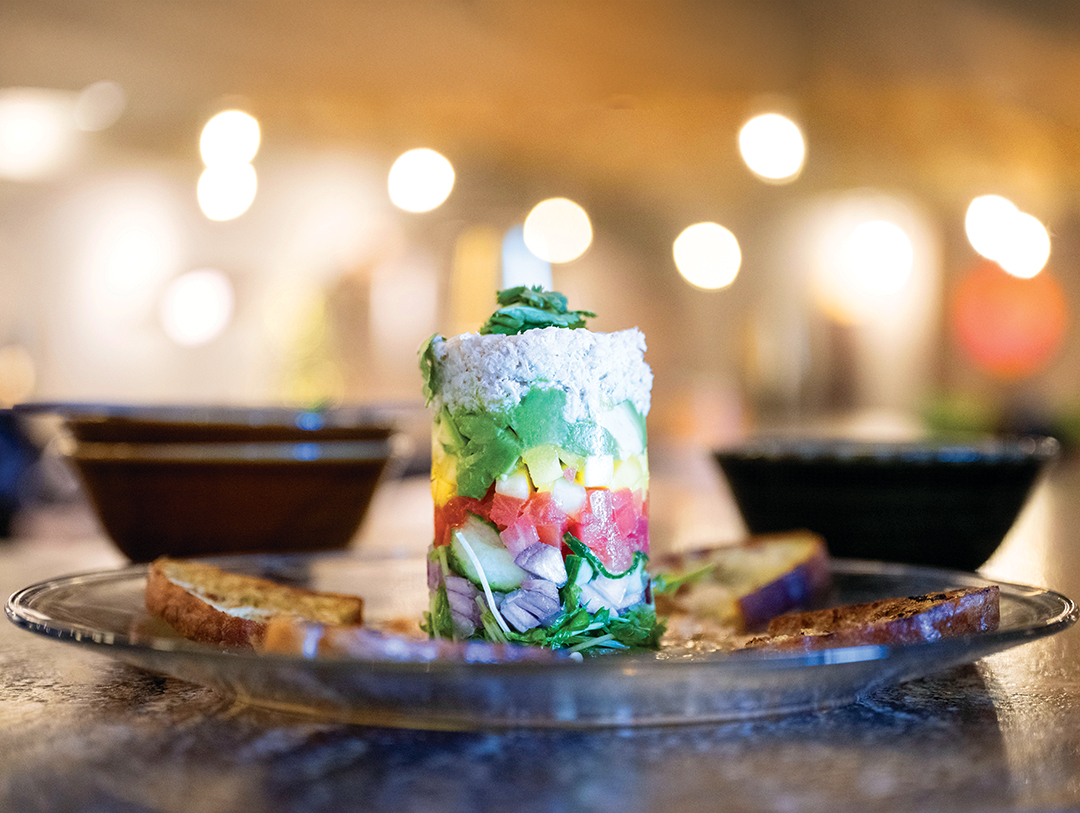
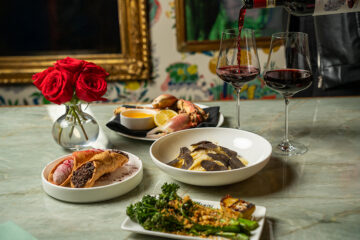
The novella-sized tapas section is home to many of Roppongi’s original dishes, which include a Polynesian crab stack with lump crab in a ginger-lime dressing, crispy onion rings seasoned with togarashi, and strip steak seared atop hot rocks. Spring rolls stuffed with tender Kahlua pork and served with a brightly acidic “Asian guacamole” are impressive, as are immense diver scallops mounted on potato pancakes with an unapologetically rich hollandaise perked up by sun-dried tomato. That throwback foil creates something of a time-capsule effect, making one wonder where those tangy gems disappeared to (and why). Ahi poke, kung pao calamari, hamachi tacos, and dynamite shrimp are also available, and that’s just (some of) the sea fare.
Looking to the entrées turns up another Roppongi 1.0 holdover: Mongolian grilled shrimp with mango salsa. That gem shares space with boneless short ribs, macadamia-crusted mahi mahi in curry sauce, misoyaki cod, and “crying tiger” steak ready for wrapping in lettuce leaves. A large bowl of drunken noodles, rendered smoky with the addition of soft pork belly and given breakfast-like wholesomeness care of a runny egg yolk, would also make for a delicious main course.
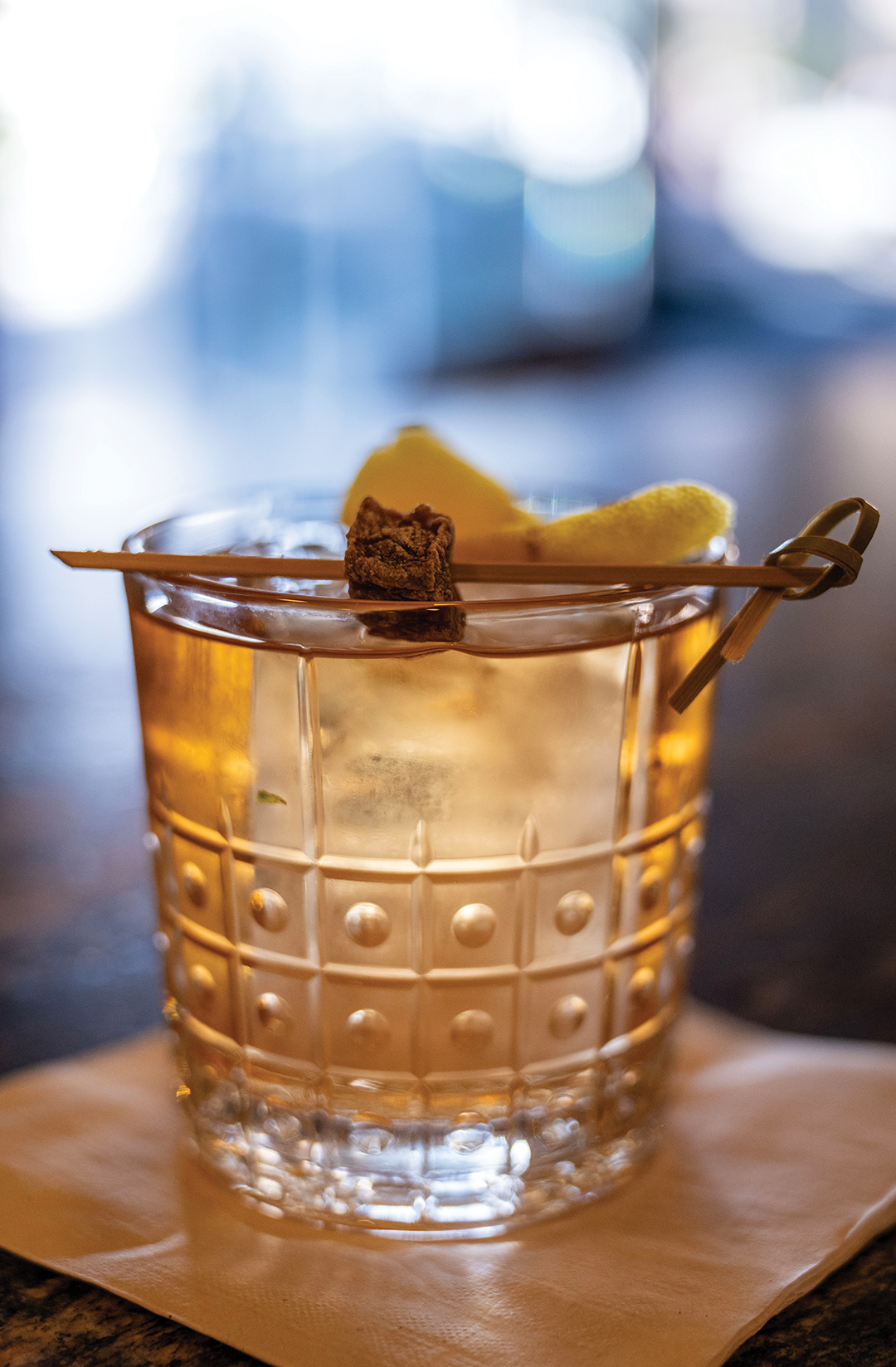
Additions have also been made at the bar, which features solid takes on traditional tipples as well as signature cocktails lent flair care of Asian spirits and ingredients. A whisky sour with yuzu (lemon-like Japanese citrus fruit) comes across floral (like pink roses) from ume (tart plums). Meanwhile, lychee sweetness softens the edge of a martini without sanding it off altogether (read: it still packs a punch). Various Asian spirits — Roku gin, Nikka Coffey grain whiskey — are also available along with a quartet of sakes by the bottle.
It would likely take every page of this month’s issue to cover everything on Roppongi’s menu, but a key CliffsNotes takeaway is that there is tremendous balance across this reincarnated venue’s lineup. Salt, acid, umami, and sweetness (often veering a little heavier into the latter, but pleasantly so) are present in proper measures. On top of that, it’s enjoyable to revisit some preparations and ingredients of yesteryear, especially from a restaurant that maintained such a stellar reputation for the better part of two decades.858.551.5252, roppongiusa.net
Golden Forks
Service: 4
Timeliness: 5
Ambience: 4
Culinary Innovation: 3.5
Food Quality: 4.5
Wine List: 4
Cocktail Program: 4
Value: 3.5
Comments