


San Diego Korean War Pilot Royce Williams to Receive the Medal of Honor
After a 50-year cover-up, a local man’s legendary dogfight against seven MiGs is finally recognized with the nation’s highest military honor
“…I had a MiG smoking and I was on his tail. He was dropping, going slower on his way down, but I ran out of ammunition so there was no reason for me to stay up there. But then this other guy slid in right behind me and as I turned to battle with him, his fire took away a lot of my capability. Fortunately, I was aimed directly toward the task force. We were in a clear area. There were no clouds, but I could see the storm ahead of me. The guy on my tail was in ideal gunner range, shooting away. The whole time I’m doing what I’ve been taught, so I’m using what I have — jam the stick forward, pull it back. I’m going down and up, seeing all these bullets over me then under me…” — Royce Williams, excerpted from an interview Williams conducted with the American Veteran Center in 2021
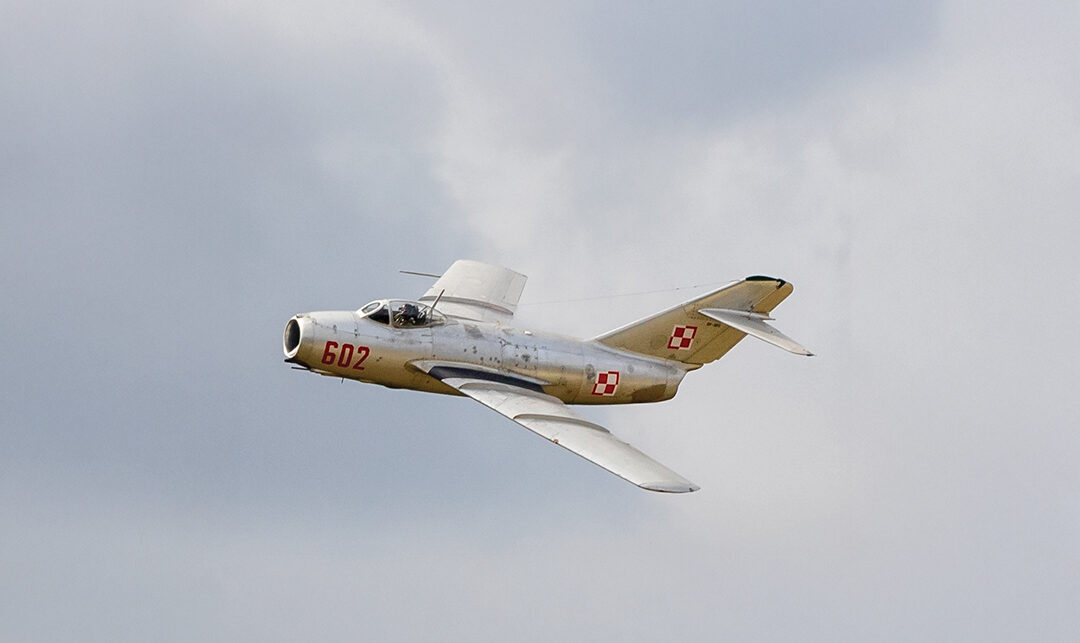
On November 18, 1952, in blizzard conditions during events the U.S government kept secret for 50 years, then-Lieutenant Royce Williams and three other Navy pilots were flying their F9 Panther jets on a bombing mission along the border between North Korea and the former Soviet Union, one of the Americans’ first forays that far north, when Williams spotted seven MiG-15s overhead, planes superior to the American Panthers.
Royce and the others did not know the origin of the MiGs, whether they were North Korean, Chinese, or Soviet. The Soviet Union was not officially a combatant in the Korean War, but given how close they were to the border, it was a possibility.
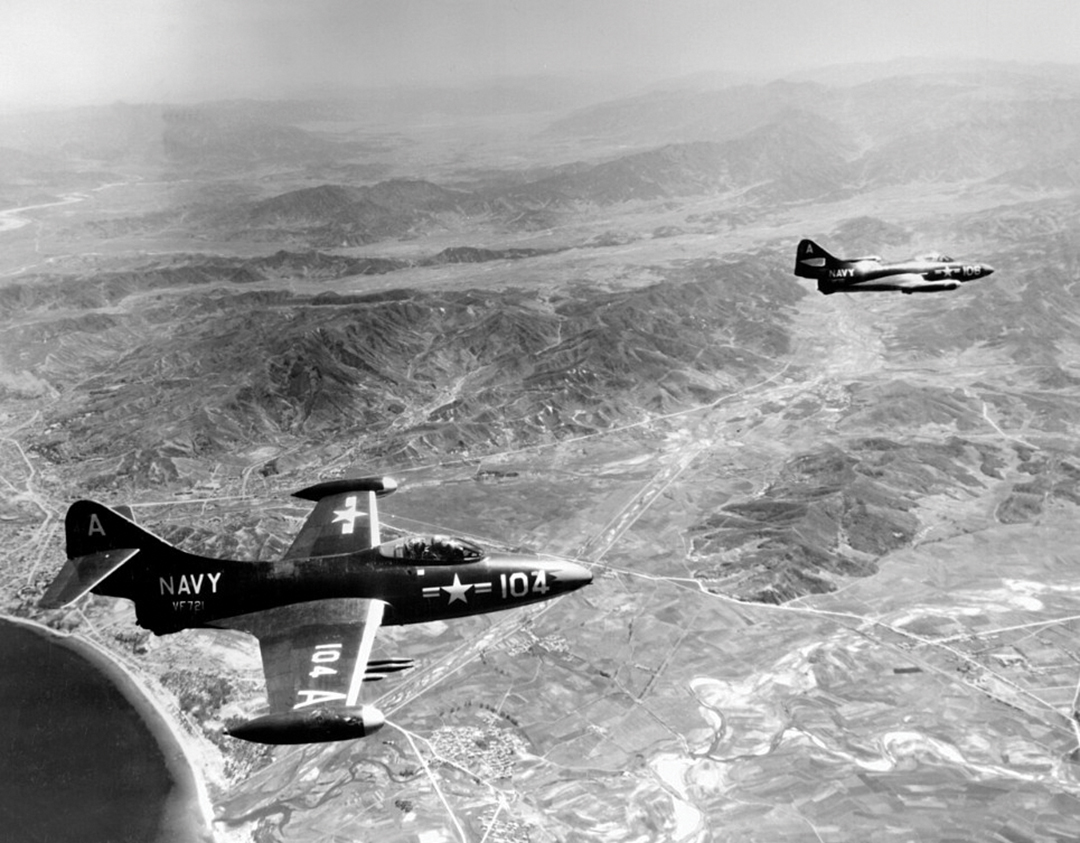
Engine trouble and confusion at the sight of the MiGs caused the three other pilots to turn back to their carrier task force. Williams was ordered back to the task force as well, but by then he reported he was already fighting for his life.
Left in a one-man dogfight with seven MiGs, Williams, who grew up in South Dakota and joined the military in 1941 after the attack on Pearl Harbor, demonstrated both unparalleled skill and heroics, shooting down four MiGs and likely hitting two others.
Thirty-five minutes later — considered the longest aerial dogfight to ever take place — there was only one MiG still in the sky with him, and Williams was finally able to return to the task force as well. He was uninjured, but his rudder and ailerons no longer functioned and there were 263 bullet holes in his Panther jet.
The story of Williams’ dogfight with the MiGs led to his being debriefed by both the Secretary of Defense and the newly inaugurated President Dwight D. Eisenhower, who, with his advisors, made the decision to cover up the battle so as not to draw the Russians further into the conflict if, in fact, the MiGs were Soviet. It was scrubbed from U.S. Navy and National Security records, and Williams was sworn to secrecy.
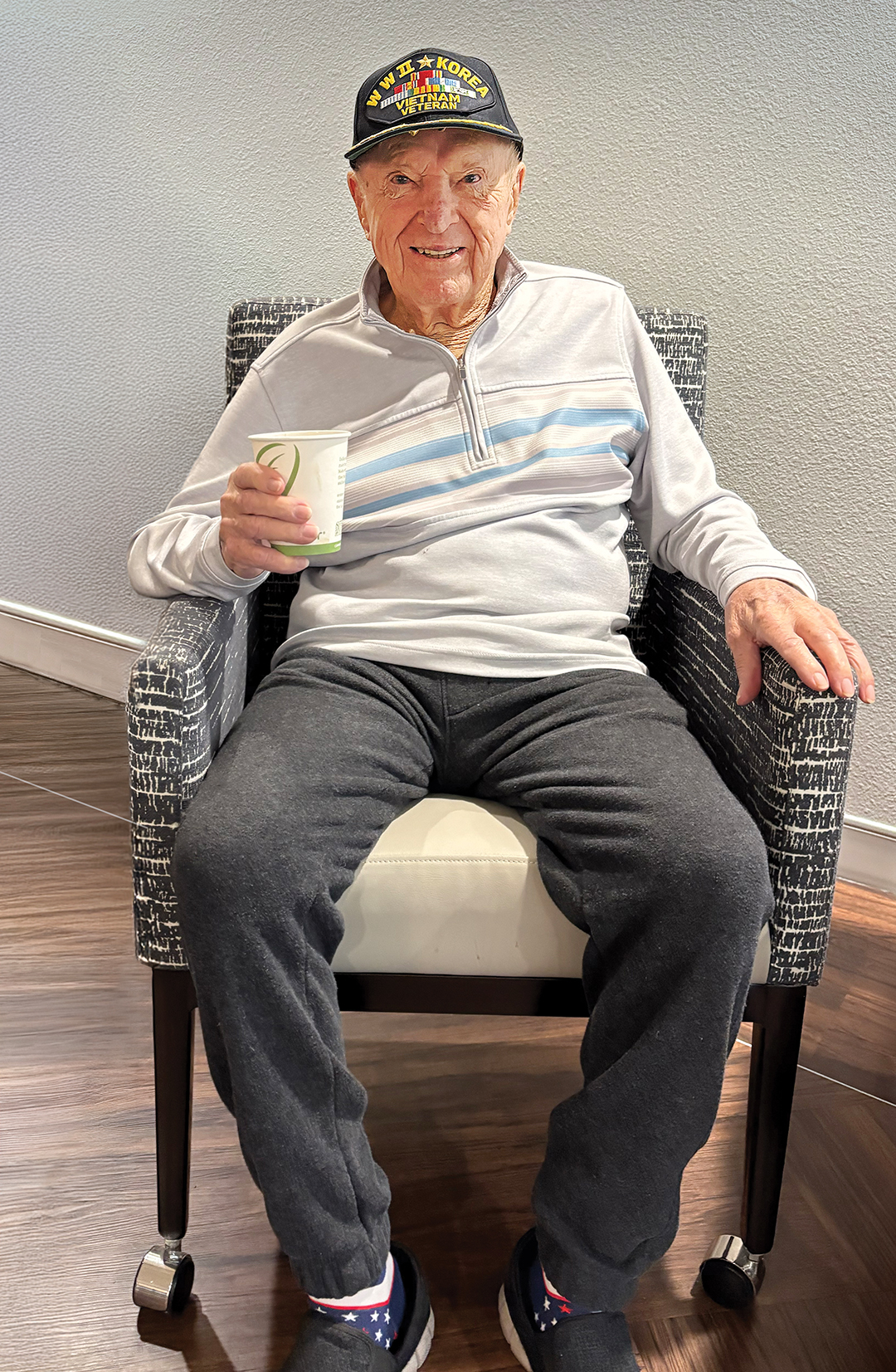
“‘You can never tell anyone. Ever.’ That’s what I was told,” says Williams, who turned 100 last year. He will soon be traveling from his home in Escondido to Washington, D.C., to receive the Medal of Honor, the military’s highest award, given to those who distinguish themselves “through conspicuous gallantry and intrepidity at the risk of life above and beyond the call of duty.”
Williams never even told his wife or Navy pilot brother about the incident until the records from the Korean War were officially declassified in 2002.
“My brother didn’t learn about it until later. We were at Miramar, talking with a Marine brigadier general. Somebody there was aware of [the dogfight] and asked me to talk about it, so I said okay. My brother was in the group and that was the first he heard of it,” Williams says with a laugh.
When asked what his wife said when she first heard, he smiles and replies, “‘Oh, Royce.’”
Although Williams’ heroics were erased from U.S. records, they were documented in Soviet archives, and after the dissolution of the Soviet Union in 1991, word of his exploits began to leak out. It was Soviet records that confirmed six of the seven MiGs Williams encountered never returned to base.
“That’s what triggered it all,” Williams says, referring to the campaign waged over the last three decades by those who have known what he did that day to award him the Medal of Honor.
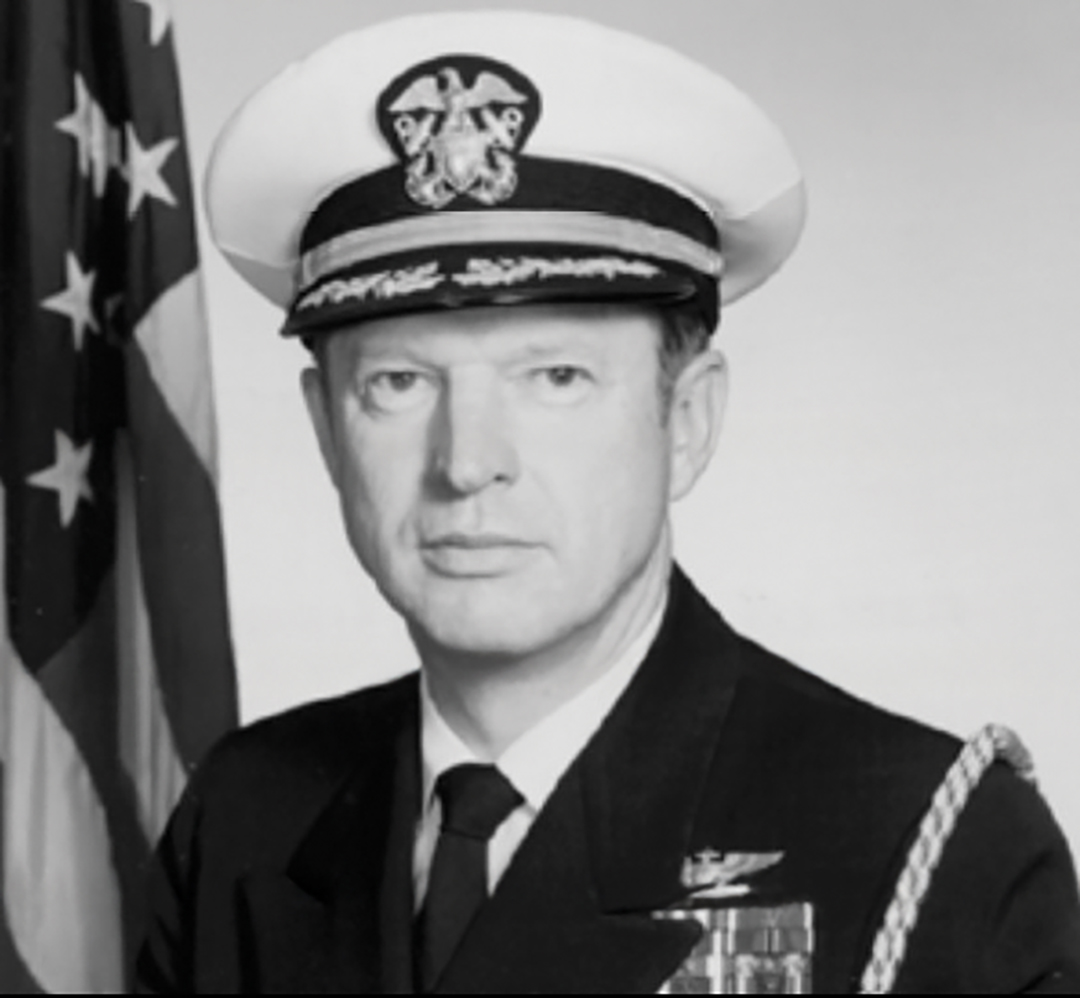
Williams served in the Navy for a total of 37 years, retiring as a captain in 1980. The official records from that time stated that he shot down one enemy plane and damaged another, neither of which were identified as Soviet.
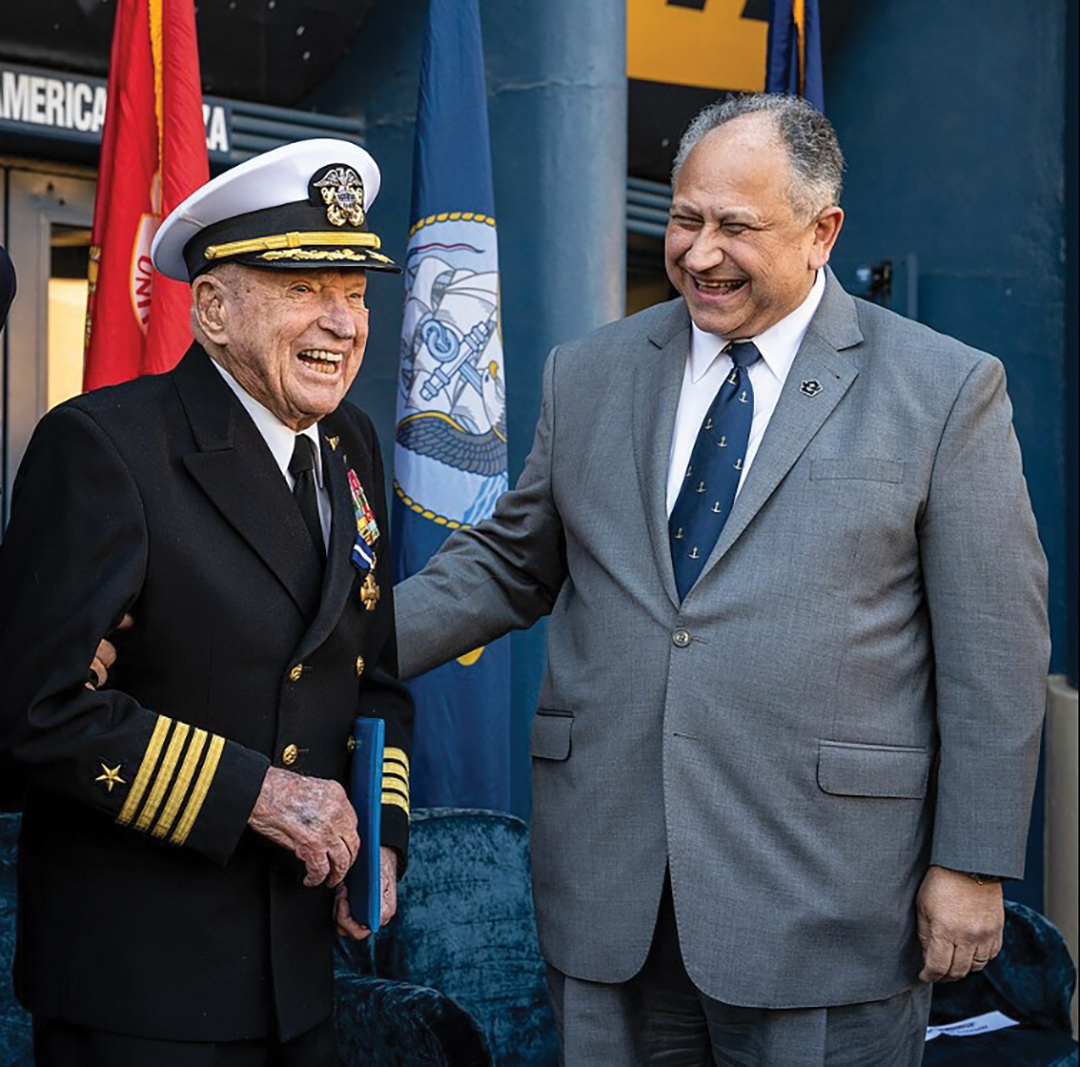
In January 2023, Williams received the Navy Cross, from then-Secretary of the Navy Carlos Del Toro, and this past December, Congress passed the 2026 National Defense Authorization Act, which removed any time constraints in considering Williams for this highest of military honors.
“…luckily, I got into the clouds and we lost sight of each other. My next thought was how bad off am I. Am I going to have to jump out of this airplane? Even in my immersion suit I would last maybe 20 minutes. So I stayed with it; flew instruments. I was thinking I might have to jump at any moment, but that didn’t happen. I just let on down until I was underneath the clouds, but then I see this ring of ships. The task force was in general quarters, expecting attack from the MiGs. Their guns were free, meaning they could shoot at any unidentified airplane. I was unidentified and they shot at me. But my commanding officer was just taking off. He saw what was going on and called off the destroyers. [Still,] I didn’t have the ability to maneuver over and come back and align with the ship … I never heard of this before, but the captain turned the ship to line up with me. I came in under landing signal officer control, caught the number three wire, and it was pretty much normal from that point.”




Comments