


Rancho Santa Fe nonprofit brings elite special operators’ voices to Capitol Hill
Founded by local resident Dominique Plewes, a new congressional fellowship program connects lawmakers with real-world insight from U.S. special operations veterans
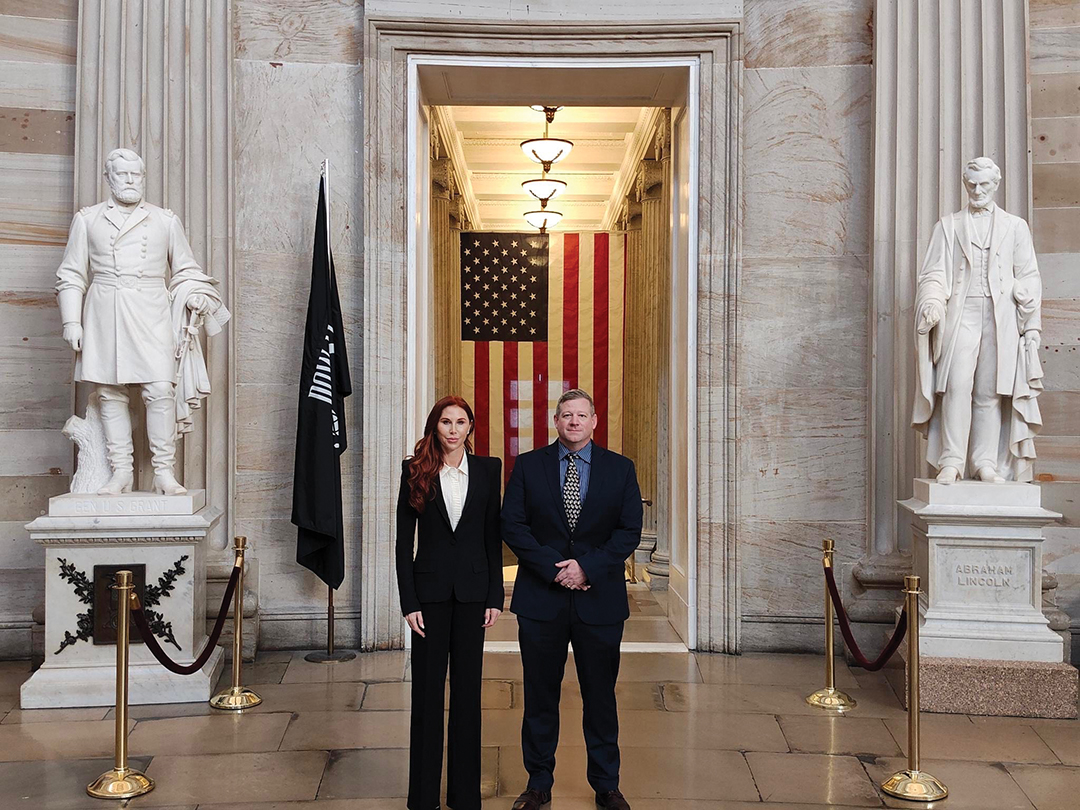
In recent years, the U.S. military has increasingly engaged in activities in the “gray zone,” a term used to describe military operations that take place in the ambiguous space between peace and war that are designed to undermine an adversary’s influence without resorting to conventional warfare. These operations include cyber warfare, disinformation campaigns, economic coercion, and proxy forces to destabilize adversaries without triggering open conflict, and with this shift in tactics, there has been an ever-increasing reliance on Special Operations Forces, from Navy SEALS and Army Rangers to Green Berets and others.
“Former special operators have unique experiences and skills,” explains Dominique Plewes, chair of the Special Operations Forces Support Foundation. “These individuals have worked in multiple countries with our partner forces, interacting with officials at the highest levels.”
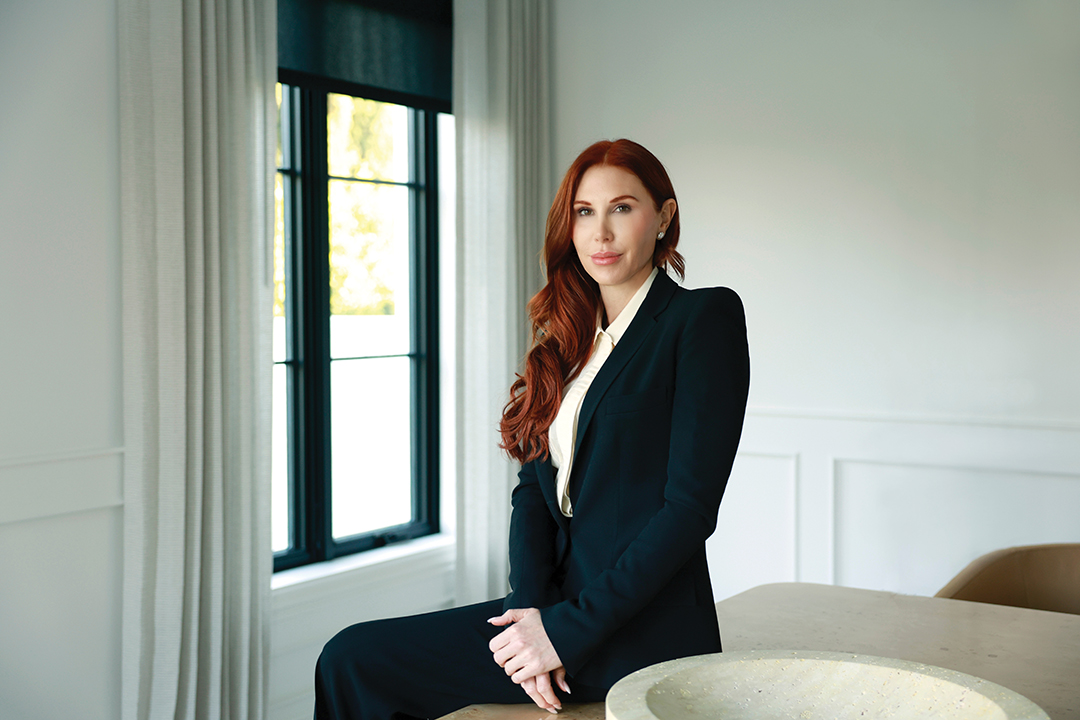
At the same time, as Plewes notes, many congressional staffers are in their twenties or thirties. “They don’t have that kind of experience so when they are briefing a senator or congressman, they’re often just repeating what they read on the internet or in a white paper from a think tank.”
Plewes, who lives in Rancho Santa Fe, has been involved with the special operator community for more than a decade, and founded the Special Operation Forces Support Foundation in 2017, along with Jeffrey Strauss, owner of Pamplemousse Grille, and a few others who prefer to remain anonymous.
The organization’s initial focus was providing emergency support and privatized mental health care to SOF members and their families. “But we kept seeing these veterans returning from deployment, and we kept treating them and their families for the same issues — issues that arise from 20 years of war,” says Plewes. “I wanted to do more than treat the symptoms. I wanted to better understand the root causes of the conflicts.”
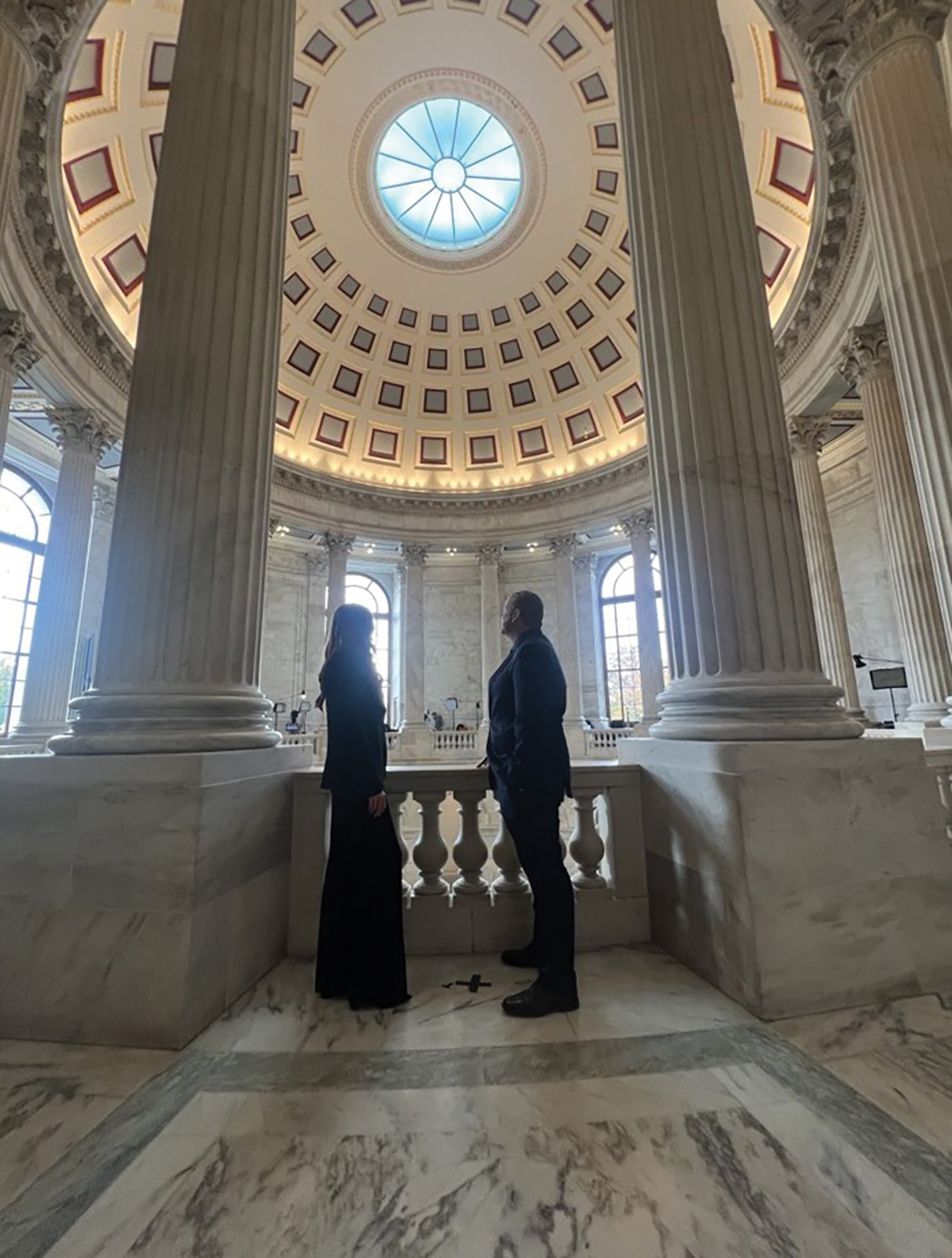
Plewes has travelled to Jordan, Syria, and Iraq multiple times. She has also been to Honduras, Guatemala, El Salvador, Ukraine, and Indonesia. During these visits, Plewes has had the opportunity to meet with numerous special operators, becoming acutely aware that their “on-the-ground perspective” often differed dramatically from that of those who work on Capitol Hill.
The United States Armed Forces are made up of highly trained professionals, and our special operators are the best of the best. As Plewes sees it, there was a missing link. “At one time, 70 percent of Congress members had served in the military. That figure now stands at only 20 percent,” says Plewes. “These special operators are our most elite service members. They have experience and insight like few others.”
Unleashing that potential and enabling former special operators to lend their perspective to lawmakers was precisely the reason the foundation established its new Congressional Fellowship program.
And it is not just perspective. “Over their 20-year careers, our special operators have built relationships around the world,” Plewes adds. “Depending on the country, we have people who can pick up the phone and call someone right there at any time.”
In terms of the new program, the foundation aimed to enroll five people and evaluate its effectiveness. They started close to home, placing a fellow with Congressman Ken Calvert, who represents California’s 41st District, centered in the Palm Springs region.
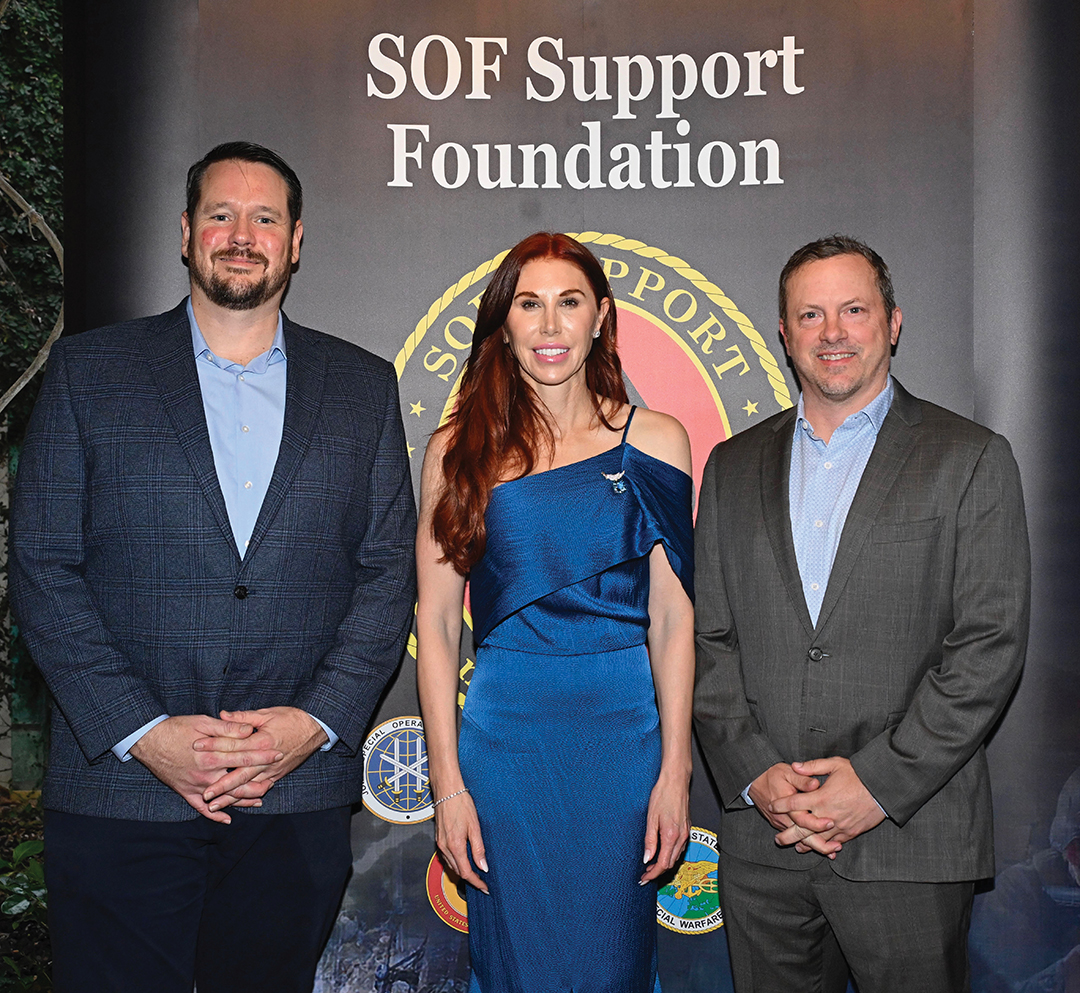
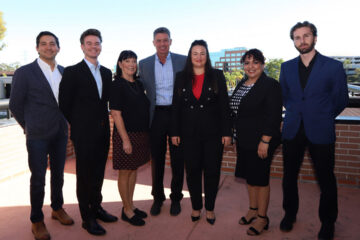
SOF Congressional Fellows
Even before the special operator finished his fellowship, Representative Calvert’s office was already asking for the next fellow, and the foundation has had similar experiences with its other fellows. “Now, we’re getting requests from both Democrats and Republicans, from Senator Warnock’s office to Senator Kennedy’s office,” says Plewes.
The program tries to match fellows when it comes to both expertise and geographic location. It is a symbiotic relationship, with some graduates of the program choosing to take permanent jobs “on The Hill,” while others have moved on to positions in the defense industry or their home state.
The primary constraint at this juncture is funding. The cost of providing a former special operator and their family with a year-long residence in the Washington, D.C., area is roughly $100,000.
“If we had the support, I could place 20 fellows tomorrow,” says Plewes of the program she and her partners at the foundation are working hard to expand. sofsupport.org

Comments