


Where the Next Mission Begins
The Honor Foundation continues to expand in support of those who’ve served
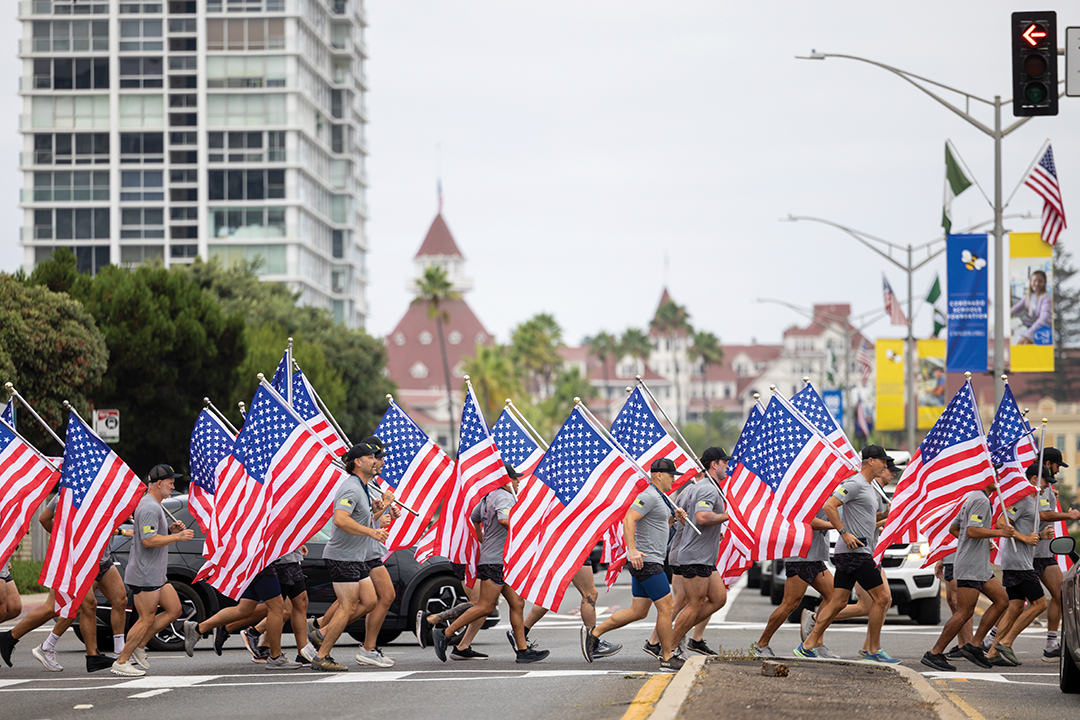
For America’s most elite warriors, service is never a job. It is a calling, an identity, and a way of life forged through sacrifice, discipline, and shared purpose. But when the uniform comes off, whether due to retirement or injury, that identity disappears overnight. For thousands of Special Operations Forces (SOF) each year, the transition to civilian life is less a homecoming than entry into uncharted territory.
Nearly half a million active-duty service members and veterans live in San Diego County, and one of the greatest challenges they face is making a successful transition into civilian life once their service is complete. Many organizations across the region are working to address this issue, and one notable success story is The Honor Foundation, which has grown remarkably since its founding 12 years ago.
“We’ve gone from four campuses to 12 campuses, including two virtual campuses,” says Kelly McGraw, the foundation’s chief impact officer, who is married to a retired Navy SEAL and who has been with the organization since 2020. “We’ve also more than doubled the number of individuals and families we serve on each campus.”
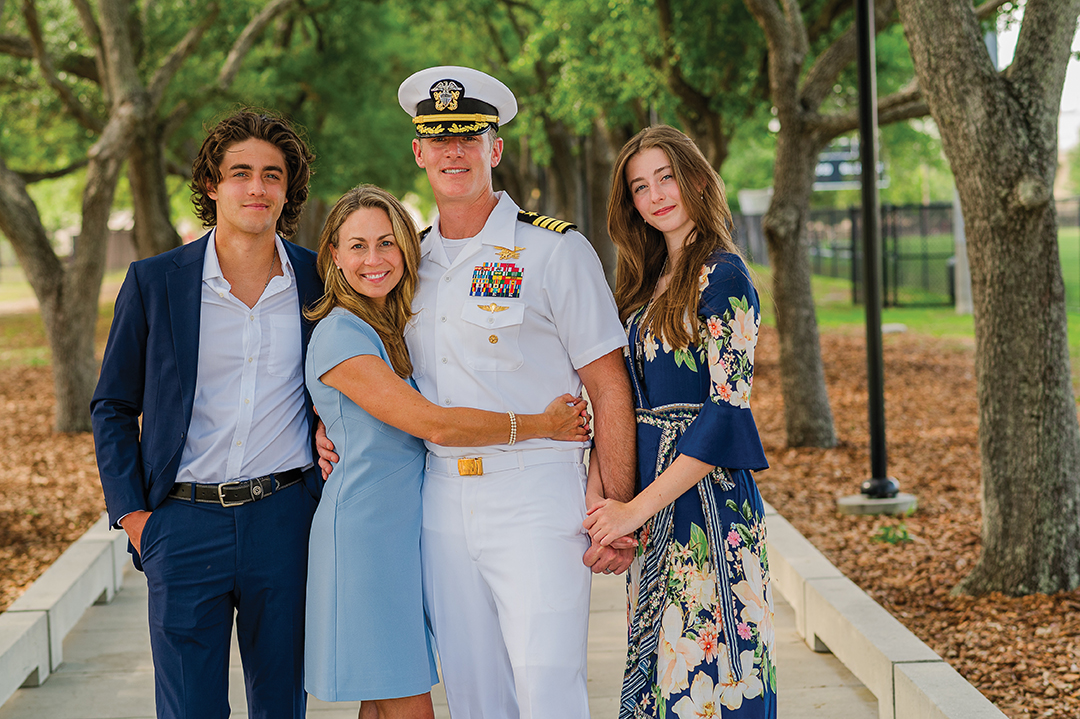
Still headquartered in San Diego, the foundation has expanded nationwide, with sites in locations accessible to special operations of all branches of the military. “Our target audience is active duty who’ve made the decision to separate or retire and are 12 to 18 months before that date,” says McGraw.
At the heart of the organization is its flagship fellowship program, a rigorous three‑month experience designed for active‑duty SOF operators. Fellows participate in evening workshops focused on professional development, personal storytelling, financial literacy, and career exploration. And just as important, they confront the deeper challenge of identity: learning how to carry the values and leadership forged in uniform into civilian life.
At the same time, the foundation recognizes no warrior transitions alone. Military service is a family commitment, and the challenges of transition extend beyond the retiring service member. In response, two years ago, The Honor Foundation launched Transition Is a Team Sport, a workshop designed for spouses and partners. The program provides tools and community, helping families navigate identity shifts, career changes, and the realities of post‑service life together.
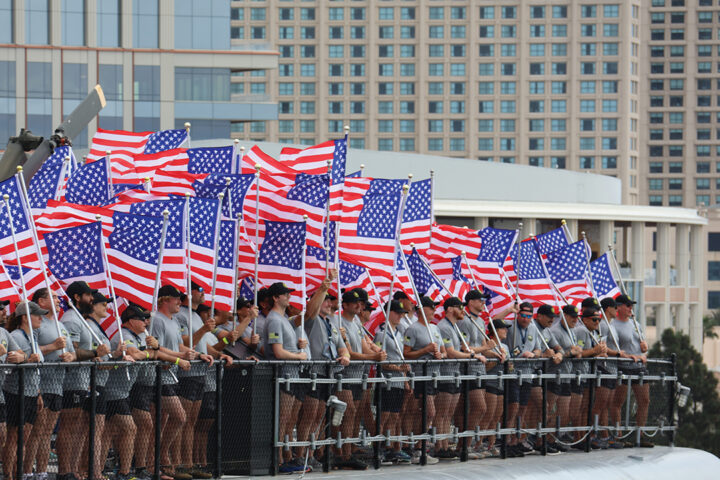


“In the beginning we were serving about 30 people a year. Now, at each of our ten physical campuses, we serve 70 to 80 fellows along with their partners and spouses,” says McGraw.
In addition, Vector Accelerator, the foundation’s free online platform, offers a virtual campus where service members and veterans across the military — not just those in special ops — can access the foundation’s courses and move through them at their own pace.
“What makes the program truly powerful is the community that surrounds it,” says Hugh-Michael Higgs, a 30-year Navy SEAL veteran who is now The Honor Foundation’s director of programs in San Diego. Like Higgs, alumni frequently return as mentors and instructors, creating a self‑sustaining network rooted in trust and shared experience.
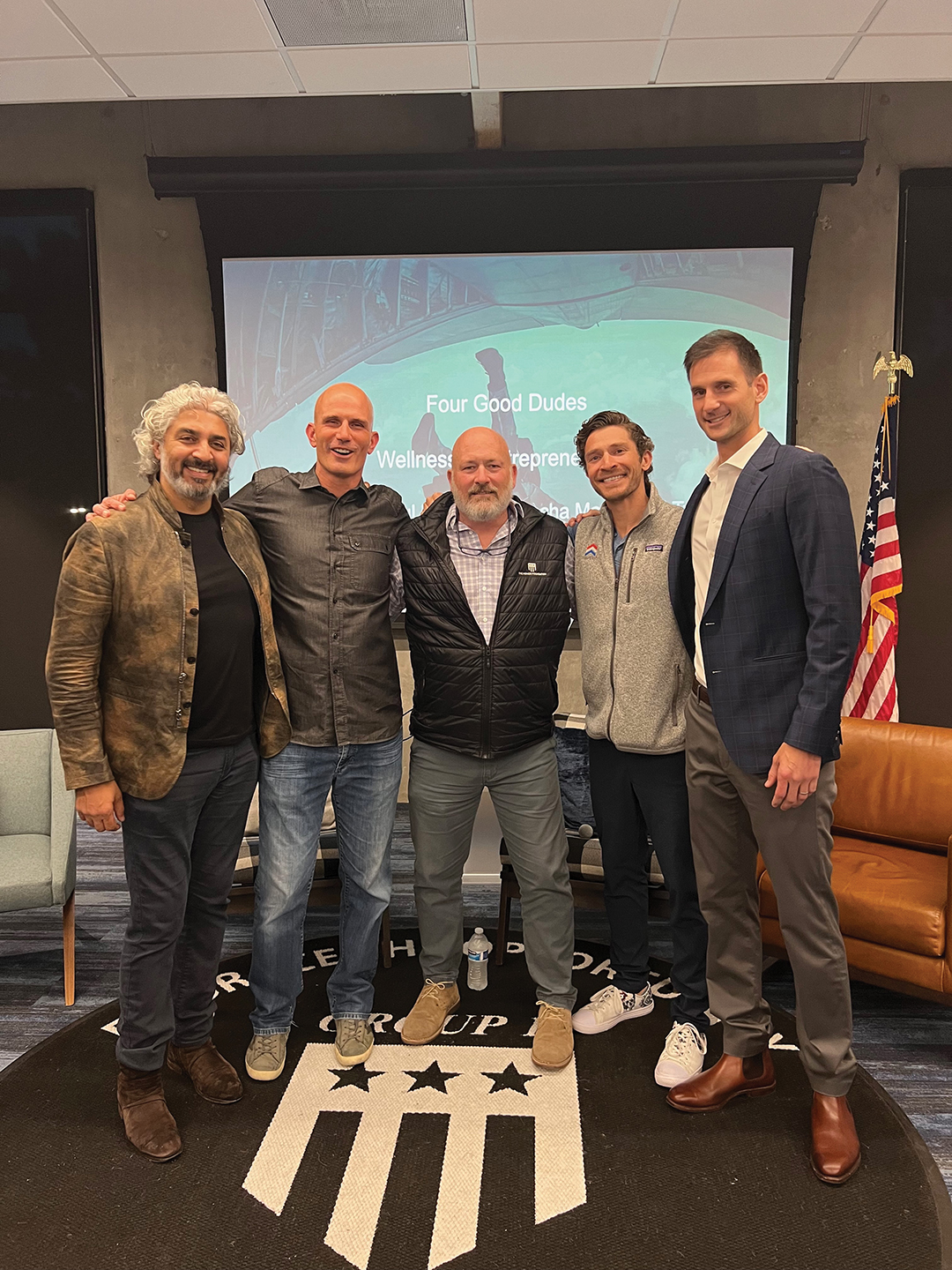
Dr. Tyler Forbes, Breathe Degrees; Michael Higgs, The Honor
Foundation; Justin Nahama, Veterans Fund; Paul Pintek,
Merrill Lynch & Entrepreneurs Organization
“Clarity of purpose is one of the greatest gifts of military service. It is also one of the things veterans miss the most when they leave it,” says Higgs. “Here, our fellows are supported by an extraordinary network of volunteer coaches, mentors, faculty members, corporate partners, and donors who believe deeply in helping these veterans succeed.”
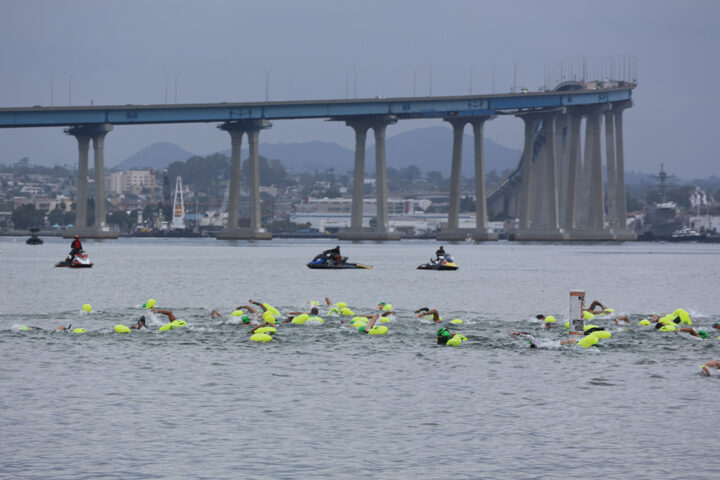
To learn more about the foundation and its signature fundraising event, Swim for SOF, held each September, visit The Honor Foundation’s website. honor.org


Comments