

Photographer Jim Frank’s unseen images capture Hollywood’s golden nightlife of the 1970s and ’80s
From Muhammad Ali and Elizabeth Taylor to roller discos and Hollywood parties, the Rancho Santa Fe photographer’s newly digitized archive reveals a remarkable era of entertainment history
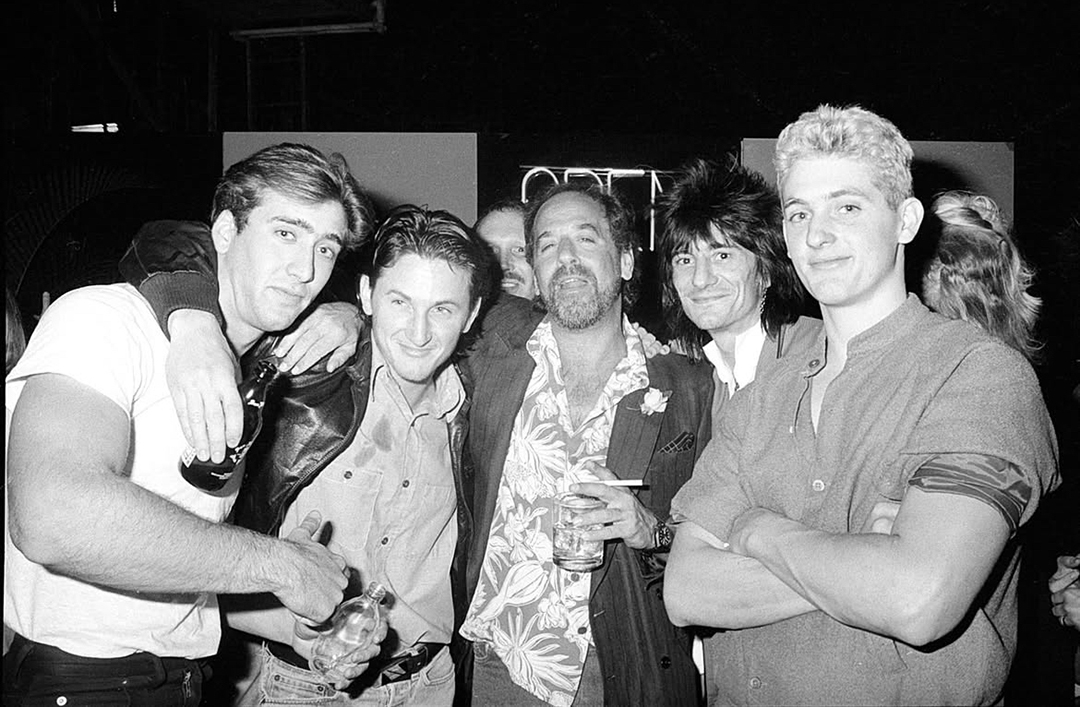
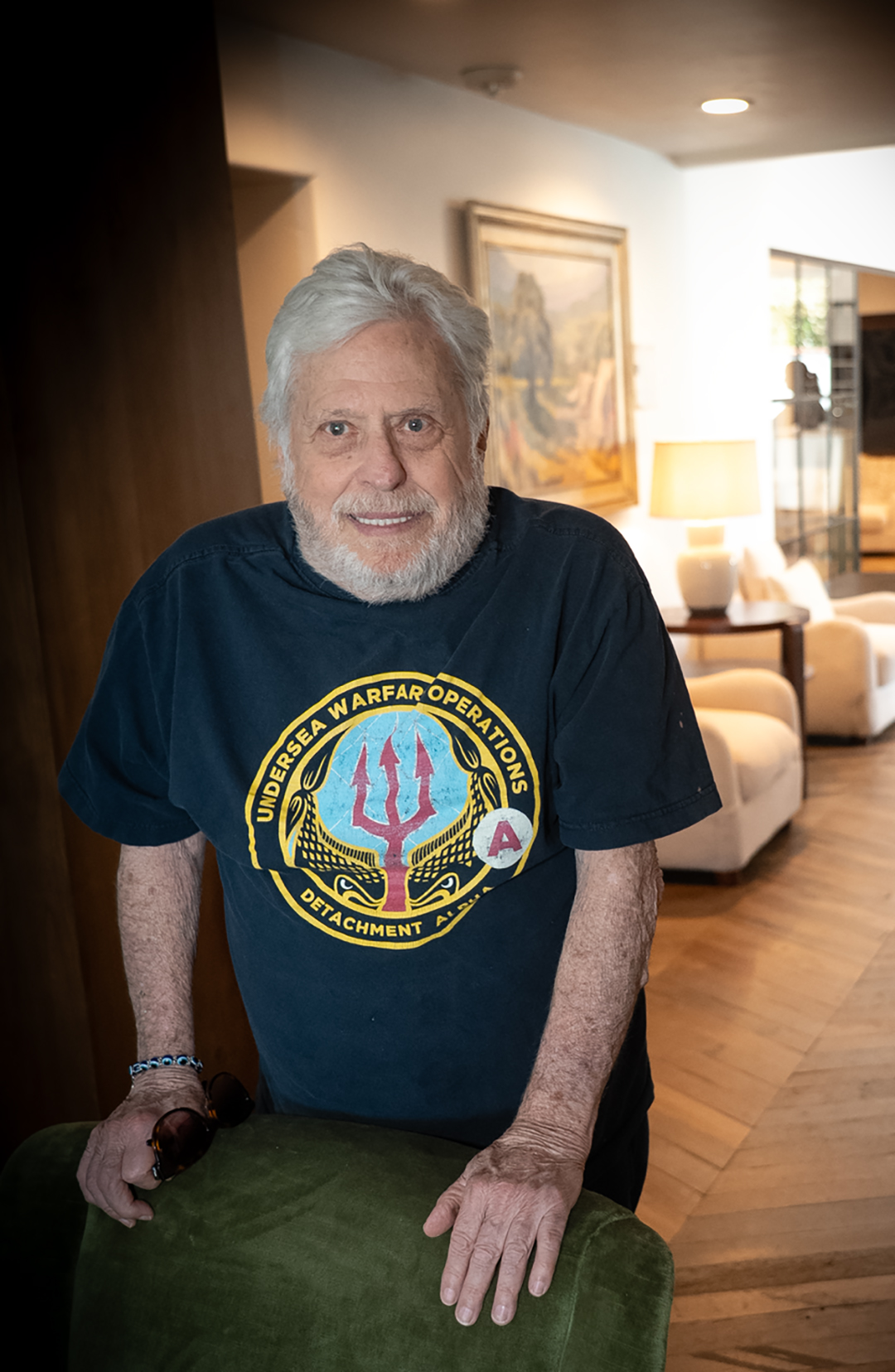
They say if you remember the 1960s, you weren’t there. Photographer Jim Frank, however, was very much there, and in the ’70s and ’80s as well. Frank, who has works featured on permanent display at The Inn in Rancho Santa Fe, is renowned for capturing the vibrant, iconic Hollywood scene during the 1970s and 1980s. With a keen eye for detail and a passion for visual storytelling, Frank chronicled a transformative era in entertainment, shooting nightly for a decade, often attending two or three events an evening.
“And that was film,” recalls Frank, now 81. “For the Academy Awards, I had three or four hours to master and caption the images before handing them off to a stewardess I knew who would take them on a plane to New York.”
In those days, Frank was almost as recognizable as the stars he photographed, often cruising down Mulholland Drive in his Volkswagen Thing with his Doberman Pinscher by his side.
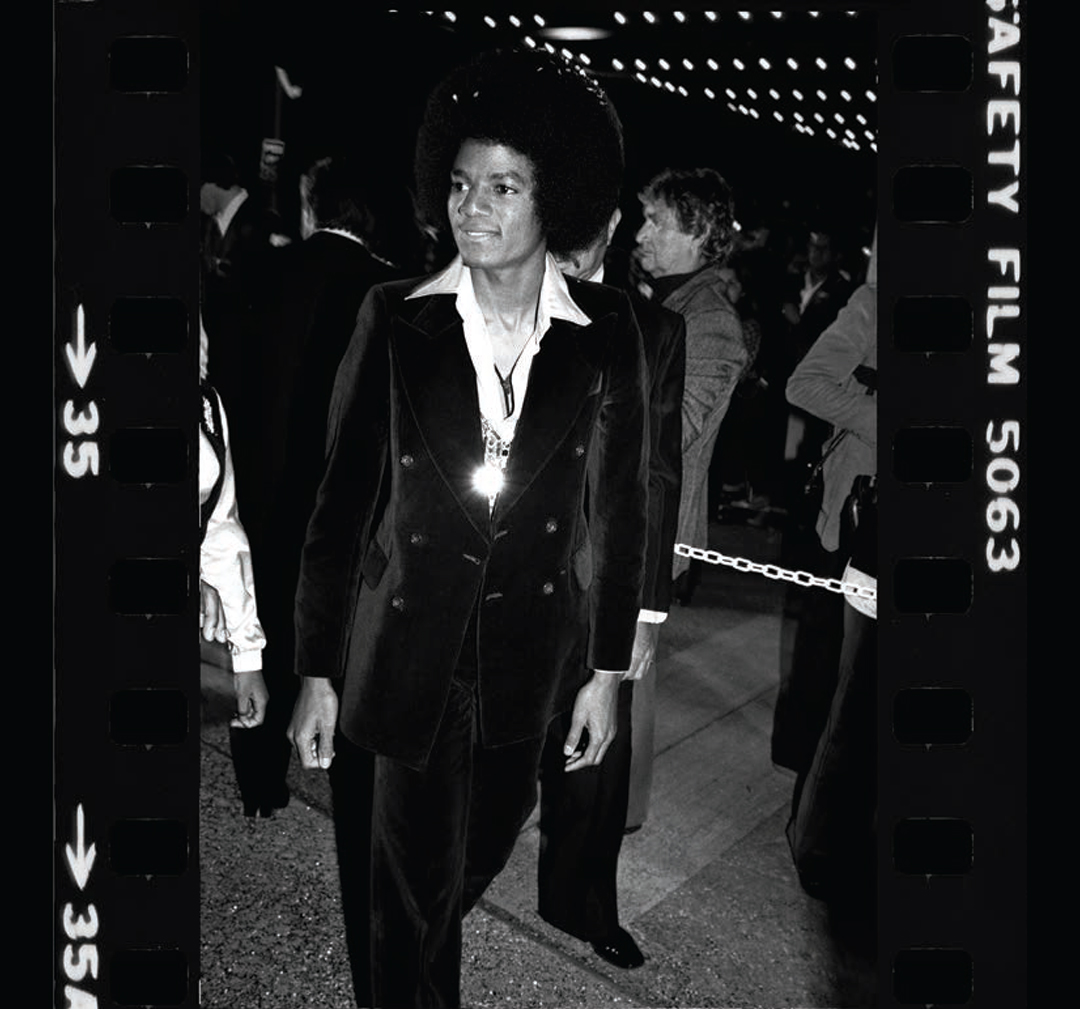
Even before becoming a fixture on the Hollywood scene in the 1970s, Frank was already taking photographs in the ’60s, capturing everything from the natural beauty of Joshua Tree to the growing music scene in Los Angeles’ Laurel Canyon, where he was living at the time.
“I was doing it as a hobby. My father said you can never make any money as a photographer. He was wrong,” says Frank, who one year drove Jerry Garcia to the Monterey Pop Festival. “My brother worked for a real estate company in San Francisco, and he was always hiring hippies.”
Frank went on to serve as the official photographer for The Hollywood Reporter, the Beverly Hills Hotel, and the Rodeo Drive Association. He was such a fixture in Hollywood he is even pictured with his camera bag in a postcard of the famed Chateau Marmont on Sunset Boulevard.
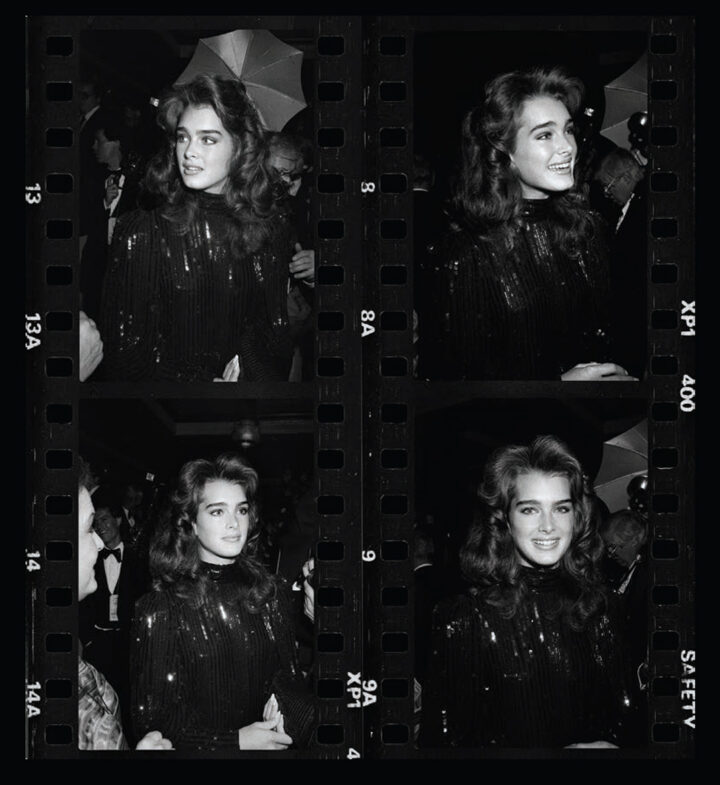
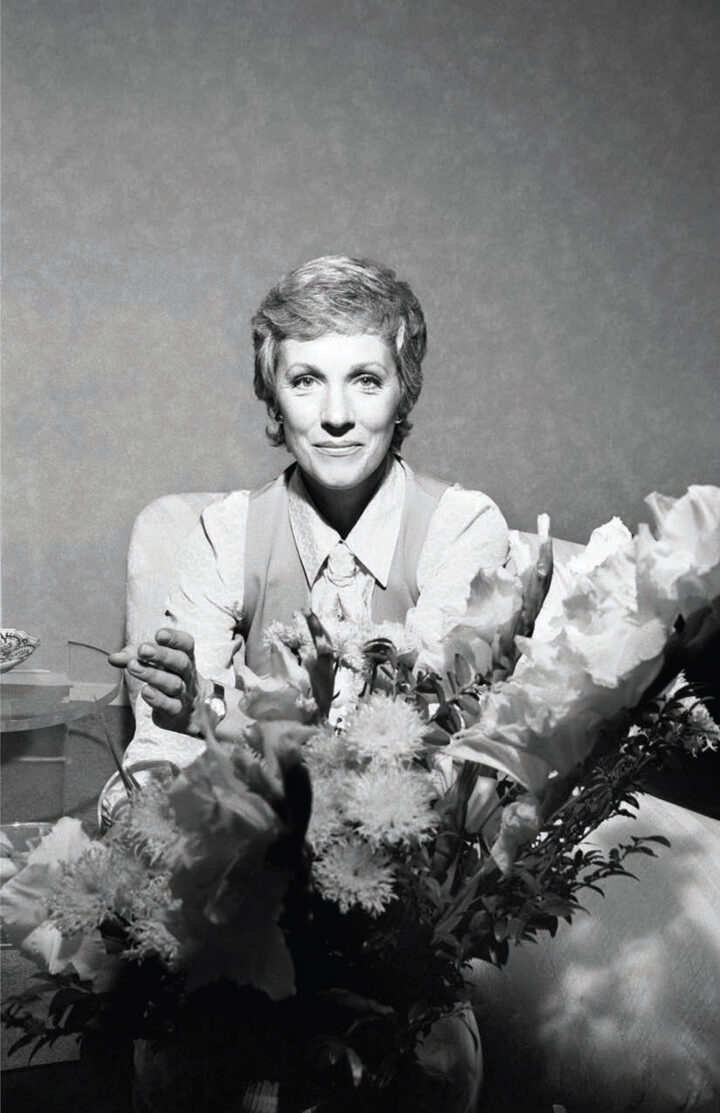
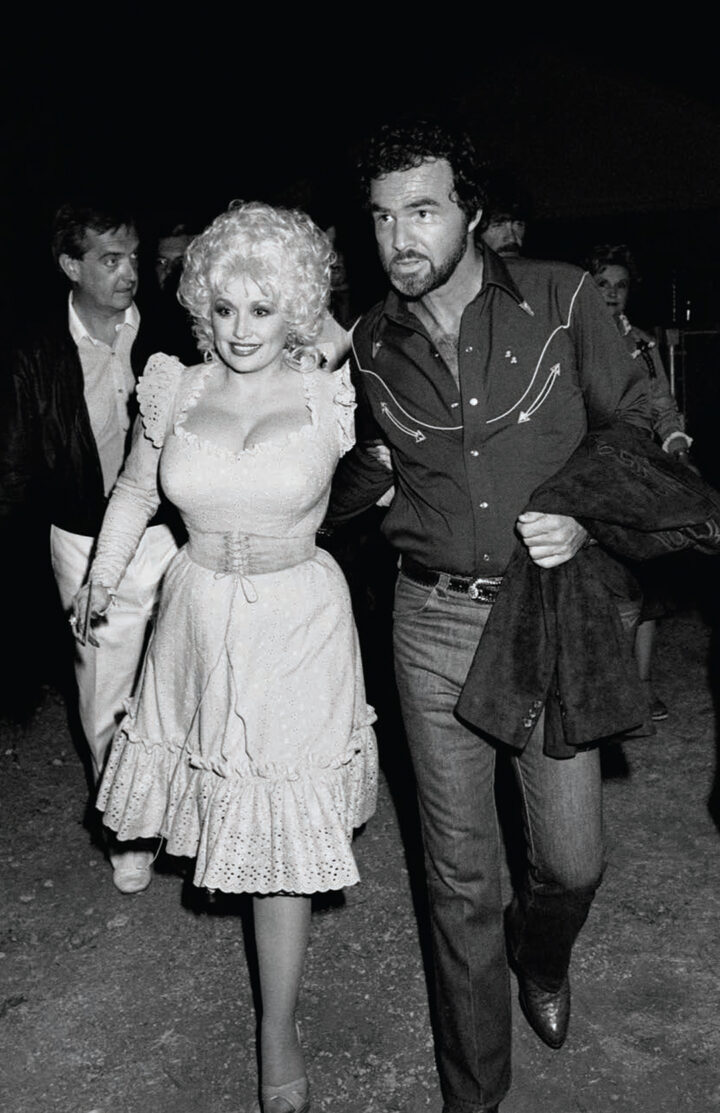
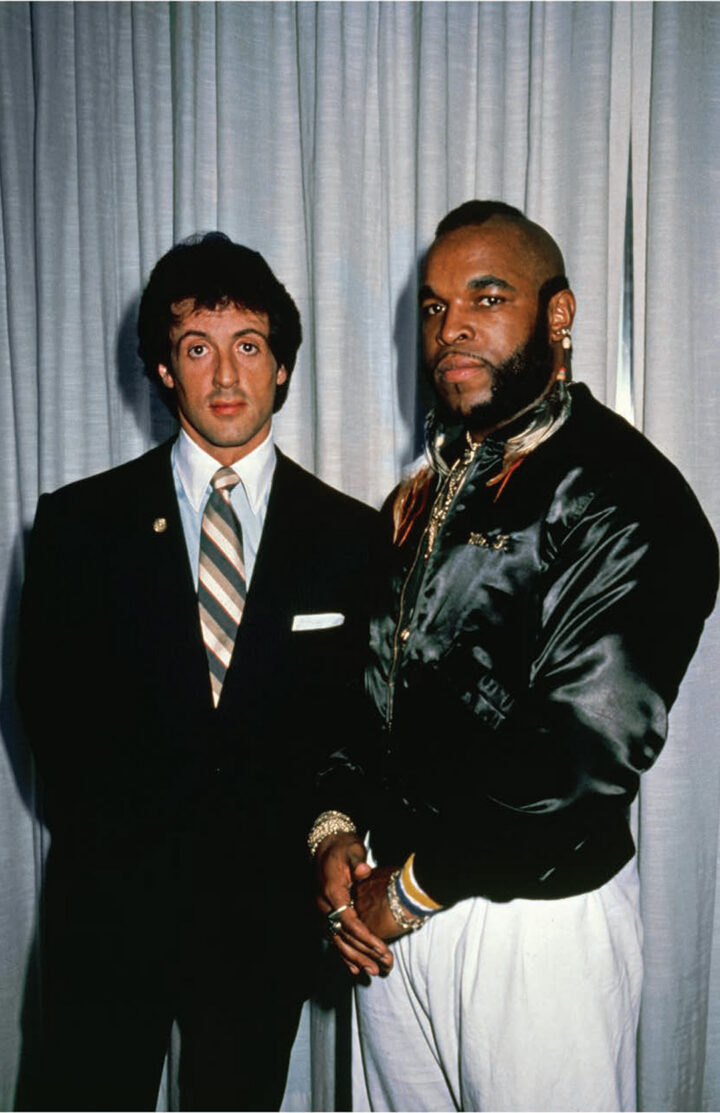
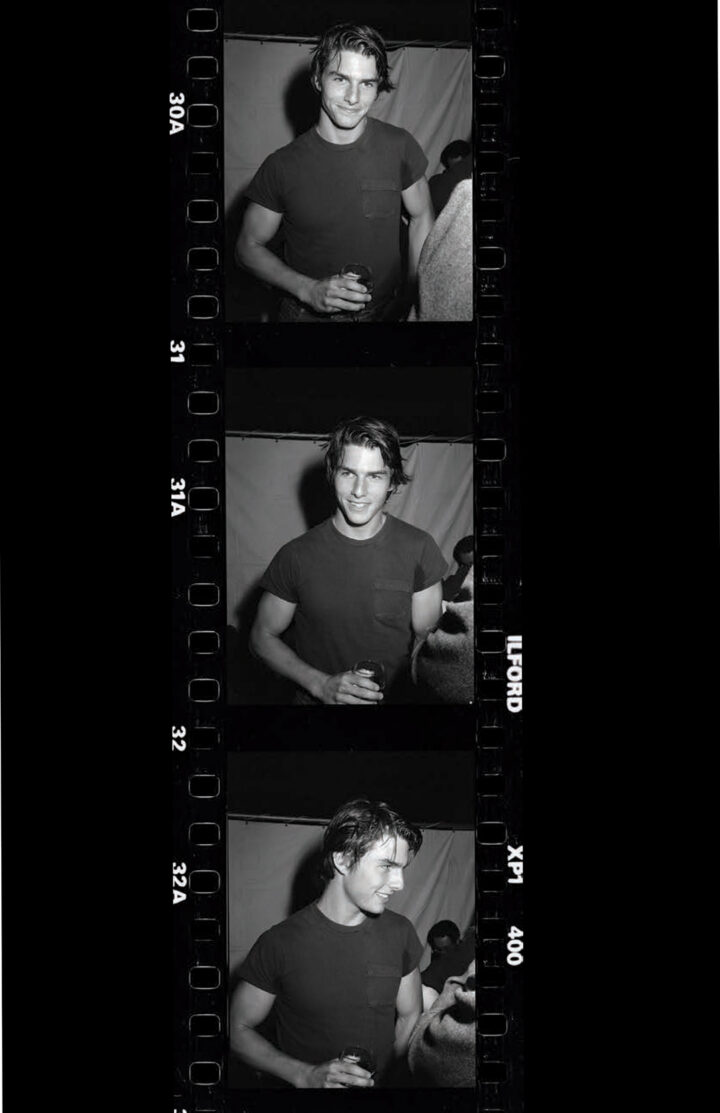
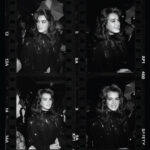
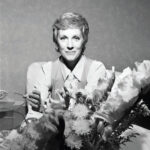

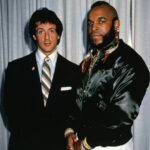
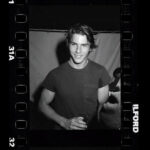
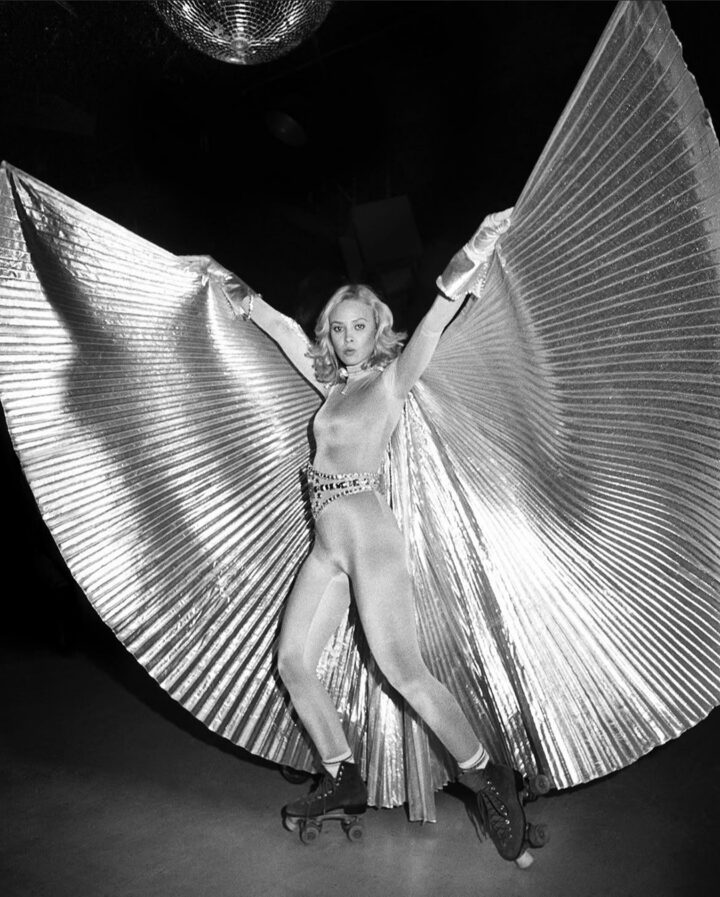
Frank was present in 1979 when Art Linkletter’s La Cienega Lanes bowling alley in West Hollywood was transformed into a roller disco palace — a destination comparable to Studio 54 before it closed three years later due to noise complaints.
“I made $200 a night, photographing from midnight until sunrise,” Frank says of the invitation-only parties.
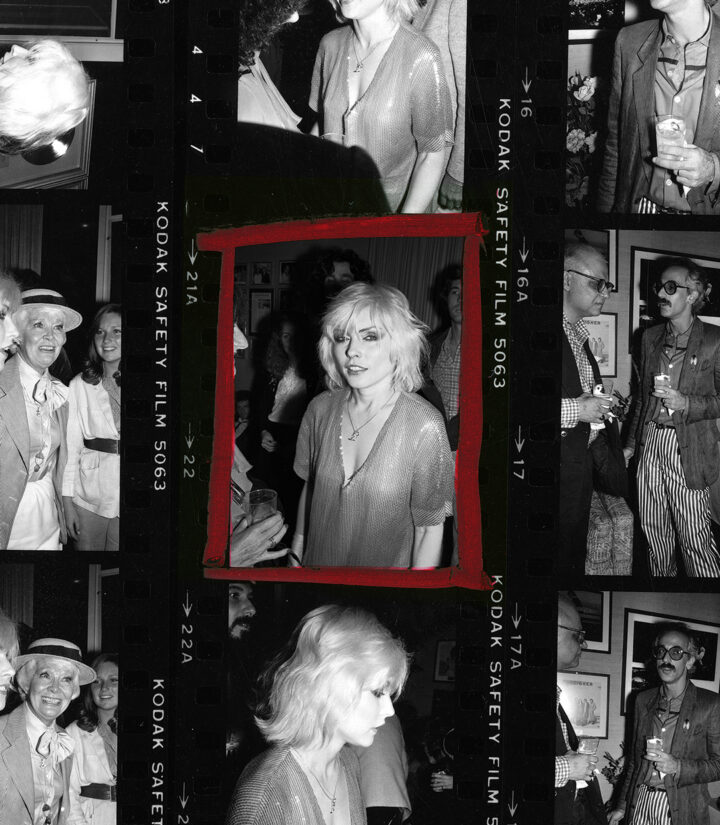

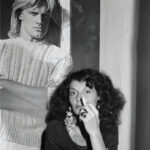
Altogether, Frank’s archive includes more than 150,000 images, which he bequeathed to his daughter Nicole, a fashion designer who lives in Rancho Santa Fe.
That was four years ago, since which time Nicole has spent countless hours on her own and with a professional archival company working to preserve the collection, cleaning and transferring the slides and negatives to digital format.
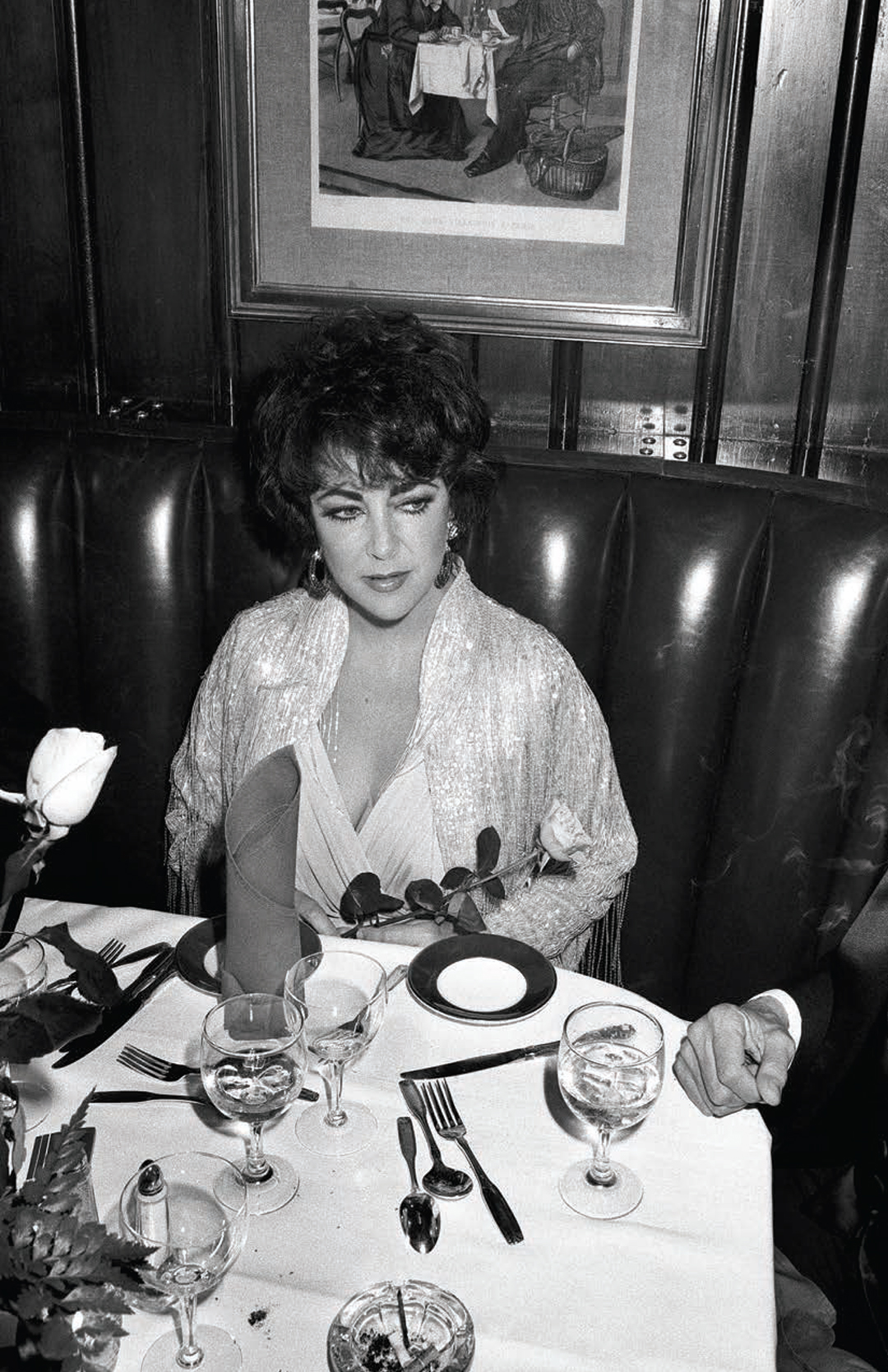
And then there is the cataloging; musicians, actors, artists, athletes, Olympians — Frank even photographed the Dalai Lama after he won the Nobel Prize for Peace in 1989.
Beyond his Hollywood clientele, Frank also shot for Hola!, a Madrid-based magazine similar to Life. “They sent me to India,” Frank recalls. “[The Dalai Lama] wore glasses and you’d think he was a regular guy. I asked him to take his glasses off for the picture.”
The list of people and events Frank captured is nearly endless, from birthday parties for Elton John to the Patty Hearst trial; from Andy Warhol, Joan Didion, and Frank Sinatra to a young Wolfgang Puck, the Jacksons, Natalie Wood, Arnold Schwarzenegger, Zsa Zsa Gabor, Alan Alda, Dustin Hoffman, Jack Nicholson, Robin Williams, Ali MacGraw, and many more.
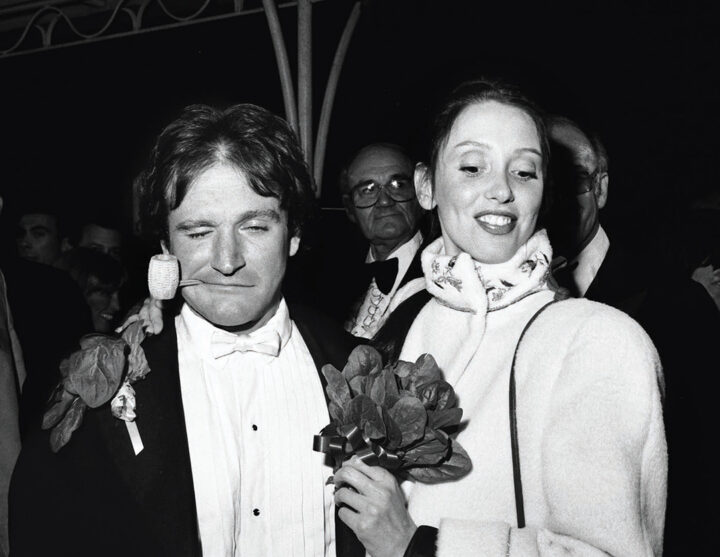
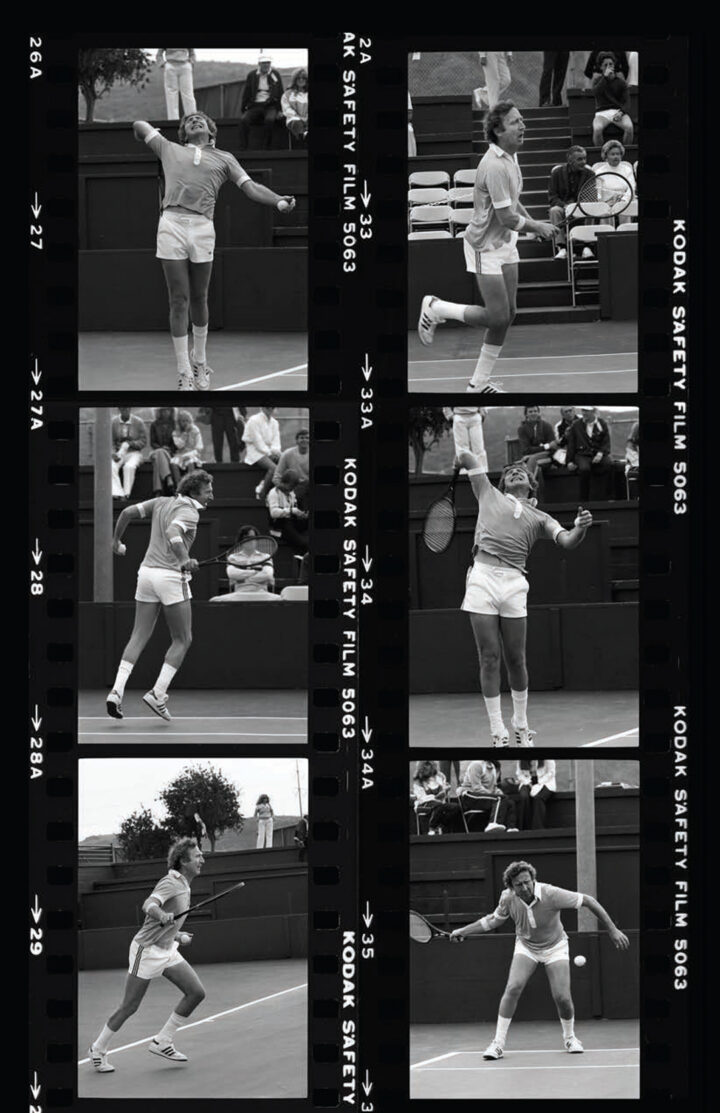
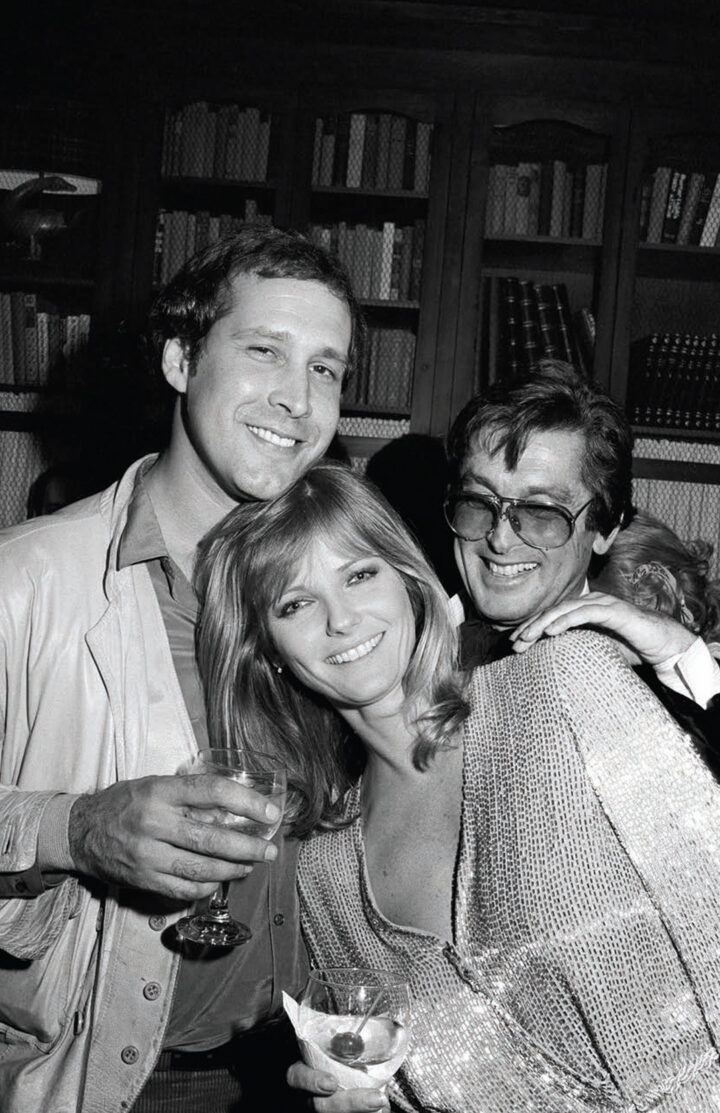
And just as remarkable, most of these images have not been seen in 40 years. “My father moved a lot, and the pictures ended up in boxes in a storeroom,” Nicole says. “At first it was a little overwhelming. There were just so many of them and every time I picked up a slide I’d see someone or something incredible.”
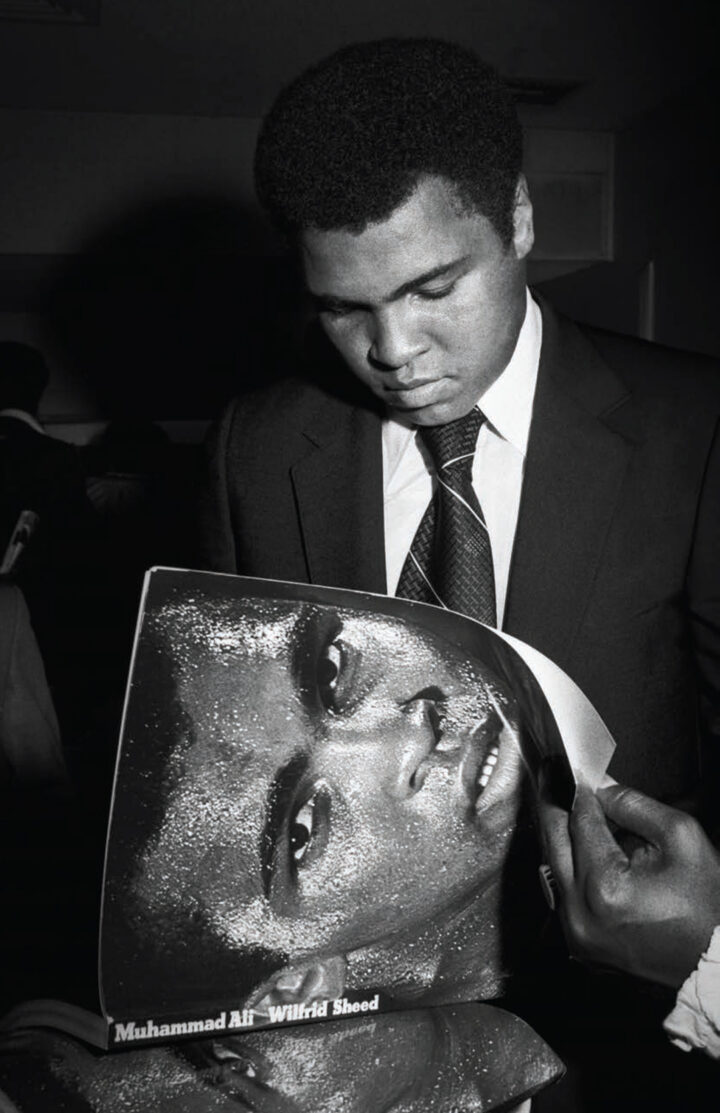
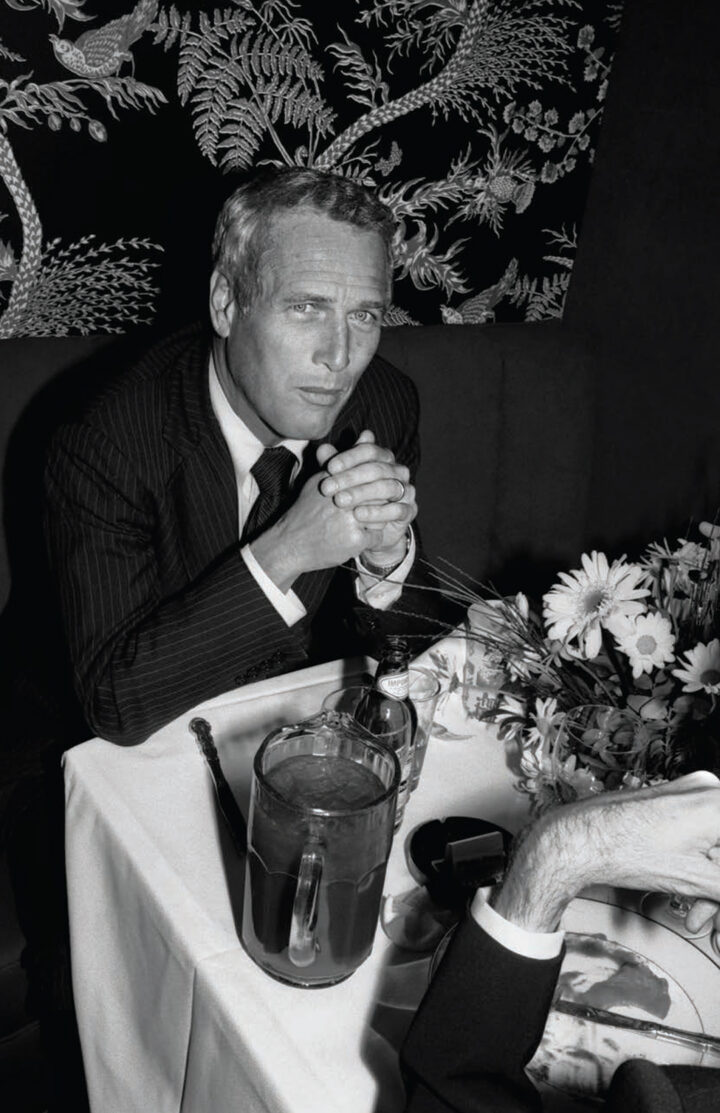
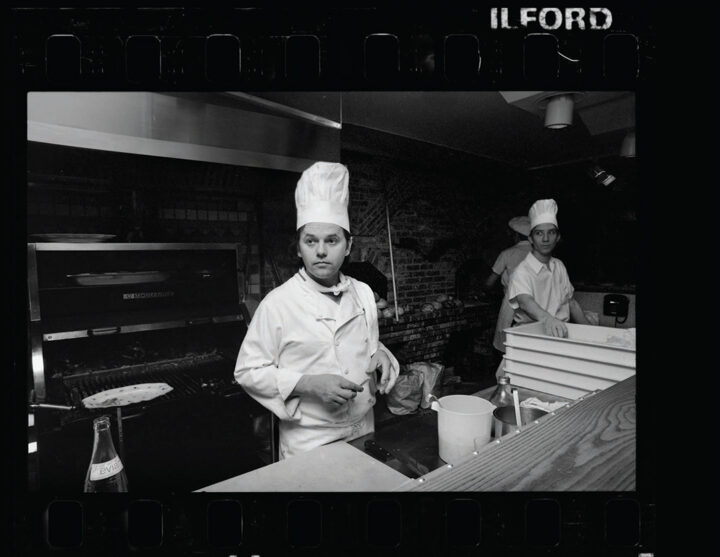
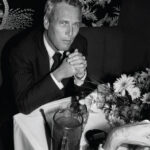
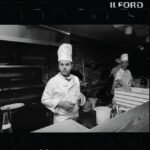
Years ago, Frank’s agent suggested publishing a book of his photographs, but Frank was not interested. “I wasn’t looking to be famous. I was there to have a good time. I think that’s why everyone liked me and invited me,” he remembers.
Now that the images have been digitized and organized, Nicole, director of the newly established Jim Frank Archive, is ready to begin sharing them, both with private collectors and museums. She is currently in discussions with several galleries as well as the Museum of Photographic Arts at The San Diego Museum of Art. nicole@nfrank.com

Comments